
According to recent research, nearly 40% of teen girls are iron deficient. And although the problem is obviously widespread, many young women aren’t getting screened regularly to detect and treat low iron.
Learn how to spot the signs that your daughter may not be getting enough iron — and how to boost her stores and improve her overall wellness.
Why are teen girls at risk of being iron deficient?
The teen years present a perfect storm of scenarios that can easily add up to iron deficiency. Most girls have just started getting their periods and are now losing blood monthly. They are also still growing, which increases the body’s need for iron. And to top it off, teenagers aren’t typically known for eating the healthiest, most well-balanced diets.
Together, these factors can leave teen girls severely lacking in this essential nutrient. Teens who have a very restricted diet — because of disordered eating or following a strict vegetarian or vegan diet — may be at higher risk.
How much iron do teen girls need?
Recommended iron intake for females age 14 to 18 who are having periods is 15 milligrams of iron daily. Girls who experience heavy bleeding during their periods may require more iron.
High activity levels can deplete iron stores — and increased muscle volume requires more iron to support it — so athletes may need up to 25 milligrams of iron every day.
Signs of iron deficiency
If your teen seems a little irritable, easily distracted and tired all the time, you may think she’s just being a teenager. But it’s also possible that those symptoms are signs that she’s lacking iron.
Common signs of an iron deficiency include:
- Cold hands and feet
- Difficulty concentrating
- Dizziness
- Fatigue
- Irritability
- Pale skin
- Racing heart rate
Testing for low iron in teen girls
The American Academy of Pediatrics recommends testing teen girls’ iron levels by age 14 or whenever they’ve had their period for a full year. If your doctor doesn’t suggest it, you can ask for the test. It’s not uncommon for girls to be iron deficient without having any pronounced symptoms.
A simple blood test checks ferritin levels. Ferritin is a measure of how much iron is stored in the blood. Iron deficiency is diagnosed when ferritin levels are too low.
Anemia is a more severe version of iron deficiency. It occurs when ferritin levels drop so low that there is no iron being stored. To compensate, the body decreases the number of red blood cells and hemoglobin — both of which are essential for carrying oxygen to muscles and organs throughout the body.
Boosting iron levels with supplements and iron-rich foods
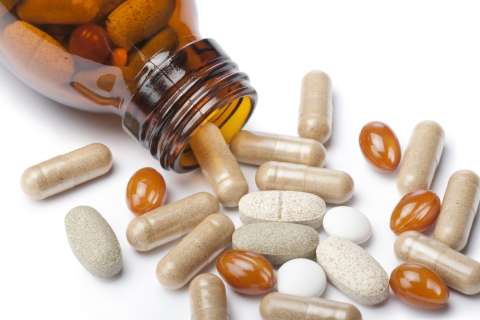
When iron stores are low, it can be difficult to improve them through diet alone. In that case, your teen’s doctor may recommend a daily iron supplement. It can take several months to increase iron levels back to a healthy baseline.
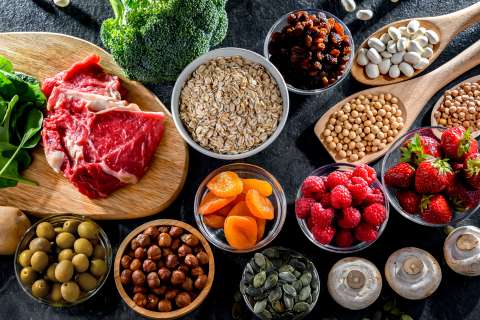
For long-term health, it’s also important to focus on finding ways to increase the amount of iron in the diet. Iron-rich foods include:
- Beans and legumes
- Beef, pork, lamb and poultry
- Clams, mussels, shrimp, scallops, salmon, tuna and other seafood
- Dark, leafy green vegetables, such as kale, collard greens, cabbage and broccoli
- Eggs
- Fortified breads, cereals and other foods with added iron
- Soybeans and tofu
Because vitamin C helps improve iron absorption, pairing iron-rich foods with those high in vitamin C can give iron levels a boost.
Helping your teen increase her iron levels can improve focus, boost athletic performance, help immune function and benefit her overall health.