All humans need enough iron to keep their bodies functioning at their best. But for girls and women, it’s even more important.
During the reproductive years, women require more iron than men thanks to their monthly periods. Losing blood every month can deplete your iron supply. Other life events — such as pregnancy — can also increase your iron needs.
Learn how much iron you need at different stages of life and how to easily incorporate more into your diet.
Why is iron so important?
Iron is an essential mineral. Your body can’t make it, so getting enough in your diet is critical.
Your body uses iron to make hemoglobin, a protein found in red blood cells. Red blood cells help carry oxygen, which is essential for healthy cells and other body functions, throughout the body.
We also store iron in a protein called ferritin. Ferritin holds iron and releases it when your body needs it to make more hemoglobin.
Maintaining optimal iron levels also helps your body in other ways. It plays a role in supporting your immune system as well as promoting healthy bones, muscles and organ function.
How much iron do women need at different stages of life?
The amount of iron you need varies depending on your age and stage of life. Iron deficiency in women is very common — up to a third don’t get enough iron to maintain sufficient levels in the blood.
Iron needs for teens
As soon as a girl gets her first period, her iron needs increase; the recommended daily allowance of iron for teenage girls is 15 milligrams.
Monthly blood loss during the menstrual cycle can leave girls low on iron or even suffering from iron-deficiency anemia. Those who experience heavy periods are at even higher risk.
Iron needs for pregnant women
During pregnancy, the need for iron skyrockets to 27 milligrams. Growing a baby requires a large amount of oxygen. During pregnancy, your blood volume increases to help provide that oxygen. But without extra iron, the body can’t make the hemoglobin it needs to transport the additional oxygen to the developing baby. Iron is also important for infant brain development.
After your baby is born, you continue to need some additional iron to rebuild your red blood cells and combat blood loss during delivery.
Iron needs for adult women
Non-pregnant women of reproductive age need 18 milligrams of iron a day to prevent iron deficiency. You need this amount daily until you’ve gone through menopause.
Iron needs for older women
Postmenopausal women no longer lose blood every month during their menstrual period. That means your iron needs drop to pre-teenage levels. The recommendation for women 50 and older is just 8 milligrams per day.
Should I take iron supplements?
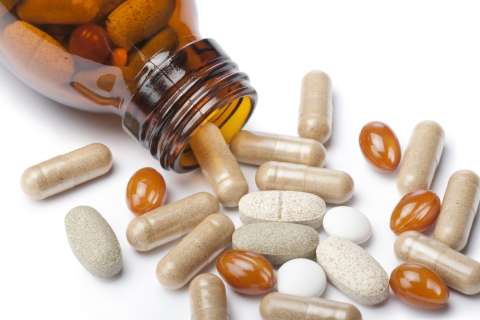
There are many over-the-counter prenatal multivitamins, multivitamins and other supplements that contain iron. But most women should take these only under the guidance of their health care provider.
Getting too much iron (as can happen if you take supplements unnecessarily) can lead to stomach upset and inflammation of the stomach lining. Even when taking iron as directed by a doctor, you may experience side effects such as constipation, heartburn and diarrhea.
Iron-rich foods to add to your diet
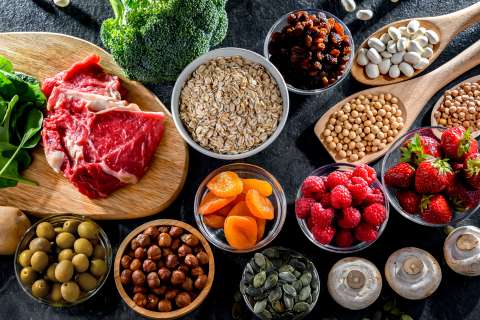
To ensure you’re getting the iron you need, focus on foods that provide a good source of the mineral. These include:
- Beans
- Beef
- Broccoli
- Chicken
- Dark, leafy greens
- Dates
- Eggs
- Tofu
- Tuna
When to see the doctor about your iron needs
If you experience heavy bleeding with your periods, are pregnant or plan to become pregnant, it’s a good idea to discuss your iron needs with your health care provider. They can test your iron and ferritin levels and determine if you need supplemental iron.
Anyone who’s experiencing possible signs of iron deficiency should also bring it to their doctor’s attention. These symptoms may include:
- Brain fog
- Brittle nails
- Cold hands and feet
- Dizziness
- Fatigue
- Hair loss
- Irregular heartbeat
Simple blood tests can help determine if your symptoms are the result of low iron or iron-deficiency anemia. Getting the proper diagnosis is important so that you can get the treatment you need to restore healthy iron levels.