The human body has healing powers, and a lot of that power exists in your blood. Experts now know that platelets — the blood cells that help form clots — contain a combination of proteins and growth factors that encourage healing and improve tissue function. When those platelets are separated from blood and concentrated into a plasma (platelet-rich plasma), it can be as much as 10 times more powerful than typical blood, according to the American Academy of Orthopaedic Surgeons.
Platelet-rich plasma (PRP) is believed to be beneficial in many areas of health care, though the full extent of those benefits is still being studied. The use of PRP continues to increase, especially within younger populations and for a growing number of indications.
Here's what you need to know about PRP:
How do platelet-rich plasma injections work?
PRP is a type of regenerative medicine — it encourages the growth and repair of damaged tissues, cells and organs. When injected into damaged tissues, PRP stimulates the body to grow healthy new cells and promote healing.
PRP therapy is a multistep process:
- A small amount of blood is drawn from your body.
- The blood is spun at high speed in a centrifuge to separate platelets and plasma from red blood cells.
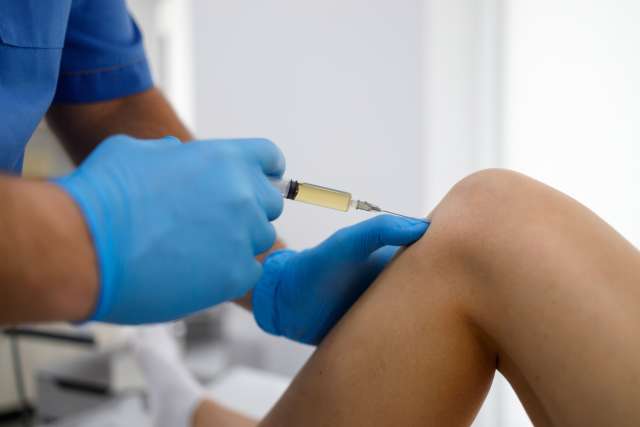
- The concentrated plasma is injected directly into the target area to promote healing and growth.
The entire process, from blood draw to injection, typically takes about an hour. Depending on why you are receiving PRP, you may need more than one session. Most people do not experience any severe adverse effects with PRP injections. The most commonly reported side effect is infection at the site of injection. PRP cannot be sterilized, so receiving injections from a reputable provider who follows strict safety protocols is critical.
What conditions can be treated with PRP injection?
Data and evidence are still lacking for many growing uses of PRP. The effectiveness, timing and duration of results can depend on:
- Area being treated
- Nature of your injury — acute or chronic
- Preparation of the PRP
- Your overall health
Because PRP is individual — based on your blood's platelet concentration — and preparation methods vary, it is not considered a drug. The Food and Drug Administration considers PRP to be "investigational."
According to a review of research published in the International Journal of Molecular Sciences, PRP injections are being used in several areas of medicine, including:
Dermatology
PRP injections are being used for aesthetic rejuvenation to reduce scarring, improve complexion and improve the signs of aging.
Medical professionals also use PRP for:
- Hair disorders and hair loss
- Healing after facial plastic surgery
- Inflammatory dermatosis caused by immune disorders including eczema, psoriasis and lupus
- Pigmentary disorders, such as melasma and vitiligo
Research focusing on PRP's effect on hair disorders is growing. A 2022 review reports that PRP increased hair density and thickness in people with androgenic alopecia. Another review finds PRP to be useful for female pattern hair loss, rare forms of alopecia and in combination with hair transplantation.
Gynecology and obstetrics
Use of PRP in the field of gynecology is relatively new. However, according to a review published in the International Journal of Molecular Sciences, some experts are having results with PRP for:
- Ovarian dysfunction caused by hormone imbalance
- Recovery from cesarean section
- Thickening the endometrium lining during in vitro fertilization
- Urogynecology disorders, such as vaginal wall prolapse and stress urinary incontinence
While some studies have shown promising results in OBGYN, there are no established standards for how concentrated the platelets need to be or how PRP should be administered.
Orthopedics
Research focused on PRP use in orthopedics and sports medicine is ongoing. But according to the American Academy of Orthopaedic Surgeons, research is positive and promising for several orthopedic uses, including:
- Acute ligament and muscle injuries, including knee sprains and pulled muscles
- Chronic tendon injuries, such as tennis elbow, Achilles tendonitis and inflammation of the knee's patellar tendon (jumper's knee)
- Osteoarthritis, with studies showing PRP's effectiveness lasting up to two years
- Post-surgery healing following an operation to repair a knee or shoulder
Wound care
Research shows that PRP is effective for tissue regeneration and wound healing. The high concentration of platelets aids in healing through:
- Encouraging growth of new skin cells over and around the wound
- Regulating inflammation and the body's immune response to injury and infection
- Stimulating the formation of new blood vessels, which deliver increased oxygen and nutrients to the wound
How much do PRP injections cost?
The cost of PRP therapy can vary depending on the area treated and the number of injections you need. According to AARP, a single treatment can range from $500 to $2,500, with some patients requiring additional treatments.
Currently, few commercial insurance plans cover PRP injections or even provide partial reimbursement. Contacting your insurance carrier is the best way to understand your specific coverage for PRP therapy.
The Centers for Medicare and Medicaid cover PRP for patients who have chronic and non-healing diabetic, pressure or venous wounds. But the patient must be enrolled in a clinical research study to qualify.