
If it seems like you are catching every cold that goes around — and have a harder time recovering — your age may be to blame. As we get older, our immune systems often don’t work quite as well as they used to.
And while some parts of this process may be inevitable, you can fight back. Learning how your immune system works and what helps boost immunity can help you stay healthier.
How the immune system works
The immune system is a complex collection of cells located throughout your body. Its job is to recognize and fight off germs and other invaders, such as cancer cells.
Even when the immune system is robust and working properly, you can still get sick. But a strong immune response to infections and other assaults helps you recover quickly and completely.
Key components of your immune system include:
- Antibodies, proteins that help fight off invading bacteria and other threats
- Cytokines, messenger cells that provide instructions to other immune cells and help reduce inflammation
- Macrophages, which develop from a type of white blood cell and destroy bacteria, cancer cells and other foreign cells
- B cells and T cells, two types of white blood cells called lymphocytes that work together to recognize and destroy invaders and remember them for the future
How your immune system changes with age
In most people, the immune system goes through some changes over time that can make it less effective. Your overall immunity may not be as robust as it once was, leaving you more vulnerable to bacteria, viruses and other illnesses.
Important components of the immune system decrease in number as we age, making it harder for the body to fight off illnesses and to recover when we do get sick.
An aging immune system can affect you in a variety of ways, including:
- Higher risk of cancer: A slower response by the macrophages in your immune system gives cancer cells more time to divide and replicate.
- Increased risk of autoimmune diseases: A less robust immune system is more likely to mistakenly attack its own cells instead of just foreign ones.
- Reduced effectiveness of vaccines: As you age, your body may not respond to vaccines as strongly as it once did. But you should still get immunized against infections such as flu, COVID and shingles. This is also why experts recommend vaccine boosters for older adults.
- Slower wound healing: Cuts, bruises and surgical incisions may heal more slowly because of the decline in your immune response.
Easy ways to boost immunity
While you may not be able to completely erase the effects aging can have on your immune system, you can fight back. A healthy lifestyle can go a long way toward boosting your immunity and helping your immune system operate at its best.
Everyday steps you can take to boost immunity include:
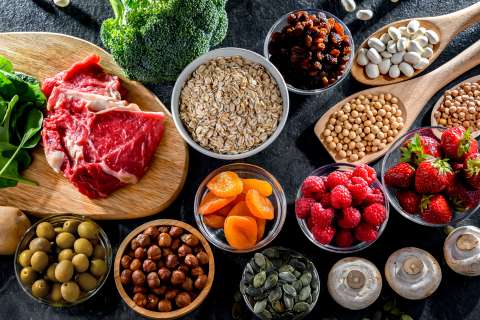
- Eating a healthy diet: Certain foods can help boost your immune system. These superfoods include berries, leafy greens, cruciferous vegetables (such as broccoli) and fermented foods (such as yogurt).
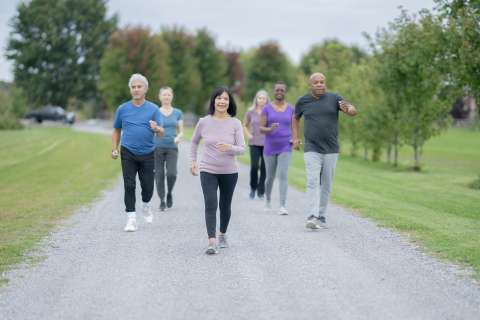
- Exercising regularly: Physical activity helps improve circulation of immune cells throughout your body, prepping it to fend off viruses and other attacks.
- Getting good sleep: Sleep is your body’s chance to restore and regenerate. Cytokines are released during sleep. Not enough sleep can mean fewer of these important immune-boosting cells circulating through your body.
- Managing stress: Living with chronic stress can decrease production of the B cells and T cells that are so important for fighting infection.
Don’t take your immune system for granted as you get older. You need it to be as strong as possible to help keep you healthy for years to come.