Scientists have long known that the immune system plays a key role in aging. As people age, they have weaker responses to vaccination, greater risks of infection and higher levels of inflammation. A new study led by UCLA Health researchers used results of a routine clinical lab test to measure not only immune responsiveness but also how it links directly to a patient’s long-term mortality.
Why it matters
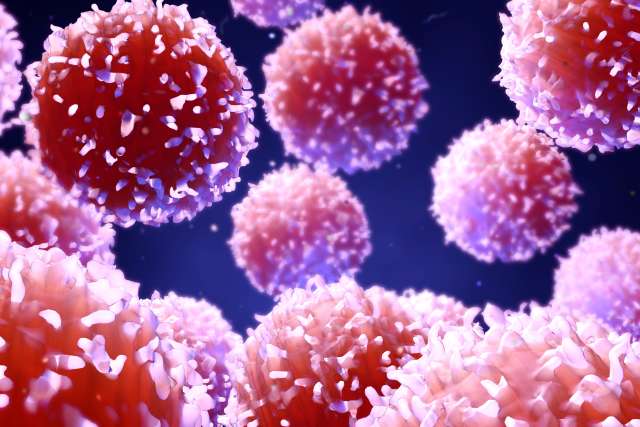
The results, published April 27 in GeroScience give researchers a tool to study immune function of larger populations of patients, using a lab test that physicians already use regularly: tuberculosis screening tests called interferon gamma release assays (IGRAs). The methods researchers used could indicate how well an immune system – especially the adaptive immune system, including T cells – can mount a response to an array of threats.
What the study did
Researchers analyzed the records (stripped of identifying information) of more than 16,000 people who had a negative or indeterminate IGRA test with the VA Greater Los Angeles Healthcare System. And they didn’t actually look at the patients’ TB results; instead, they analyzed results in the control data. The control mechanism’s main purpose is to ensure the TB test is valid by exposing the patient’s blood to phytohemagglutinin (PHA), which usually triggers a strong immune response and may reveal the patient’s baseline immune performance.
What they found
After excluding those who were sick with other illnesses, researchers then linked these control results to patients’ survival. They discovered that patients with low immune responses had a 10 percent higher mortality over five years. Even after accounting for age and chronic illnesses, this link remained.
What this means for patients
Broadly, the results give physicians a gauge for predicting mortality in patients – based on immune responses, which in the future could be a prognostic marker for common medical conditions. Another potential use is for would-be organ transplant patients. As these tests are routinely given to people being considered for transplants, they could help predict the outcome of the transplant and even help physicians fine-tune the immuno-suppression they administer. The same information could help cancer patients undergoing immunotherapy.
What’s next
Studies linking these test results to different health outcomes and in other types of patients is needed to turn this into a clinical tool. Studies are also needed to understand what the tests are revealing about the immune system itself. The stimulus used in the tests broadly affects T cells – differently than how they respond to a specific virus or bacterium – so what happens downstream is important to know. Researchers also would like to know the specific mechanisms that are causing mortality, aside from the correlation with age and frailty.
About the researchers
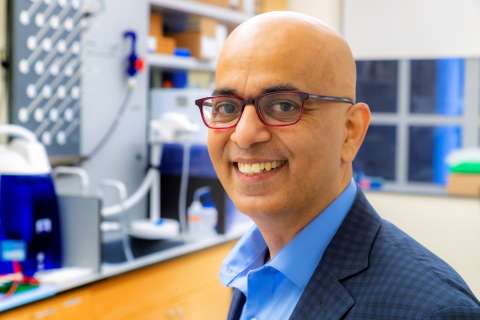
Dr. Benjamin Seligman is a physician-scientist at UCLA, an assistant professor in UCLA’s David Geffen School of Medicine and a staff physician at the VA Greater Los Angeles Healthcare System. Co-authors Dr. David A. Ganz, Matthew Bidwell Goetz and David O. Beenhouwer also are with the David Geffen School of Medicine and the VA.