
UCLA Vatche & Tamar Manoukian Division of Digestive Diseases


Established in 1953, the Vatche & Tamar Manoukian Division of Digestive Diseases has been a world leader in the diagnosis, treatment, and research aimed at combating debilitating and deadly disorders affecting the gastrointestinal tract. Its outstanding clinical, research, and training programs engage in creative and innovative approaches to today's gastrointestinal (GI) disorders. Rooted in quality patient care with an academic mindset, our philosophy is strengthened by the technological advances and unsurpassed resources available to us as part of the broader UCLA Health system, including the David Geffen School of Medicine at UCLA, Ronald Reagan UCLA Medical Center and UCLA Santa Monica Medical Center.
Beyond the Scope, Winter 2026
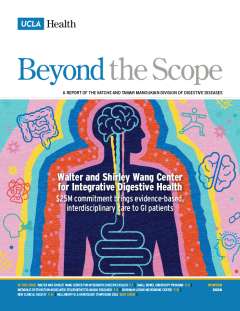
Beyond the Scope, the division's annual newsletter, provides an in‑depth look at the groundbreaking research led by our physician‑scientists and the clinical advances that continue to shape our evidence-based, interdisciplinary approach to patient care. Explore the latest updates in our Winter 2026 issue.
Accepting applications
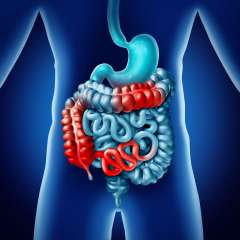
Applications are now open for the 2027-2028 Advanced Inflammatory Bowel Disease Fellowship, a one‑year, non‑ACGME program designed for gastroenterologists seeking specialized expertise in IBD.

For patients and visitors
In addition to being at the forefront of research and training, our physicians offer the highest-quality patient care. They see patients at Ronald Reagan UCLA Medical Center in Westwood, UCLA Santa Monica Medical Center, and at UCLA community clinics across Southern California.
Fellowship Program
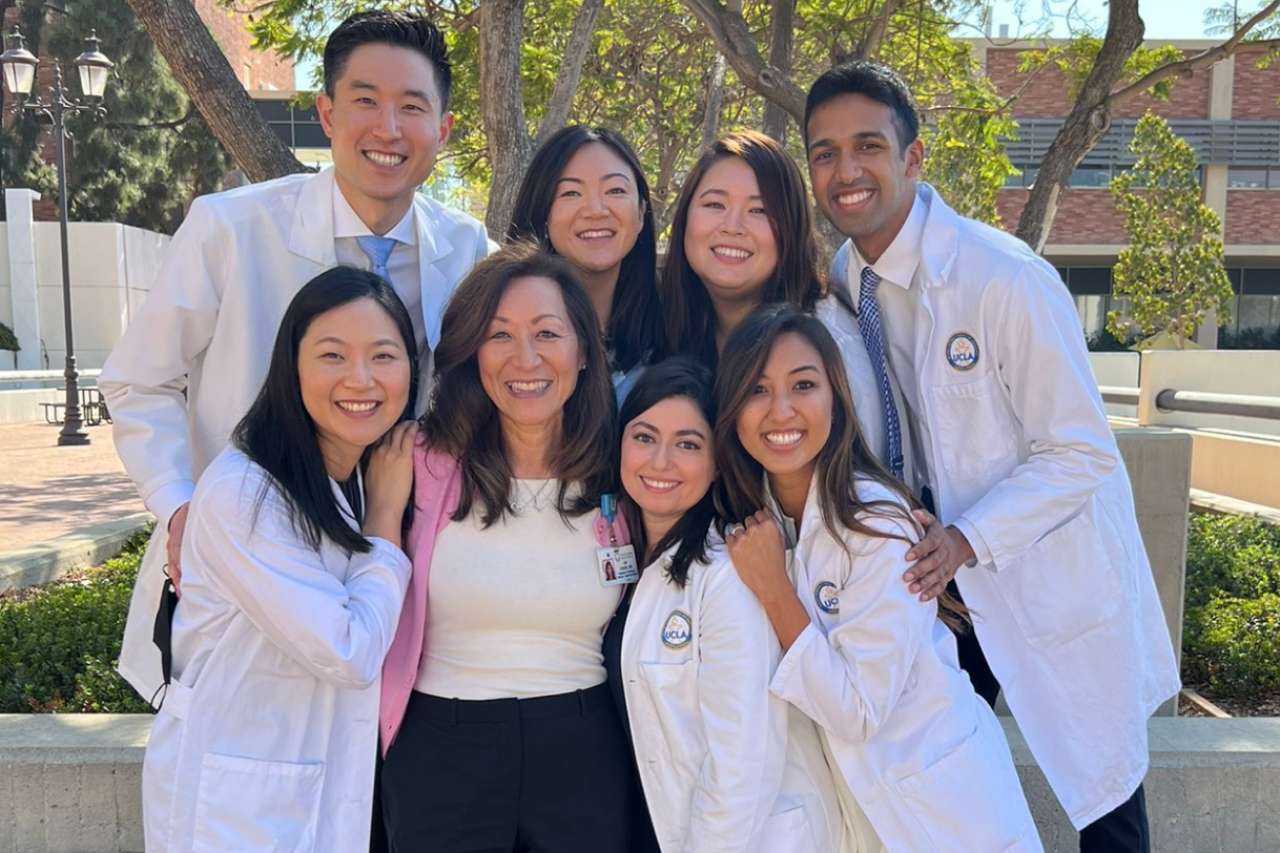
The UCLA GI Fellowship Program produces experts in every facet of clinical gastroenterology, hepatology, and related research. It is among the largest program of its kind in the nation, with 23 fellows receiving training at any time.
Research
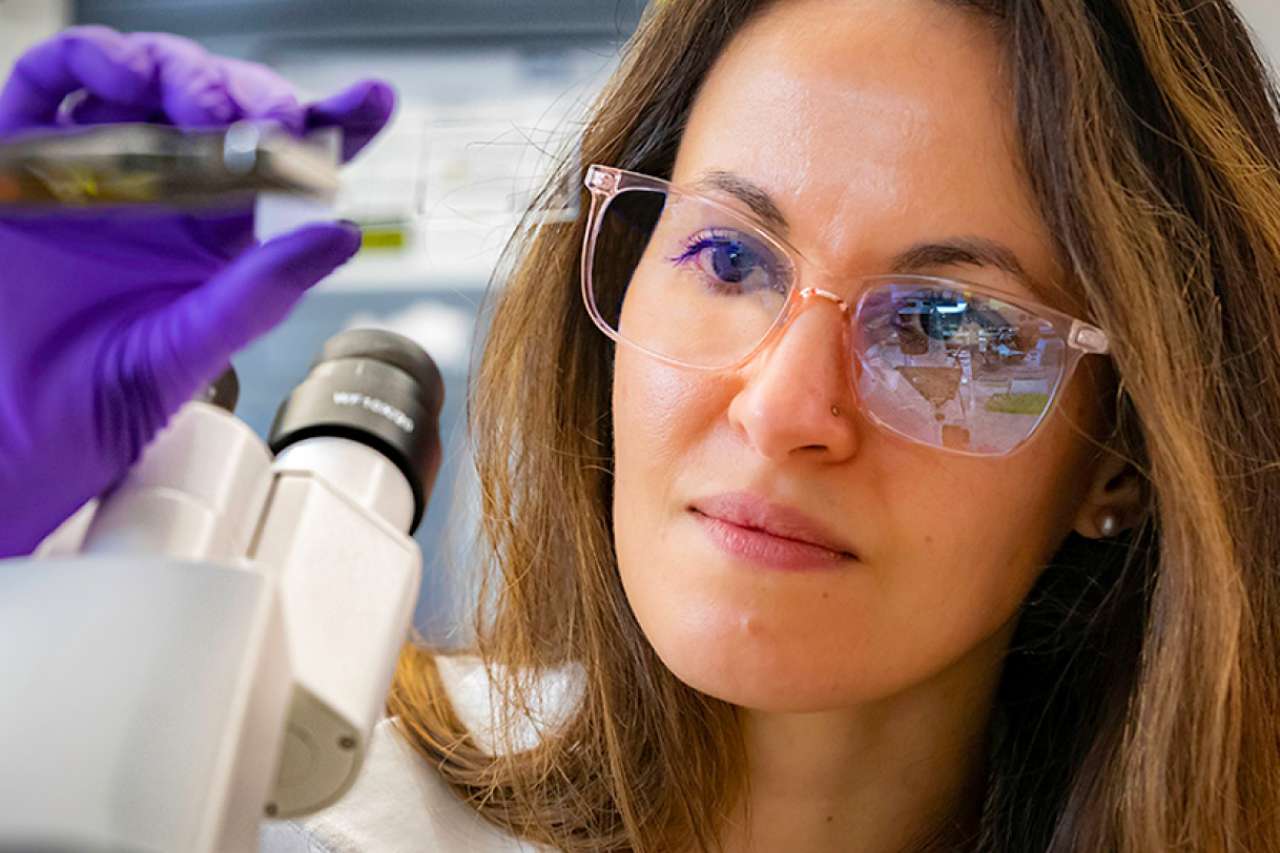
Research has been a mainstay of our division since it was established in 1953, and we have grown to become a world leader in contributing new digestive diseases-related knowledge through scientific studies. Our faculty publish extensively and play prominent roles in national meetings, advancing the state of the science and ushering in cutting-edge treatments that improve and save lives.
Meet our expert team
The Vatche & Tamar Manoukian Division of Digestive Diseases is home to more than 88 full-time faculty members, each with a specific area of expertise in basic science and/or clinical research and treatment.
Our locations
We have clinic locations in Beverly Hills, Encino, North Hollywood, Porter Ranch, Santa Clarita, Santa Monica, Simi Valley, Thousand Oaks, Torrance, West Hills and Westwood.
Make a gift
Thanks in part to the generosity of many individuals we continue to be a national and world leader in patient care, treatment, training, and research.
Latest news

Inside the endoscopic revolution in weight loss
Endoscopic bariatric therapies are transforming the treatment of obesity by offering effective, minimally invasive alternatives to medications and traditional surgery. These innovative procedures help patients achieve meaningful weight loss with a strong record of safety and efficacy. At UCLA Health, advanced endoscopic techniques such as endoscopic sleeve gastroplasty (ESG), transoral outlet reduction (TORe), and metabolic endoscopic therapies are expanding options for patients with obesity and for those experiencing weight regain after bariatric surgery.

Colorectal cancer and The Couric Effect: Awareness to Action and Advocacy
Dr. Eve Glazier, joined by Dr. Fola May, welcomes award-winning journalist Katie Couric to the UCLA Health Medically Speaking Podcast, for an ongoing conversation and call to action for Colorectal Cancer Awareness Month. They discuss what’s changed in the conversation around colorectal cancer, why screening matters more than ever, the symptoms people should never ignore, and how to choose among today’s screening options.

Quality of relationships may be just as important to physical health as traditional risk factors
Strong social relationships, particularly high-quality marriages, may help protect against obesity by influencing a complex communication system between the brain and gut, according to new research lead by Dr. Arpana Church.

UCLA receives $25M from Walter and Shirley Wang to establish new integrative digestive health center
The new center will use the gastrointestinal system as the key to treating many conditions in the human body that can cause symptoms like chronic body pain, insomnia and mood disorders. Patients will have access to a multidisciplinary team that provides the full continuum of care, from gastroenterology and integrative health to psychology and nutrition.
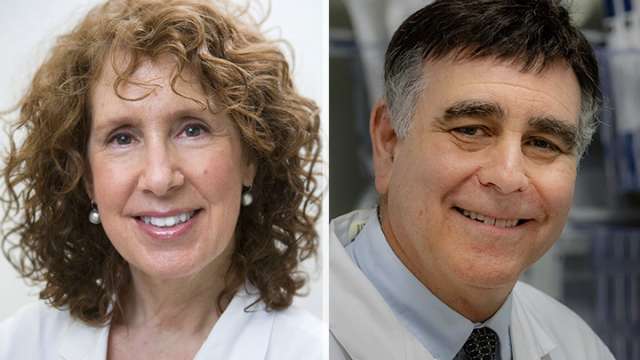
The Familial Mediterranean Fever clinic is the only one of its kind in the Western hemisphere
Familial Mediterranean Fever (FMF) is a rare genetic disorder that causes painful inflammation. It's most prevalent, due to the high carrier rate, in people of Armenian descent. This specialized clinic is led by Dr. Terri Getzug and Dr. Wayne Grody.

Kids with autism show altered gut microbiome-brain interactions
A collaborative study by scientists from UCLA and USC may have unlocked new information about autism spectrum disorder (ASD) and the gut microbiome. Changes in the relative amounts of such metabolites may interfere with the signaling between the gut and brain, influencing emotions and associated behaviors.
Blood tests show potential for colorectal cancer detection, but follow-up still falls short
A study led by Dr. Fola May revealed that although blood-based tests provide a more convenient option for colorectal cancer screening, only 49% of patients completed the crucial follow-up colonoscopy within six months.

Designer microbe shows promise for reducing mercury absorption from seafood
“We envision the possibility that people could take a probiotic to offset the risk of consuming too much methylmercury, especially when pregnant,” said UCLA associate professor and director of the UCLA Goodman-Luskin Microbiome Center Elaine Y. Hsiao, PhD, who is the senior author of a paper describing the research in the journal Cell Host & Microbe.