
Breast Surgery
We provide full-spectrum expert care for all types of breast conditions. Whether you need a breast biopsy or treatment for advanced cancer, our breast surgeons can help.

Why Choose UCLA Health for Breast Surgery
The UCLA Health breast surgery team provides comprehensive, advanced care for a full range of breast conditions. Whether you have a breast cancer diagnosis, a noncancerous (benign) breast condition or a high risk of breast cancer, we can help.
It’s important to understand that a referral to breast surgery doesn’t necessarily mean you’ll need an operation. Our priority is finding the best, most effective approach for you, whether that includes surgery or not. We only recommend a procedure when it’s the right choice for your specific needs. We may recommend breast surgery to treat a specific condition, such as breast cancer, reduce risk for breast cancer or assist with diagnosis.
Highlights of our program include:
Expert, compassionate team: Our team includes surgeons who focus exclusively on breast surgeries, working together and using advanced surgical techniques. These physicians coordinate closely with advanced practice providers (APPs), registered nurses, support staff and other specialist physicians to deliver full-spectrum, compassionate care.
Tailored approach: We recognize that your needs are unique and we tailor your care accordingly. We also explain your options fully, helping you make the best-informed decision and ensuring you feel comfortable with your treatment plan.
Research-driven treatment: UCLA Health is highly involved in clinical research to advance breast care. This research informs and guides our approach to treatment. It also means you have access to clinical trials and state-of-the-art technology.
Expertise in common and rare diagnoses: We have the expertise to manage the full spectrum of breast conditions. Our surgeons are skilled and experienced in treating rare and more advanced diseases, such as male breast cancer, inflammatory breast cancer and phyllodes tumors.
Collaboration with specialists: When needed, our breast surgeons work with specialists in pathology, radiology, radiation oncology and medical oncology to help you get an accurate diagnosis and comprehensive treatment plan. We also collaborate with plastic surgery for breast reconstruction, genetics for genetic testing and risk assessment, and oncofertility for fertility preservation.
Team-based care: We are committed to working as a team to ensure you understand your care options to achieve the best possible outcomes. In several locations, newly diagnosed patients visit a breast surgeon, medical oncologist and radiation oncologist on the same day. We review your imaging and medical history to create an individualized, collaborative care plan. Rest assured you’ll leave your appointment with clear next steps.
Integrative support for patients with breast cancer: You have access to the Simms/Mann UCLA Center for Integrative Oncology to receive comprehensive, holistic support. Specialists in this center provide support groups, nutritional counseling, psychiatric care, spiritual resources and more to care for you in mind, body and spirit.
Our Areas of Care
Our breast surgeons care for people with any medical condition affecting their breasts. Our main areas of care include:
Noncancerous (benign) breast conditions
Sometimes, breast screenings reveal a mass or lesion that may not be cancerous. Or you may develop a breast-related symptom or concern. Our breast surgeons and advanced practice providers (APPs) help you understand what imaging shows, your breast cancer risk and whether you need surgery. We also help create a follow-up plan to monitor any changes over time.
High-risk assessments
We are here to help you understand your risk for breast cancer. If you are at a high risk of breast cancer, you can have regular screenings with our team. APPs and breast surgeons explain what screenings they recommend and your management options, including risk-reducing mastectomies for patients who are at the highest risk.
Breast cancer
We understand that a breast cancer diagnosis can be scary. We’re here to support you and help you make the most informed care decisions.
Our breast surgeons are key members of the breast cancer treatment team. Breast surgery is an important part of treating cancer. We use a team-based approach, partnering with medical oncologists, radiation oncologists, pathologists, genetic counselors and oncofertility specialists.
Conditions Treated With Breast Surgery
We provide expert care for an entire array of noncancerous and cancerous breast conditions, including:
- Breast cancer: Cancerous cells develop in the breast. We treat all types of breast cancer in males and females.
- Phyllodes tumor: This rare type of fibroepithelial tumor starts in the breast’s connective tissues.
- Atypical lesions: Atypical cells form in the breast ducts.
Our team also cares for people with noncancerous (benign) masses, such as:
- Fibroadenoma: This noncancerous, solid lump usually develops in women 35 and younger. It’s a type of fibroepithelial tumor.
- Fibroepithelial tumor: These growths start in epithelial tissue, the tissue that lines organs and internal cavities. These tumors are usually not cancerous.
We also treat patients with a high genetic risk of breast cancer. This includes people with an inherited change (mutation) in the BRCA gene among others.
Breast Surgeries We Offer
Our breast surgeons prioritize using the least invasive approaches possible. This means we can often evaluate, monitor and treat breast conditions without surgery. We only recommend surgery when we believe it’s the most effective approach for your specific needs.
Our surgeons are experts who specialize in multiple procedures, including:
Excisional breast biopsy
We remove a small piece of breast tissue for examination and testing under a microscope. This can help us clarify the diagnosis and determine whether a lesion is cancerous.
Breast-conserving surgery
Also known as a lumpectomy or partial mastectomy, this procedure removes a breast tumor and a small amount of surrounding normal breast tissue. Typically, we follow breast-conserving surgery with radiation to reduce the chance of cancer coming back (recurrence). This strategy is appropriate if you have early-stage cancer.
Your care may also include oncoplastic reconstruction. Reconstruction rearranges remaining breast tissue to improve aesthetic outcomes.
Mastectomy
Your surgeon removes the breast tissue. A mastectomy can treat breast cancer, or it may reduce risk if you have a high genetic risk of breast cancer.
Types of mastectomies include:
- Nipple-sparing mastectomy: Your surgeon removes breast tissue but preserves your skin, nipple and areola. We often combine this approach with reconstruction for a more natural-looking result.
- Skin-sparing mastectomy: Your surgeon removes breast tissue, as well as your nipple and areola, while preserving most of your skin. We often combine this approach with reconstruction for a more natural-looking result.
- Total mastectomy with flat aesthetic closure: Your surgeon removes the breast tissue, nipple, areola and central breast skin, leaving the chest wall flat. You may wear a breast prosthesis or decide to have breast reconstruction in the future.
Lymph node surgery
Types of lymph node surgery include:
- Sentinel lymph node biopsy: We remove and evaluate the first lymph nodes where cancer is most likely to spread from the breast. This helps us determine whether cancer has spread and what other treatments you may need.
- Targeted axillary lymph node dissection: This procedure includes a sentinel lymph node biopsy. We also remove the lymph node that shows cancer.
- Axillary lymph node dissection: This procedure removes lymph nodes in the armpit (axillary nodes) where cancer has spread. It may be part of cancer treatment.
Collaborative breast reconstruction
Our breast surgeons work closely with a team of skilled plastic and reconstructive surgeons to provide all types of breast reconstruction. This includes breast implants or using your own tissue (flap reconstruction) to rebuild and reshape the breast after breast surgery (mastectomy).
Find Your Care
Our breast surgeons provide a comprehensive range of services. Call 310-825-2144 for more information about breast surgery at UCLA Health.
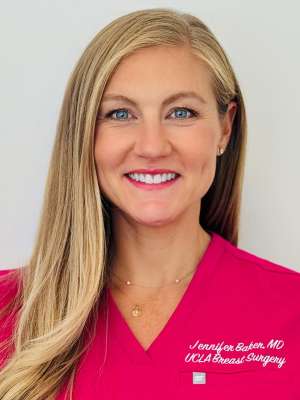
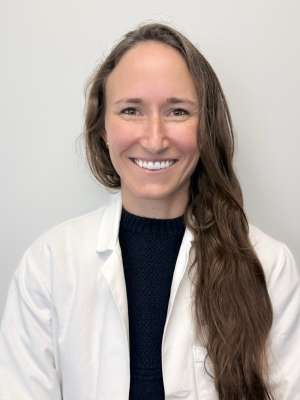
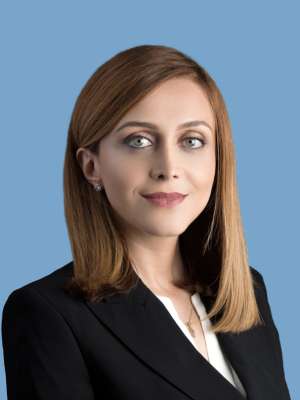
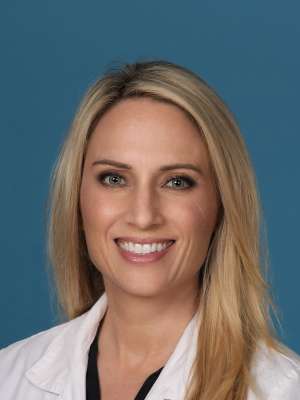
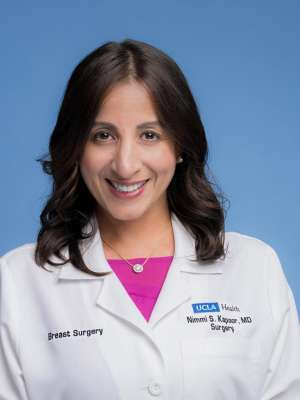
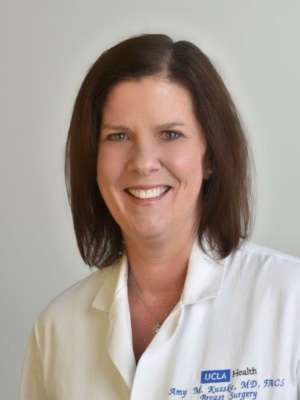
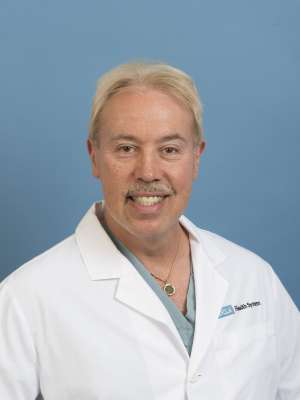
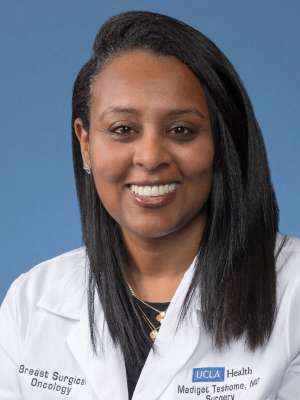
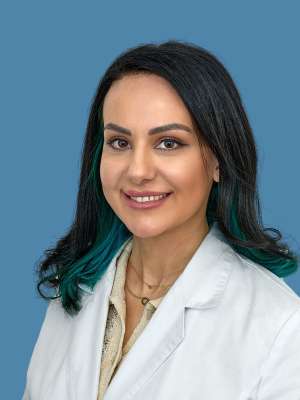
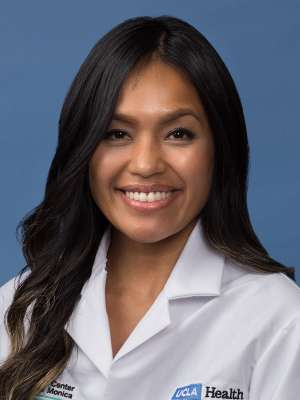
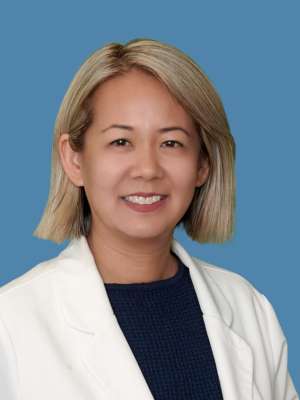
Advanced Practice Providers

Contact Us
Call 310-825-2144 to request an appointment with a breast surgeon at UCLA Health.