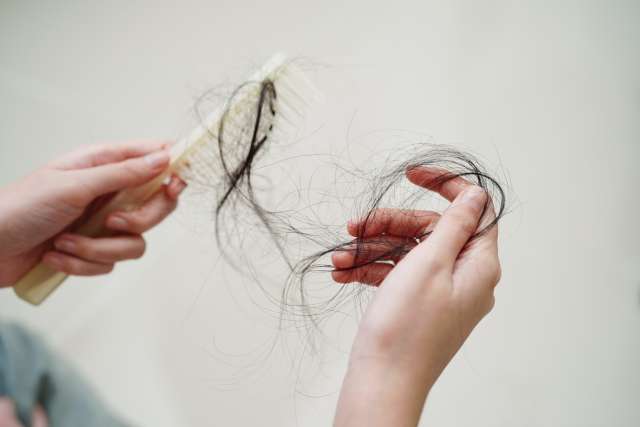
When it comes to thinning hair, many factors come into play. It’s not uncommon to experience hair loss because of genetics, certain medical conditions or hormonal changes. Women are especially prone to hair loss around major hormonal events such as pregnancy and menopause.
But women can also be their hair’s own worst enemy. Several common habits can take their toll on your hair. Break these bad hair habits, and you might start seeing fewer strands in your hairbrush and shower drain each morning.
Bad hair habit #1: Wearing tight hairstyles
Tight braids, cornrows, ponytails and hair extensions all put stress on the hair and scalp. These damaging hairstyles can lead to a condition called traction alopecia. This means that the constant tension and pulling causes hair loss.
Over time, extended use of tight hairstyles can lead to:
- Broken hairs around your temples
- Hair loss in the area that’s pulled tight
- Receding hairline
Wearing your hair in a tight style is fine occasionally. But it’s important to give your hair and scalp a break by wearing your hair in looser, more relaxed styles, too.
Bad hair habit #2: Not washing often enough
Washing less frequently has become very trendy of late. Some people claim that washing only once a week is healthier for your hair.
But skipping your shampoo too often can potentially be worse for the overall health of your hair and scalp. Hair grows out of follicles in your scalp. When those follicles are blocked, clogged or inflamed due to the buildup of oil, dirt and flaking skin, they don’t function as well.
Unhealthy hair follicles can’t do their job of growing and shedding hair on a regular schedule. Over time, that can lead to less new hair coming in and more strands falling out.
People with fine hair or hair that’s already thinning should aim to wash their hair at least every other day. People with drier, curlier or coarser hair may be able to wash less. But if you feel your scalp getting oily, itchy or flaky, then you’re waiting too long between shampoos.
Bad hair habit #3: Being too rough on wet hair
When your hair is wet, it’s at its most vulnerable. Water can change the structure of the hair shaft, making it more elastic and easier to break.
Brushing or combing wet hair — especially trying to get tangles out — can cause strands to break or fray. Be very gentle when working with wet hair and try not to tug on it.
Even sleeping on wet hair can lead to damage. Just the friction of your hair against the pillowcase can break those delicate wet strands.
If you have to go to bed with wet hair, try using a silk pillowcase. The slippery texture causes less friction, leading to less damage and hair loss.
Bad hair habit #4: Overusing heat styling tools
Washing your hair regularly is unlikely causing damage or hair loss. But what happens after you wash it may be.
Blow dryers, curling wands and straightening irons all involve blasting your strands with high amounts of heat. Doing this daily will damage the hair cuticle — the hair’s protective outer coating. This leads to hair that’s more likely to split or break.
Treating your hair more gently while styling can help protect your delicate strands. Towel dry hair (or let it air dry) and then use the blow dryer only for the last few minutes of drying and styling time.
When using curling or straightening tools, keep them on low to medium heat settings. Avoid holding them on your hair for more than a few seconds to minimize heat damage.
Bad hair habit #5: Crash dieting
Just like the rest of your body, your hair needs adequate overall calories and a range of proper nutrients to stay at its healthiest. Research has shown that a highly restrictive diet — one that’s too low in calories and nutrients — can affect hair growth and even lead to hair loss.
When you slash calories, you’re also likely to come up short on some nutrients that are critical for healthy hair. These include:
- Amino acids (the building blocks of protein in your food and in your hair)
- B12
- Essential fatty acids
- Iron
- Selenium
- Zinc
If you want your hair to stay healthy — with more growing in than falling out — you need to treat it well. Luckily, adjusting your haircare habits is often enough to help.