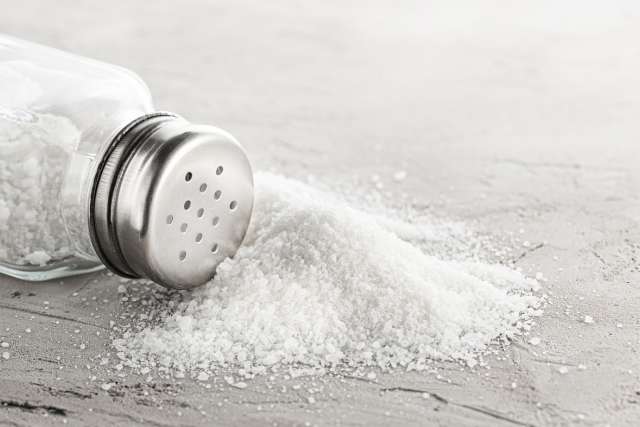
Salt (and sodium, a mineral found in salt) serve important roles in the diet. A sprinkle of salt can enhance the flavor of many foods. Sodium is often used as a preservative in packaged items.
Our bodies do need some sodium. The mineral is an electrolyte that helps keep nerves and muscles functioning properly and helps us maintain a healthy balance of fluids. That necessary amount is somewhere around 500 milligrams of sodium per day. But according to the Centers for Disease Control and Prevention, most Americans consume upward of 3,300 milligrams daily.
It’s not just about the salt shaker
When you think about cutting back on sodium, you probably think about hiding the salt shaker. But the salt you add to food during cooking or sprinkle on before you eat accounts for a very small percentage of your overall sodium intake.
By some estimates, more than 70% of added sodium is already present in the packaged, processed foods and restaurant meals you consume. And while it can’t hurt to skip the extra shake of salt, it’s more important to pay attention to where else you’re getting your sodium.
What’s a healthy amount of added sodium?
The American Heart Association recommends that most adults get no more than 2,300 milligrams of added sodium in their daily diets. But they push for an ideal intake closer to 1,500 milligrams. That’s less than half of what most of us consume.
Reducing sodium intake is especially important for those who have high blood pressure, heart failure or kidney disease. Older adults also need to watch their sodium because the body is less able to process and remove sodium as we age.
Do I need to cut down on salt if I don’t have high blood pressure?
The short answer is yes. Nearly everyone could benefit from reducing the amount of salt and sodium they consume on a regular basis.
Excess sodium in the diet is a leading contributor to high blood pressure. When you eat too much of it, your body retains water. That excess fluid puts pressure on blood vessels and arteries, which then increases your blood pressure.
High blood pressure increases your risk of heart disease and stroke. Reducing your sodium intake can have a direct impact on your blood pressure and heart health. If your blood pressure is currently at a healthy level, limiting sodium in your diet can help keep it that way.
Excess sodium isn’t just a problem for older adults. Children, teens and young adults should make heart-healthy changes to their diets now to help them stay healthy as they age.
Tips for cutting out sneaky sources of added sodium
The vast majority of sodium in our diets comes from packaged foods, ready-to-eat meals and fast food. So it’s important to start paying attention to just how much sodium those foods contain.
Chips, French fries, soy sauce and salty snacks are obvious sources. But when you start reading nutrition labels, you may be surprised to find out where else added sodium is lurking. Salad dressings, pasta sauce, bread, cheese, and canned soup, beans and vegetables all pack high levels of added sodium.
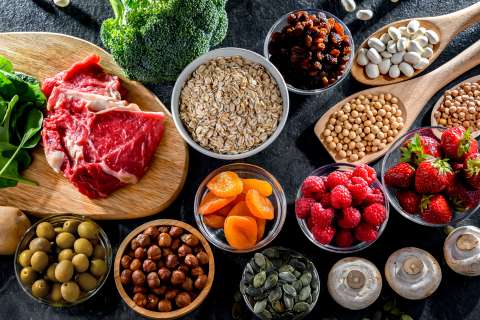
When shopping, read labels and look for products with lower amounts of added sodium. Better yet, replace highly processed foods with whole foods whenever possible. Fresh fruits and vegetables, whole grains and lean sources of protein provide the nutrition you need without unhealthy amounts of added sodium.