Americans love nothing more than a quick fix. Seven-minute workout? Sign us up! A pill that’ll help me drop pounds without dieting? We’re in.
So it’s no surprise that a powder advertising “all your greens in a single scoop” might sound very appealing. Why bother buying, chopping and prepping all those veggies for a big salad when you can just stir some powder into a glass of water and reap all the same benefits?
But as with most quick fixes, the reality doesn’t always live up to the hype. “Supplements such as greens powders aren’t a cure-all for missing nutrients in your diet,” warns Yasi Ansari, RDN, a senior dietitian at UCLA Health.
Learn what greens powders can and cannot do to boost your diet and your health.
What’s in those greens powders?
The ingredients in different versions of greens powders can vary widely from one brand to the next. Some are truly just pulverized green vegetables — such as kale, spinach, broccoli and wheatgrass.
Other powders blend greens with a multitude of other “superfoods” and supplements. These can include things such as:
- Adaptogens (that may help manage stress) such as rhodiola, ashwagandha and mushrooms
- Pre- and probiotics to support a healthy gut
- Vitamin and mineral complexes
In some cases, you could be getting many times more than the recommended daily intake of certain nutrients. One brand, for example, contains more than 1,000% of the recommended daily dose of vitamin B12.
“It’s important to consider any possible food and medication interactions when taking high doses of certain ingredients or micronutrients,” says Ansari. “Many of these compounds haven’t been studied extensively in powdered form or in combination with dozens of other ingredients.”
Before using one of these powders, read the label carefully and consult with your doctor or a dietitian to make sure it’s safe for you. This is especially important for anyone with existing medical conditions or those already taking medications or other supplements.
What are the possible benefits of greens powders?
If you believe the internet advertising and social media hype, there’s virtually nothing these greens powders can’t do for you. The reality is a bit less dramatic. That said, greens powders do have their place.
These supplements are packed with lots of important nutrients. And if you aren’t getting those nutrients regularly through diet alone, drinking these powders may give you a needed nutritional boost.
“People who find it challenging to eat enough fruits and vegetables, or who have limited access to fresh produce may benefit from supplementing their diet with greens powders,” says Ansari. “But I always recommend using them only to supplement — not replace — real food.”
It’s important to note that these supplements don’t come cheap. A month’s supply of some brands can cost nearly $100. “For many, the money spent on supplements could be better spent on fresh or frozen produce, or on working with a registered dietitian to get personalized nutrition guidance,” suggests Ansari.
Can I just drink my veggies?
The short answer is you can, but don’t depend on that approach for all of your micronutrient needs. “Whole fruits and vegetables offer more than just isolated nutrients,” says Ansari. “They’re packed with fiber, which supports digestion, energy levels and helps keep you feeling full and satisfied.”
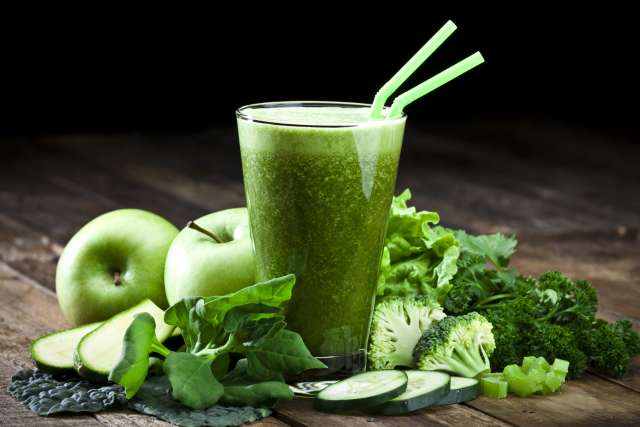
When those fruits and vegetables are dried and pulverized into a powder, you lose most of that fiber. Same goes for juicing. Green juice — even one freshly made with handfuls of greens and other veggies — may contain a lot of nutrients, but the fibrous pulp is lost.
If you want to drink some vegetables, a green smoothie is a better option. When you make a smoothie, the entire vegetable or fruit is blended into the drink, meaning you still get the fiber the whole food contains.
The bottom line is that greens powders are called supplements for a reason. “When you eat whole foods, you’re eating a variety of plant compounds that are more powerful together in a way that powders can’t replicate,” says Ansari. “Plus, no matter how many nutrients a powder packs, you’re still missing the variety, texture, taste and satisfaction that come from eating real food.” If you’re worried you’re not getting enough nutrients, work with a registered dietitian nutritionist to assess when or if a greens powder might help fill in the gaps in your diet.