If you have thinning hair or want stronger nails, you've likely heard of biotin supplements. Advertisers and influencers claim that supplementing with biotin — the common name for vitamin B7 — can offer cosmetic benefits.
Biotin supplements have been growing in popularity for decades. The proportion of people using them has increased by more than 30 times since 1999. But how do you know if biotin supplements are right for you? And how much evidence is there to back up the beauty claims?
Here's everything you need to know:
What is biotin?
Biotin is a water-soluble B vitamin found naturally in many foods. Its primary role is to help your body convert food into energy by breaking down fats, carbs and proteins. Biotin also plays a key role in gene regulation and cell signaling.
There is no recommended dietary allowance (RDA) for biotin — there is not enough data to suggest a daily amount healthy individuals need. Instead, there are recommended adequate intake (AI) levels. Getting enough biotin helps ensure your body has the well-rounded nutrition it needs to function well.
According to the National Institutes of Health, recommended daily AI levels for biotin include:
- Birth to 6 months: 5 micrograms (mcg)
- 7 to 12 months: 6 mcg
- 1 to 3 years: 8 mcg
- 4 to 8 years: 12 mcg
- 9 to 13 years: 20 mcg
- 14 to 18 years: 25 mcg
- 19 and older and pregnant people: 30 mcg
- Lactating people: 35 mcg
Are there proven benefits of biotin?
Some social media and marketing agencies claim that biotin helps with hair growth. But the only benefit backed by strong evidence is the treatment of biotin deficiency, which is rare in the United States.
Most people get all the biotin they need though a varied diet. However, common reasons someone might develop biotin deficiency include:
- Excessive alcohol consumption, which can block the absorption of biotin
- Excessive intake of raw eggs — found in mayonnaise, Caesar dressing or eggnog — which prevents absorption of biotin
- Gastrointestinal abnormalities that prevent absorption of biotin
- Long-term use of anti-seizure medications, which may interfere with the absorption and use of biotin
- Pregnancy and breastfeeding, with one-third of pregnant people developing mild biotin deficiency for unknown reasons
If you do develop a biotin deficiency, signs may include:
- Brittle nails
- Scaly rash around your eyes, nose and mouth
- Thinning hair
Should you take biotin supplements?
Unless you are deficient, there is no proven reason to take biotin supplements. Your primary care physician (PCP) may recommend taking a biotin supplement under their supervision if you are pregnant, breastfeeding or have a medical condition associated with biotin deficiency.
Before taking biotin, there is a concern to consider. In 2017, the US Food and Drug Administration (FDA) issued a warning that biotin supplements may interfere with laboratory blood tests. Biotin may specifically affect lab results associated with:
- Thyroid hormones
- Troponin, a biomarker used to diagnose heart attack
- Vitamin D
If you do take a biotin supplement, there is no established maximum dose of biotin that causes adverse side effects. However, you may be throwing your money away if you already get enough biotin from your diet. Since biotin is water-soluble, any excess leaves the body through urine.
How can you add more biotin to your diet?
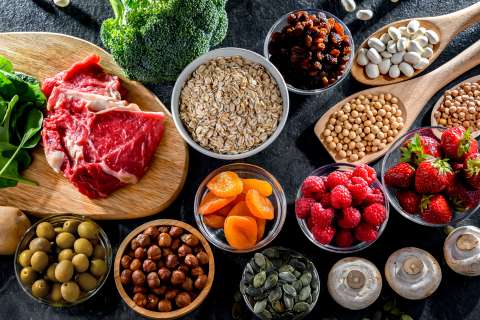
Making sure your diet contains biotin-rich foods can help ensure you are getting enough of it. Biotin is often — not always — bound to protein, so foods high in protein typically contain vitamin B7.
While many foods contain some biotin, good sources of vitamin B7 include:
- Beef liver: 30.8 mcg per 3-ounce serving
- Egg: 10 mcg for a whole, cooked egg
- Salmon: 5 mcg for 3 ounces canned in water
- Pork chop: 3.8 mcg per 3-ounce serving
- Sunflower seeds: 2.6 mcg per quarter-cup
- Sweet potato: 2.4 mcg for one-half cup cooked
If you have dietary concerns, your PCP can assess your dietary needs and habits to help you make changes. They can also refer you to a specialist or connect you with nutritional resources, if needed.