
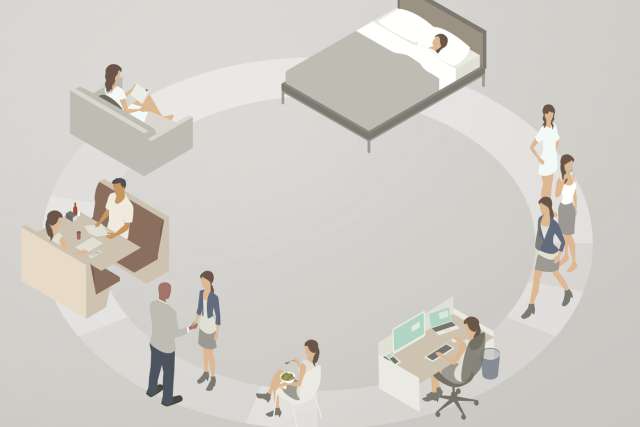
Following the same schedule day-in and day-out may seem like a boring way to live. But having a daily routine may be the thing your mental health has been missing.
Organizing your day with planned patterns of behavior provides a sense of security that can reduce mental fatigue, decrease stress and boost your emotional wellness. Research shows that people with structured routines have lower levels of anxiety and depression than people who live without routines.
Daily routines also play a role in shaping your lifestyle choices and behaviors. Including exercise, sleep and healthy eating in your daily schedule ensures those healthy practices are in place — a definite win for your mental and physical health.
Benefits of routines for mental health
Having a predictable rhythm to your day, every day, removes the burden of decision-making — as well as the pressure and guilt that often go with it. People with a structured daily routine may experience:
Setting routines plays a critical role in mental health therapy, such as cognitive behavioral therapy (CBT). A core component of CBT is behavioral activation. Typically used as a short-term treatment for depression, behavioral activation involves actively scheduling positive and rewarding activities to boost mood.
Small habits that make a big difference for your mental health
Every person's daily routine looks different, depending on priorities, schedule and needs. But if you are looking to create simple habits that can have a significant effect, try:
Be consistent with your sleep
Your body's inner clock, or circadian rhythm, helps regulate mood and energy. Sticking to the same bedtime and wake time every day supports circadian rhythm and is the most critical part of a daily routine.
In a 2025 study, regular sleepers who were consistent with their bedtimes and wake times had 38% lower risk of depression and 33% lower risk of anxiety than irregular sleepers. Set sleep times also help you get the recommended amount of sleep, but it seems to be the consistent schedule that provides the benefit. Irregular sleepers in the study who got the recommended hours of sleep — just not at the same time every day — still faced elevated mental health risks.
Move every day — even just a little
It's widely known that regular physical activity is linked to better mental health. A study of 1.2 million United States adults suggests that people who exercise report 1.5 fewer days of poor mental health a month compared to people who do not exercise.
Any aerobic activity, such as walking, running or swimming, can provide a mental health boost, and you don't have to move for long to see the benefits. According to the American Psychological Association (APA), walking for just 10 to 15 minutes daily may lower your risk of depression by 18%. Physical activity releases serotonin and dopamine — two feel-good chemicals in your brain. Every time you move your body, you also set yourself up for improved focus while reducing stress.
Create a morning routine
Having a morning routine within your daily routine can help avoid stress and decision fatigue first thing in the morning. It can also increase your energy, productivity and positivity.
Your morning routine is personal, and it may take some trial and error to figure out what works. But the National Alliance on Mental Illness (NAMI) says good activities for a morning routine include:
- Ease into the day by exposing yourself to sunlight, listening to music or lightly stretching
- Eat breakfast to fuel your body for the day ahead
- Read to stimulate your brain and fine-tune your focus — it's difficult to multitask when you read
- Move your body to begin your day feeling good
- Practice mindfulness through meditation or journaling
Schedule digital breaks
Screen time can have significant mental health impacts. While you may not feel the mental health effects immediately, experts say too much screen time can lead to depression, anxiety and other mood disorders. Screen time can also affect social opportunities and human interaction, causing social isolation and loneliness.
Scheduling digital breaks into your day can reduce your overall screen time, which may improve depression symptoms, stress, sleep quality and overall well-being. Research shows that adolescents who are on devices for two hours or more daily during weekdays double their risk for anxiety and are four times more likely to experience emotional and behavioral difficulties. Passive scrolling had the strongest negative influence.
Regulate your meals and hydration
Pencil mealtimes and water breaks into your daily routine. Instead of eating when you are hungry and drinking when you are thirsty, you'll be able to prevent dehydration and low blood sugar, which can affect mood and energy.
Scheduling your meals may also lead to choosing healthier options, since you aren't famished and grabbing the first thing you see. Getting the nutrients and hydration your body needs can help regulate your mood and mental health.
Tips for creating new habits and daily routines
New routines and habits can take time, but you may be more successful if you take these steps:
- Assess your current daily schedule to see how you are managing your time.
- Start by setting your sleep schedule and then gradually build your daily routine.
- Accept what you cannot change and factor in work and family obligations.
- Be specific and think about the how, where and when for each habit or activity you add to your routine.
- Have a backup plan for important activities so you won't become stressed or anxious when life happens and disrupts your routine.