For most women, their period is something they can count on happening roughly every 28 days. And even if your cycle doesn’t run exactly like clockwork, it’s still more regular than not.
Typically, this pattern continues until you hit perimenopause and eventually menopause in your 40s or early 50s. But for a small percentage of women, irregular periods — or no periods at all — become an issue much earlier.
What is primary ovarian insufficiency?
Primary ovarian insufficiency (POI), also called premature ovarian insufficiency, is a condition that affects about 1%-3% of people assigned female at birth (AFAB). It occurs when the ovaries stop functioning normally before age 40.
POI isn’t the same as premature menopause. Menopause happens when the ovaries completely stop producing and releasing eggs. Women with primary ovarian insufficiency often still ovulate intermittently and still have a period or can get pregnant when they do.
Primary ovarian insufficiency used to be called premature ovarian failure. That name has fallen out of favor because it’s inaccurate. With POI, the ovaries have not failed (stopped working). They just aren’t working as they should.
What causes primary ovarian insufficiency?
Most of the time, doctors cannot identify a specific cause for primary ovarian insufficiency. But there are some factors that may increase your risk of the condition.
Possible causes include:
- Autoimmune diseases (including Addison’s disease and thyroid disease)
- Chemotherapy or radiation
- Exposure to environmental toxins (such as cigarette smoke, chemicals and pesticides)
- Family history of POI
- Genetic conditions (including Turner syndrome and Fragile X syndrome)
Symptoms of primary ovarian insufficiency
The symptom most women notice first is that their period is highly irregular — or a no-show more often than not.
That means your ovaries aren’t producing and releasing eggs on a regular basis. It also means that your levels of estrogen (the hormone produced by the ovaries) are lower than they should be.
Reduced estrogen and infrequent ovulation can make it difficult to get pregnant. Women with POI are often diagnosed after seeking treatment for infertility.
Low estrogen levels can put you at increased risk of other health conditions, including heart disease and osteoporosis. You may also experience symptoms related to perimenopause and menopause including:
- Hot flashes
- Loss of sex drive
- Irritability and mood swings
- Night sweats
- Trouble sleeping
- Vaginal dryness
How to treat primary ovarian insufficiency
There is no treatment that can cure or reverse POI. Hormone therapy (HT) is the most common treatment to help manage the symptoms and health risks associated with primary ovarian insufficiency.
Hormone therapy can reduce the symptoms caused by low estrogen levels, including bone loss and hot flashes. It likely won’t help you ovulate.
Women with POI who want to have a baby typically need to use fertility treatments, such as in vitro fertilization (IVF). Depending on your egg supply, you might need to consider using donor eggs with the IVF procedure for your best chance at pregnancy.
When to see the doctor about irregular periods
Anyone who is worried about irregular or missed periods should talk to their doctor. Your doctor can do some simple tests to help determine the cause and whether POI is to blame.
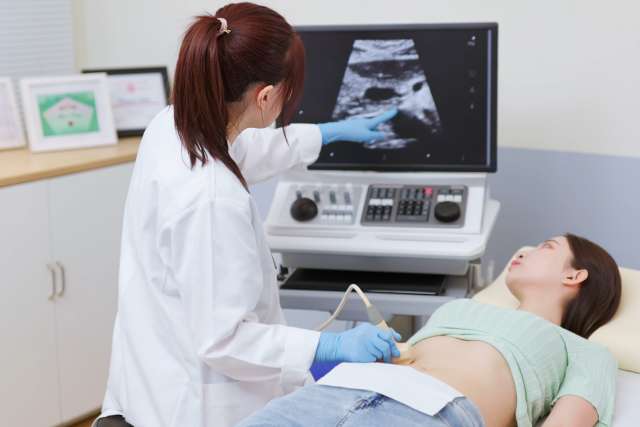
Blood tests can check the levels of estrogen and other hormones. This can provide information about how well your ovaries are working. Your doctor can also do an ultrasound to get a closer look at your ovaries and egg-producing follicles.
If you do have POI, your doctor can help you navigate the diagnosis. With the right medications and support, you’ll be able to manage symptoms and stay healthy.