
What is the vagus nerve?
The vagus nerve is the longest cranial nerve in the body. It runs from the brain through the neck, chest and down into the abdomen. It is part of the autonomic nervous system, which controls involuntary bodily functions — such as breathing, heart rate and digestion.
How does vagus nerve stimulation work?
Because the vagus nerve is involved in so many bodily functions, stimulating it can affect a variety of processes. A vagus nerve stimulator works on the brain similarly to how a pacemaker works on the heart.
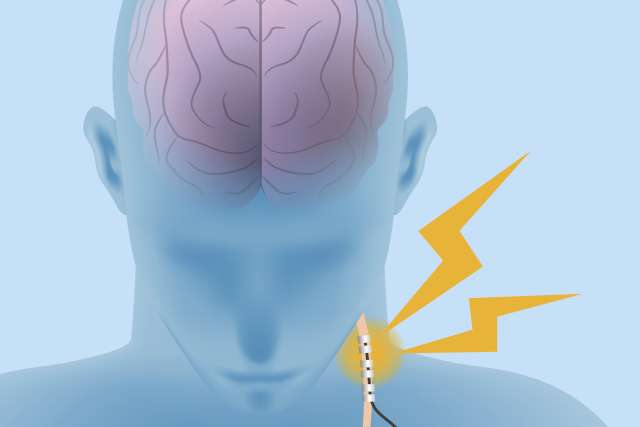
A VNS device is surgically implanted under the skin on the left side of the chest, with a wire that wraps around the vagus nerve. By sending gentle electric pulses along the vagus nerve to the brain, the stimulator can help regulate some brain activity. But the exact mechanisms by which VNS works for certain medical conditions aren’t completely understood.
There are also external vagus nerve stimulating devices. These deliver electrical impulses through the skin — typically in the neck or ear. Some external VNS devices are approved for medical use. Others are sold commercially.
What conditions can vagus nerve stimulation treat?
Implantable VNS devices are approved by the Food and Drug Administration (FDA) to treat a variety of conditions, including epilepsy, depression, stroke and certain types of headaches.
For people with epilepsy, VNS has been shown to help reduce the frequency and severity of seizures. Some of the ways VNS impacts seizures include:
- Increasing blood flow to the brain
- Increasing the levels of certain neurotransmitters in the brain that control seizures
- Regulating electrical patterns in the brain during seizures
For people with treatment-resistant depression, VNS can help by regulating levels of neurotransmitters that affect mood.
VNS can also help people who’ve suffered a stroke regain movement in their arms or hands. And there is an external VNS device that’s been approved to treat migraine and cluster headaches.
Since the vagus nerve controls so many areas of the body, research is ongoing to find other therapeutic uses for VNS. Promising possibilities include using it to treat irritable bowel syndrome, Alzheimer’s disease, long COVID and mental health conditions such as anxiety and PTSD.
How to harness the benefits of vagus nerve stimulation at home
More recently, the idea of vagus nerve stimulation has moved beyond the doctor’s office. Social media is filled with wellness influencers who promote simple, at-home methods for stimulating the vagus nerve. But these approaches are not a substitute for medical intervention for people with serious conditions. It’s also important to note that at-home methods don’t yet have solid scientific evidence to back up their effectiveness.
Activities that stimulate the vagus nerve may help slow your heart rate, lower blood pressure, reduce anxiety and improve digestion. Some ways to stimulate your vagus nerve include:
- Aerobic exercise
- Breathing exercises
- Cold plunge
- Humming
- Listening to music
- Meditation
These easy, at-home methods don’t have rigorous scientific research behind them, but most are relatively safe options. Before starting a new program of aerobic exercise, you should consult your doctor. And cold plunges are not safe for everyone (those with heart conditions should discuss the risks with their provider). All can impact your parasympathetic nervous system and help you feel a bit calmer in the moment.