
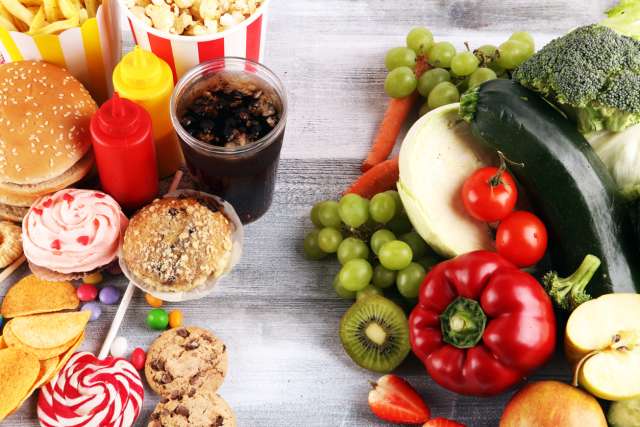
Every few years, a new nutritional villain emerges. And suddenly, headlines are urging you to avoid whatever it is (Fat! Seed oils! Carbs!). But the most recent category of demonized food may have some staying power.
Ultra-processed food (UPF) is an umbrella term for a wide range of items. Some — such as soda and candy — are undeniably unhealthy. But others fall into a bit of a nutritional gray area.
Sorting out what’s best and worst when it comes to highly processed foods requires a bit of detective work — and a lot of label reading.
What are ultra-processed foods?
Think of the foods you eat on a continuum — from whole foods in their natural form up to packaged, highly processed options. Those at the upper end of that spectrum, the ones most altered from their natural form, are the ultra-processed ones.
UPFs are found across all categories, including meat, dairy, cereals, breads and desserts. If you’re not sure whether a product qualifies as a UPF, turn the package around. The ingredients listing is your best clue. If the list is long and contains the names of numerous additives you can’t pronounce, you’re looking at a UPF.
Health risks of eating too many ultra-processed foods
Americans love ultra-processed foods. More than 50% of the food we eat falls into the ultra-processed category. And that’s no surprise. They’re tasty, easy to eat (and overeat) and are, in some cases, cheaper than healthier options.
A diet that’s high in UPFs has been linked to nearly every negative health outcome you can think of. Consuming more UPFs increases your risk of:
- Cancer
- Cognitive decline
- Diabetes
- Fatty liver disease
- Heart disease
- Mental health conditions (including anxiety and depression)
- Obesity
Are some ultra-processed foods healthier than others?
Because the category of ultra-processed foods is so large and diverse, it’s unlikely that every UPF is equally unhealthy. Common sense tells you that a candy bar and a can of soda are a less nutritious snack than a bowl of yogurt sprinkled with granola. And yet, both snacks consist of ultra-processed foods.
When trying to find healthier versions of UPFs, it’s again important to consult the ingredients listing and nutrition facts on the package. The shorter the list of ingredients, the better. The less added sugar, also better.
If you choose wisely, even a food considered a UPF can contain some important nutrients. Whole-grain breads and cereals provide fiber. Yogurt supplies calcium and possibly some gut-friendly probiotics. And even a ready-made frozen burrito might include some nutrient-rich beans and veggies.
The worst ultra-processed foods for your health
While some UPFs may be on the healthier side, the vast majority are not. And some have no redeeming nutritional qualities at all.
When researchers tried to tease out which UFPs in our diet were causing the most health harm, soda topped the list. Those liquid UPFs can contain hundreds of calories and more than 40 grams of sugar, while providing zero beneficial nutrients. Higher intake of soda is linked to higher risk of obesity, diabetes and heart disease.
The other category of UPFs that seems particularly dangerous for health is processed meats. This includes foods such as deli meats, hot dogs and bacon that typically contain high levels of sodium as well as nitrates. Decades of research have already called out processed meat for increasing risk of heart disease and some cancers.
Whether you’re eating “healthier” UPFs or the worst offenders, it’s wise to try to cut back overall. One study found that eliminating just 10% of the UPFs in your diet could reduce your risk of diabetes by 14%.
Focus instead on whole foods whenever possible — fresh fruits and vegetables, lean meats and fish, whole grains and beans. When you do reach for convenient, packaged foods, seek out those that are more minimally processed. These will have shorter ingredient lists, less added sugar and fewer additives.
It may be difficult to eliminate all UPFs from your daily diet. But even small improvements can have a big effect on your overall health.