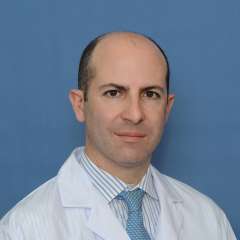
A new analysis of a phase 3 clinical trial found that the targeted drug daraxonrasib improved survival compared with standard chemotherapy across multiple groups of patients with advanced pancreatic cancer, including those with different RAS mutations and those without an identified RAS mutation.
The findings, presented at the European Society for Medical Oncology (ESMO) Congress by Dr. Zev Wainberg, professor of medicine and investigator at the UCLA Health Jonsson Comprehensive Cancer Center, build on earlier results from the RASolute 302 trial, which showed that patients with previously treated metastatic pancreatic cancer who received daraxonrasib lived a median of 13.2 months, compared with 6.7 months for those receiving standard chemotherapy.
The latest analysis provides additional evidence that the treatment consistently provided a benefit across a broad range of patients with advanced pancreatic cancer, regardless of their tumor's RAS mutation status or previous treatment history.
Why this matters
Pancreatic cancer remains one of the most difficult cancers to treat, particularly when the disease has spread to other parts of the body and progressed after initial treatment.
More than 90% of pancreatic cancers have mutations in RAS genes, which help control cell growth. When mutated, these genes can continuously send signals that drive cancer growth. In this study, researchers collected detailed molecular information on all RAS mutation subsets providing one of the largest detailed molecular analyses in metastatic pancreatic cancer.
Daraxonrasib is an oral targeted therapy designed to block multiple forms of the active RAS protein, including both mutated and nonmutated forms. Unlike treatments that target a single genetic mutation, daraxonrasib may be effective across a wider range of pancreatic tumors.
The drug, marketed as RASONQUE, received FDA approval in August 2026 for the treatment of adult patients with metastatic pancreatic adenocarcinoma who have received at least one prior systemic therapy or who are not candidates for multiagent systemic therapy.
What the study did
Researchers conducted additional analyses of the phase 3 RASolute 302 trial, which included approximately 500 patients with metastatic pancreatic cancer who had previously received treatment.
Patients were randomly assigned to receive either daraxonrasib, taken as a daily pill, or one of several standard chemotherapy regimens.
The new analysis examined whether the survival benefit differed based on the type of RAS mutation found in a patient's tumor, the chemotherapy regimen selected for comparison and the setting in which patients had received earlier treatment.
What they found
The researchers found that survival outcomes consistently favored daraxonrasib over chemotherapy across the RAS mutation groups examined, including patients whose tumors did not have an identified RAS mutation.
The survival benefit was also consistent across different chemotherapy treatment groups, suggesting that the drug's effectiveness was not limited to comparisons with one particular chemotherapy regimen.
What this means for patients
“This update represents the largest analysis of any RAS inhibitor across all RAS mutation subgroups. In this analysis, we demonstrate that depending on the individual mutation, daraxonrasib may have a different response,” said Wainberg. “These data have important implications for planning the next wave of RAS targeted therapies with the ultimate goal of completely replacing chemotherapy.”
While the additional analyses support the earlier findings, some patient subgroups were small, and further follow-up will help researchers better understand the long-term benefits across different patient populations.
***
RASONQUE is manufactured by Revolution Medicines.