Investigators at the UCLA Health Jonsson Comprehensive Cancer Center have been awarded a $2.3 million grant from the National Institutes of Health to continue supporting the Patient-Centered Outcomes Research Training in Urologic and Gynecologic Cancers Program, an initiative designed to train the next generation of researchers focused on improving cancer care delivery and outcomes.
Over the next five years, the renewed funding will support mentored training for physicians and postdoctoral scholars pursuing careers in patient-centered outcomes research and health services research. The program aims to prepare interdisciplinary leaders who can bridge the gap between scientific discoveries and real-world clinical practice to improve the quality, effectiveness and accessibility of cancer care.
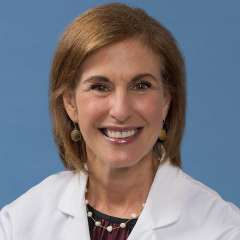
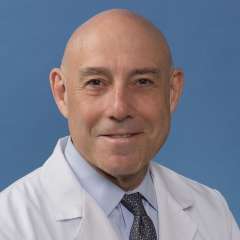
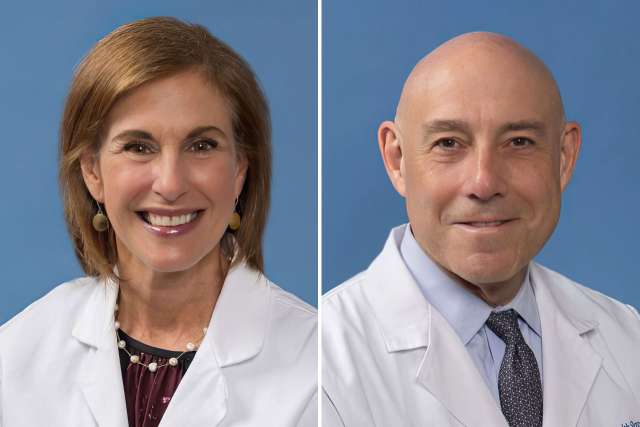
Led by Dr. Beth Karlan, professor of obstetrics and gynecology at the David Geffen School of Medicine at UCLA and the department’s vice chair of women’s health research, and Dr. Mark Litwin, professor of urology at UCLA Health, the program provides trainees with hands-on research experiences to develop expertise in designing, implementing and evaluating strategies to improve cancer prevention, diagnosis, treatment and survivorship. The program also focuses on how evidence-based interventions can be more effectively delivered across diverse healthcare settings and underserved populations.
“The need for researchers who can connect scientific discovery with clinical practice has never been greater,” said Karlan, who is also the director of cancer population genetics at the UCLA Health Jonsson Comprehensive Cancer Center. “By training the next generation of patient-centered outcomes researchers, we can help ensure that evidence-based advances reach patients in diverse communities and improve the way cancer care is delivered.”
“This program provides a unique opportunity to train physicians and researchers who understand both the science behind new discoveries and the complexities of delivering high-quality cancer care in real-world settings,” said Litwin. “By equipping trainees with the skills to evaluate and implement effective approaches to care, we can help accelerate improvements in outcomes for patients with urologic and gynecologic cancers.”