UCLA researchers have identified a pathway in liver cells that may explain how statins could help prevent or slow the development of liver cancer associated with fatty liver disease.
The findings, published in the journal Hepatology Communications, show that a specific population of hepatic stellate cells, which help maintain the liver’s structure, accumulates in the tissue surrounding MASLD-related liver tumors and shows increased activity of a signaling pathway involving a protein called YAP. The researchers also identified a potential mechanism through which statins may suppress this activity, offering new insight into how these commonly used cholesterol-lowering medications may have protective effects against liver cancer.
Why it matters
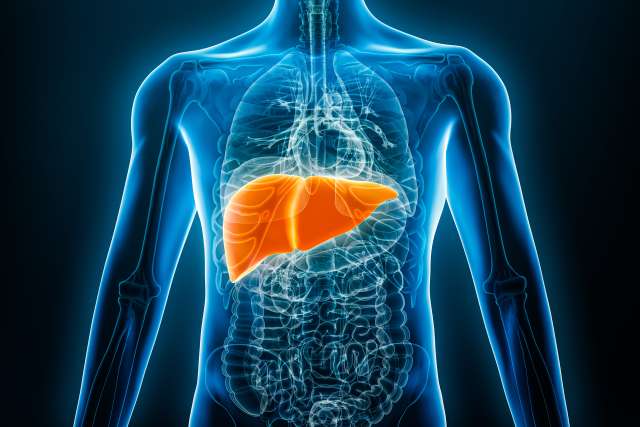
Metabolic dysfunction-associated steatotic liver disease, or MASLD, is the most common cause of chronic liver disease and is an increasingly important risk factor for hepatocellular carcinoma, the most common type of primary liver cancer. Unlike many other causes of liver cancer, MASLD-related hepatocellular carcinoma can develop even in people who do not have cirrhosis.
Hepatic stellate cells, which are best known for their role in liver scarring, can change their behavior in response to chronic liver injury. Researchers have increasingly recognized that different populations of these cells can have different effects on the liver and its surrounding environment, including the environment around tumors.
Statins are widely used to lower cholesterol and have also been associated in previous studies with a lower risk of cirrhosis and liver cancer. However, the biological mechanisms behind these associations have not been fully understood. Better understanding how statins affect cells involved in liver cancer could help researchers determine whether these drugs or the pathways they influence have potential for cancer prevention.
What the study did
Researchers analyzed human liver tissue from patients with MASLD-related hepatocellular carcinoma who underwent liver resection or transplantation at UCLA. They used single-nucleus RNA sequencing to identify different populations of hepatic stellate cells and examine their gene activity, along with spatial imaging to see where the cells and YAP-related genes were located in relation to tumors.
The team then conducted laboratory experiments using human hepatic stellate cells treated with statins. They measured changes in YAP activity, Rho GTPase signaling and levels of GGPP, and manipulated GGPP levels and Rho signaling to determine how these pathways contributed to the effects of statins.
What they found
The researchers found that statins reduced levels of geranylgeranyl pyrophosphate, or GGPP, a molecule that helps activate Rho GTPases, proteins involved in regulating a cell’s internal structure and signaling. Lower GGPP levels changed the structure of hepatic stellate cells and caused YAP to remain outside the cell nucleus, reducing its ability to activate genes involved in tissue remodeling and other cellular processes.
When the researchers restored GGPP levels, the effects of statins were reversed, providing evidence that the GGPP-Rho-YAP pathway plays an important role in how statins affect hepatic stellate cells.
The researchers also found increased expression of GGPS1, an enzyme that helps produce GGPP, in liver cells near tumors. This raises the possibility that tumor cells may produce GGPP that influences nearby hepatic stellate cells, although further research is needed to determine whether this interaction occurs in patients.
The impact of the findings
The findings point to the GGPP-Rho-YAP pathway as a potential area for future research into liver cancer prevention. Additional studies are needed to determine whether altering this pathway can change the behavior of hepatic stellate cells or the environment surrounding liver tumors, and whether it could ultimately be targeted to reduce cancer development or progression.
The study does not show that statins can prevent or treat liver cancer, and the findings do not change how these medications should be used in patients, noted the researchers. Instead, the research provides a starting point for understanding the biological effects of statins beyond cholesterol reduction and for investigating whether those effects could be harnessed for cancer prevention.
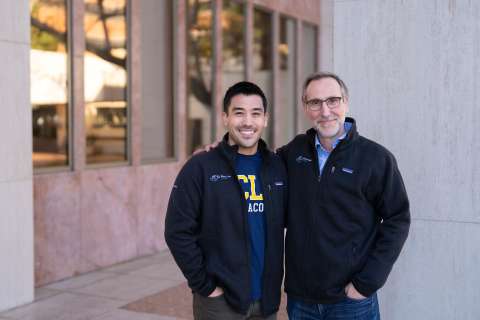
“Our study provides several new insights into hepatocellular carcinoma, including a more detailed understanding of the different populations of hepatic stellate cells, which play a key role in the development of liver fibrosis and cirrhosis,” said senior author of the study Dr. Jihane Benhammou, associate professor of medicine and digestive diseases at the David Geffen School of Medicine at UCLA and investigator at the UCLA Health Jonsson Comprehensive Cancer Center. We also provide new insight into how statins may have chemopreventive effects through pathways that are independent of their cholesterol-lowering effects.”
About the researchers
The study was completed through the Comprehensive Liver Research Center at UCLA. The study’s first author is Courtney Labrecque, a postdoctoral fellow in the Benhammou Lab at UCLA. Other UCLA authors are Bo Qiao, Calvin Pan, Kushan Chowdhury, Namrata Venkatesan, Xiaotang Du, Bishuang Cai, Matteo Pellegrini, Joseph Pisegna, Samuel French, Vatche Agopian, Enrique Rozengurt and Rajat Singh.