UCLA scientists have developed a next-generation CAR-T cell therapy that can overcome the immunosuppressive tumor microenvironment, a protective shield that tumors use to weaken immune cells, block their attack and fuel tumor growth.
By equipping CAR-T cells with the ability to block a key tumor-produced protein called VEGF, the researchers gave the engineered immune cells the power not only to attack cancer directly, but also to dismantle the tumor’s defenses and restore the immune system’s ability to fight back.
In preclinical studies using mouse models of glioblastoma and ovarian cancer, the armored CAR-T cells outperformed standard CAR-T cell therapy as well as CAR-T cells combined with systemic anti-VEGF antibodies, significantly reducing tumor growth and extending survival.
The approach, published in Science Translational Medicine, may offer a new strategy for treating aggressive tumors such as glioblastoma and advanced ovarian cancer, which have historically been resistant to immunotherapy.
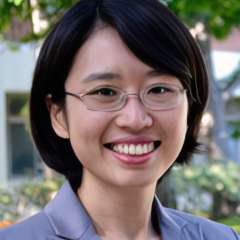
“Despite the success of CAR-T therapies for certain blood cancers, solid tumors have remained largely resistant,” said Yvonne Chen, PhD, co-director of the Tumor Immunology and Immunotherapy Program at the UCLA Health Jonsson Comprehensive Cancer Center and senior author of the study. “A major reason is that many solid tumors create an immunosuppressive microenvironment that blocks immune cells and protects the tumor. By equipping CAR-T cells to modify the tumor microenvironment, we aim to both enhance the function of CAR-T cells and boost the anti-tumor activity of endogenous, or naturally occurring, immune cells in the body.”
Although VEGF-blocking drugs such as bevacizumab are already used to treat several cancers, their benefits are often limited and can come with systemic side effects. VEGF, a protein produced by many tumors as well as stromal tissues surrounding the tumors, fuels the growth of new blood vessels, helps cancer survive in low-oxygen conditions, and strengthens the tumor’s protective shield against immune attacks. The UCLA team developed a different approach that neutralizes VEGF directly within the tumor while also boosting the cancer-killing power of CAR-T cells. By combining these two functions in a single engineered immune cell, the therapy can both dismantle the tumor’s defenses and deliver a stronger, more targeted attack.
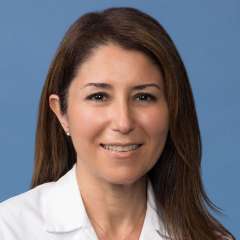
This strategy could significantly expand the reach of CAR-T therapy to solid tumors that have proven difficult to treat, noted Sanaz Memarzadeh, MD, PhD, professor of obstetrics and gynecology at the David Geffen School of Medicine at UCLA and co-author on the study.
“Ovarian cancer and glioblastoma, for example, are aggressive cancers that often recur despite standard therapies, and at that point, there are very few effective treatment options,” Memarzadeh said. “In this state, current therapies may slow disease progression but rarely lead to long-term remission, highlighting the urgent need for new approaches that can overcome tumor defenses and improve patient outcomes.”
In the preclinical study, the UCLA researchers engineered CAR-T cells to secrete a small antibody fragment, called a single-chain variable fragment (scFv) that specifically blocks VEGF. This novel scFv was developed in collaboration with Dr. Han-Chung Wu’s research group at Academia Sinica in Taiwan. The goal was to create a self-sustaining therapy that works precisely where it is needed. Rather than delivering an anti-VEGF drug throughout the body, the team designed the CAR-T cells to produce VEGF-blocking scFv, yielding “armored” CAR-T cells. Since CAR-T cells locally expand in the tumor environment, this design concentrates the VEGF-blocking scFv where they are needed in and near the tumor.
They tested these armored CAR-T cells in mouse models of ovarian cancer and glioblastoma, comparing them with conventional CAR-T cells that lack the VEGF-blocking ability. The team closely monitored tumor growth, immune-cell activity and changes in the tumor environment to see how the therapy performed.
In mice with ovarian cancer, they found that the armored CAR-T cells slowed tumor growth more effectively than standard CAR-T cell therapy and increased the number of long-term survivors. In a model using human ovarian tumor derived from a recurrent and aggressive ovarian cancer, the VEGF-blocking CAR-T cells also extended survival and boosted levels of interferon-gamma, a protein that helps the immune system attack cancer.
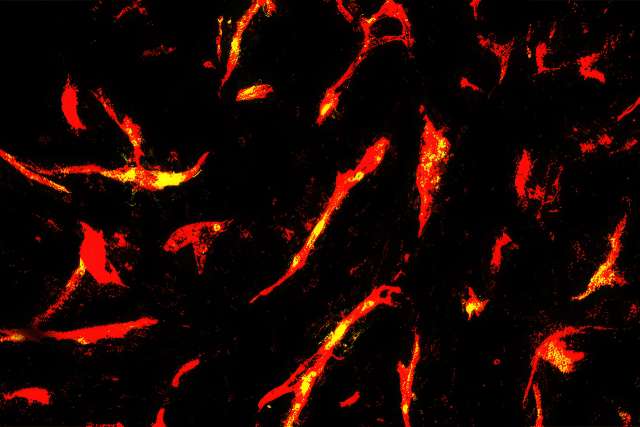
In multiple models of highly aggressive glioma, the armored CAR-T cells completely eliminated tumors in 63–88% of mice, while standard CAR-T cells had few or no (0–38%) complete responses. Interestingly, the team found that conventional CAR-T cell therapy worsened tumor blood vessels and exacerbated oxygen deprivation in the glioma environment. In contrast, the armored CAR-T cells helped prevent treatment-induced abnormal blood vessel growth and hypoxia. Analysis of immune cells in the tumors showed that these armored CAR-T cells were more active and better energized, and they encouraged other immune cells to adopt cancer-fighting behavior.
Unlike conventional anti-VEGF drugs, which must be carefully timed and combined with other therapies, the engineered CAR-T cells dynamically deliver VEGF blockers where they are needed most, potentially reducing side effects and improving efficacy.
While the research is still in early stages, the study adds to a growing wave of research exploring CAR-T cells designed to overcome the barriers that have long hindered the success of solid tumor treatment.
“This is an exciting step toward making CAR-T therapy effective against solid tumors,” said Chen, who is also a professor of microbiology, immunology, and molecular genetics at UCLA and a member of the UCLA Broad Stem Cell Research Center. “By giving CAR-T cells the ability to reshape the tumor environment, we hope to generate a therapy that not only attacks tumor cells directly, but also awakens and recruits the endogenous immune system in the fight against cancer.”
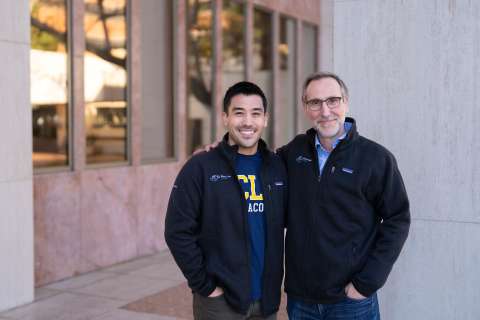
The study’s first author is Torahito Gao, a graduate student in the Chen Laboratory. Additional UCLA authors include Ryan Shih, Justin Clubb, Tanya Singh, Laura James-Allan, Gabriella DiBernardo, Amanda Shafer, Amber Bouren, Melanie Ayala Ceja, Sophie Ong, Andréa Ball and Ajit Divakaruni.