
UCLA Vatche & Tamar Manoukian Division of Digestive Diseases


Redefining Digestive Care. Pioneering Innovation. Changing Lives.
Established in 1953, the Vatche & Tamar Manoukian Division of Digestive Diseases is a world leader in the diagnosis, treatment, and research of digestive and liver diseases. Through its outstanding clinical, research, and training programs, the division advances innovative approaches to preventing, understanding, and treating disorders of the gastrointestinal tract, liver, and biliary system.
Our commitment to exceptional patient care is strengthened by a culture of academic excellence and collaboration. As part of the UCLA Health system, we leverage the expertise, technology, and resources of the David Geffen School of Medicine at UCLA, Ronald Reagan UCLA Medical Center, and UCLA Santa Monica Medical Center to deliver the highest standard of care and drive medical innovation.
Find Your Care
To find out more about our gastroenterology and hepatology services, call 310-855-7002.
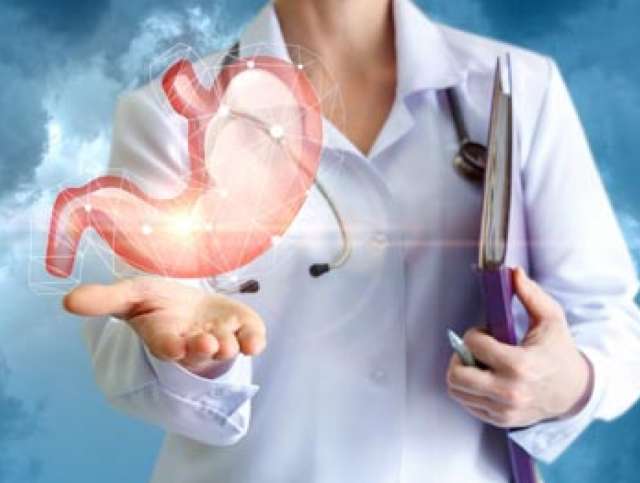
Expert care for digestive health
Training tomorrow's GI leaders
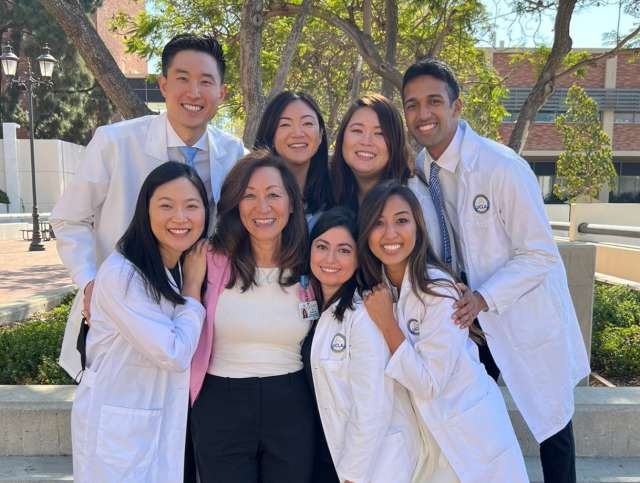
The UCLA GI Fellowship Program trains future leaders in gastroenterology, hepatology, and digestive disease research. Among the largest programs of its kind in the nation, it provides comprehensive training to 23 fellows at any given time, preparing them to excel in patient care, scientific discovery, and academic medicine.
A legacy of discovery
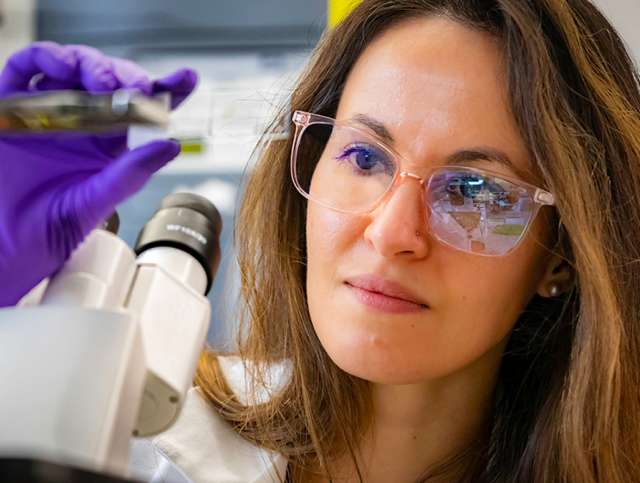
Research has been a mainstay of our division since it was established in 1953, and we have grown to become a world leader in contributing new digestive diseases-related knowledge through scientific studies. Our faculty publish extensively and play prominent roles in national meetings, advancing the state of the science and ushering in cutting-edge treatments that improve and save lives.
Latest news

$7.5M to study why IBS may affect women more severely
UCLA Health researchers have received $7.5 million to renew its longstanding research center focused on sex differences in irritable bowel syndrome (IBS). The five-year study will determine why women with IBS experience more severe symptoms and a greater burden of symptoms than men. The study is funded by the National Institutes of Health’s Office of Research on Women’s Health and National Institute of Diabetes and Digestive and Kidney Diseases (NIDDK) and overseen by three leading UCLA Health digestive diseases and brain-gut-microbiome researchers: Drs. Lin Chang, Elaine Y. Hsiao and Emeran A. Mayer.

$4M NIH grant to study why ulcerative colitis symptoms persist after inflammation subsides
In this new study funded by the National Institutes of Health, Drs. Lin Chang, UCLA, and Bruce Sands, Mount Sinai, will investigate if persistent symptoms are driven by ongoing gut inflammation or altered gut-brain signaling. To achieve this, the researchers will use a combination of brain imaging, wearable technology to measure autonomic nervous system function and will test whether non-invasive vagal nerve stimulation can improve symptoms.
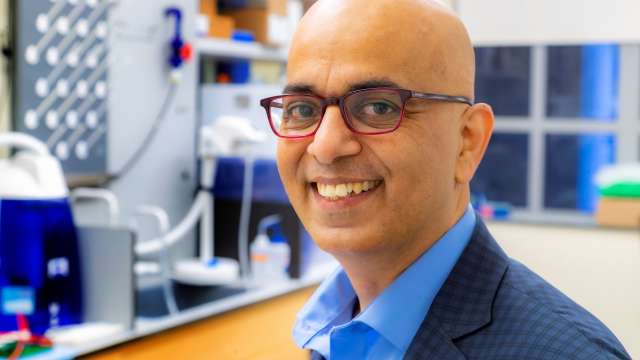
$3M NIH grant to study how the brain's 'cleanup' system influences metabolism in aging
UCLA Health professor of medicine and the UCLA Comprehensive Liver Research Center director Dr. Rajat Singh has received a $3 million federal grant to investigate how aging affects a brain region that helps control metabolism, and whether reactivating a specific group of neurons could keep our metabolism healthier for longer.
GERD Without the Guesswork
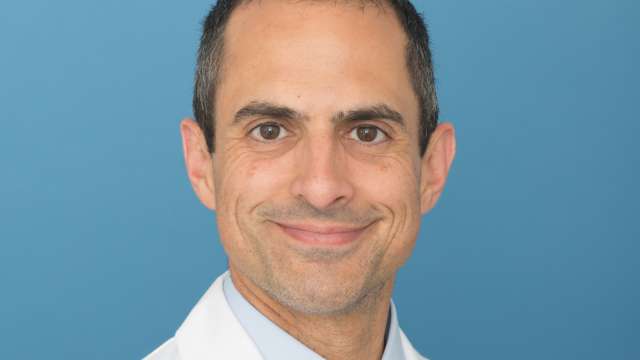
Dr. Kevin Ghassemi, medical director of the Robert G. Kardashian Center for Esophageal Health, joined Dr. Eve Glazier on the UCLA Health Medically Speaking podcast. In the episode, GERD Without the Guesswork, Dr. Ghassemi discusses the differences among reflux medication, explains which symptoms may signal the need for medical evaluation, and shares practical guidance listeners can apply right away.
$4M NIH grant to study probiotic treatment for obesity
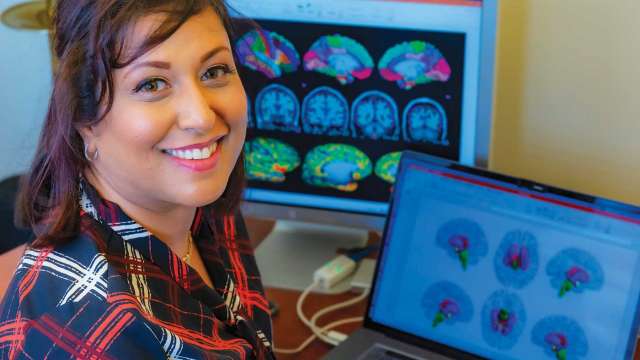
Dr. Arpana Church has received a $4 million grant from the National Institutes of Health (NIH) to investigate whether a specific probiotic blend can influence the communication between the gut, the microbiome, and the brain in adults with obesity. The five-year project, Probiotic Regulation of Gut-Microbiome–Brain Interactions in Obesity and Eating Behaviors (PROBE), is funded by the NIH’s National Center for Complementary & Integrative Health.

New Microbiome Vaccine Program aims to harness gut microbes and immune system against cancer-promoting bacteria
UCLA has launched the Microbiome Vaccine Program (MVP), an innovative collaboration between the Goodman-Luskin Microbiome Center and the California Institute for Immunology and Immunotherapy (CIII) focused on developing new ways to prevent and treat cancers linked to disease-causing gut bacteria. The program brings together experts in microbiology, immunology, gastroenterology, and translational science to explore how the gut microbiome and immune system can be harnessed to combat cancer.

Gut health explained
Dr. Lynn Shapiro Connolly recently shared her expertise on gut health, the microbiome, and the mind-gut connection as a featured guest on the UCLA Health Medically Speaking podcast with Dr. Eve Glazier. Together, they unpack how the gut and its bacteria work, and why there’s no such thing as one perfect microbiome. They also discuss common myths surrounding the “leaky gut,” the limitations of at-home microbiome testing, and why the gut-brain connection may play a bigger role in overall health than many people realize.
Inside the endoscopic revolution in weight loss
Endoscopic bariatric therapies are transforming the treatment of obesity by offering effective, minimally invasive alternatives to medications and traditional surgery. These innovative procedures help patients achieve meaningful weight loss with a strong record of safety and efficacy. At UCLA Health, advanced endoscopic techniques such as endoscopic sleeve gastroplasty (ESG), transoral outlet reduction (TORe), and metabolic endoscopic therapies are expanding options for patients with obesity and for those experiencing weight regain after bariatric surgery.