
Exercise
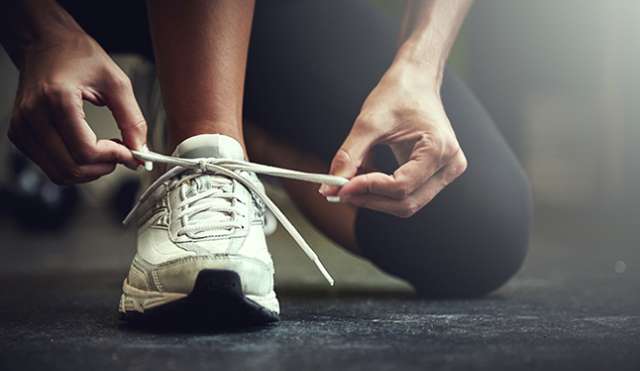
Physical exercise is the key to a healthy lifestyle. It reduces the risk of high blood pressure, manages sugar levels, lowers the risk of type 2 diabetes, and improves mental health.
The following are some examples of exercises you can do:
Full Mobility Exercises while standing
- Walking, jogging in place, stationary biking, walking up and down stairs, lifting light weights (ask your doctor), dancing, swimming
- Patients with PKD should not be running instead try using ellipticals, stationary bikes, and stairmasters as alternatives

Limited Mobility Exercises while Standing
Walking, raising your arms up and reaching for the ceiling, reaching for your toes, raising arms horizontally and rotating in a circular motion

Sitting Down Exercises
- Moving neck side to side, lifting one leg at a time, stretching one leg at a time, moving arms forward and then up, reaching for the ceiling, and lifting your arms sideways

Lying Down Exercises
- Leg lifts one at a time, toe raises, raising arms to ceiling, pelvic raises, curling and uncurling hands
Yoga and Qigong
- Qigong is a Chinese-based physical exercise and breathing control style similar to tai chi that consists of slow and controlled movements
- Balance in combination with aerobic training has been shown to be just as effective as resistance or aerobic training

Underlying Principles for Exercise
Optimal Duration of exercise
- The optimal exercise recommendations for patients with CKD depends on each individual patient. Please consult your healthcare provider for tailored guidance.
- The American Hospital Association publishes recommendations for older adults that you may reference
- As a rule of thumb, older adults typically need either
- Moderate-intensity aerobic physical activity for a minimum of 30 minutes on five days each week OR
- Vigorous intensity aerobic activity for a minimum of 20 minutes on three days each week (Moderate and vigorous intensity is relative to the aerobic fitness of each individual)
Optimal Intensity of exercise
- Individuals should start with low-to-moderate intensity (intensity is relative to your current condition and level of fitness, not on specified values)
- Make sure to keep track of your heart rate, breathing rate, whether there is sweat, and how tired your muscles are
- Moderate Intensity is characterized by:
- Breath quickening
- Light sweating
- Vigorous Intensity is characterized by:
- Deep and rapid breathing
- Sweating within the first couple minutes of exercises.
- Requiring multiple pauses to catch your breath
Optimal shoes for exercise
- Use shoes that provide ample shock support, heel cushioning, are supportive and durable.
Stay Consistent!
- The more you do it, the more effective and easy it will be
- Tracking your workouts with a calendar can help keep you on track
SMART goals to keep in mind when setting goals about your health:
- Specifics - don't leave anything vague, be as detailed as possible
- Measurable - make the goal quantifiable
- Achievable - be reasonable on yourself to ensure you reach your goals
- Relevant - make them relevant to changes you want to make within your life
- Time-bound - set time restraints for when you want to accomplish your goals by
- An example SMART goal could be: In three months, I will be able to walk 2 miles without having to stop to catch my breath.
Be Accountable!
- Using a buddy system can help ensure you achieve their exercise goals
- Buddies can be a spouse, trainer, friend or family member
Walking

How far should you walk?
- Ages 18-59 → 7000-10000 steps/day
- >60 → ~8000 steps/day
Where can you walk?
- Local parks, fields, tracks, trails
How fast should you walk?
- 50–59 years: 2.93–3.2 miles per hour
- 60–69 years: 2.77–3.0 miles per hour
- 70–79 years: 2.53–2.82 miles per hour
- 80–89 years: 2.10–2.17 miles per hour
When to stop walking?
- Stop walking if you have any of the following symptoms: injury, heart pain, shortness of breath, irregular heartbeat, stomachache, cramps, light headedness, nausea or vomiting, weakness in arms and legs
When not to walk?
- Don't walk after eating, experiencing symptoms of illness, changing dialysis or medicine schedule, facing injury, or feeling fatigued
How to stay hydrated?
- Carry a water bottle on long walks and take small sips of water throughout the walk
If desired/recommended, add electrolytes (talk to your dietitian about your disease state and if you can take electrolytes

Tips for staying on track
- Set a time for exercise
- Set specific exercises to perform
- Slowly start increasing length and frequency of exercises as you build stamina
- Create a routine
- Ask your doctor for recommendations
Written by: Jim Cunningham*, Ariv Tandon, Jared Nakahara, Evan Schneider, Saket Rao and Surabhi Chinta**
* Jim Cunningham is a doctor of psychology as well as a licensed marriage and family therapist
** Ariv Tandon, Jared Nakahara, Evan Schneider, Saket Rao, Surabhi Chinta are UCLA undergraduates working within the Bruin Beans Health Club
Disclaimer: Before starting any exercises, please consult your primary care provider (PCP) or general doctor for advice. Each patient’s situation is unique. Some may have chronic kidney disease (CKD), high blood pressure, diabetes, obesity, or other conditions. Seeking medical advice beforehand ensures you receive guidance tailored to your specific health needs.