
Research Track
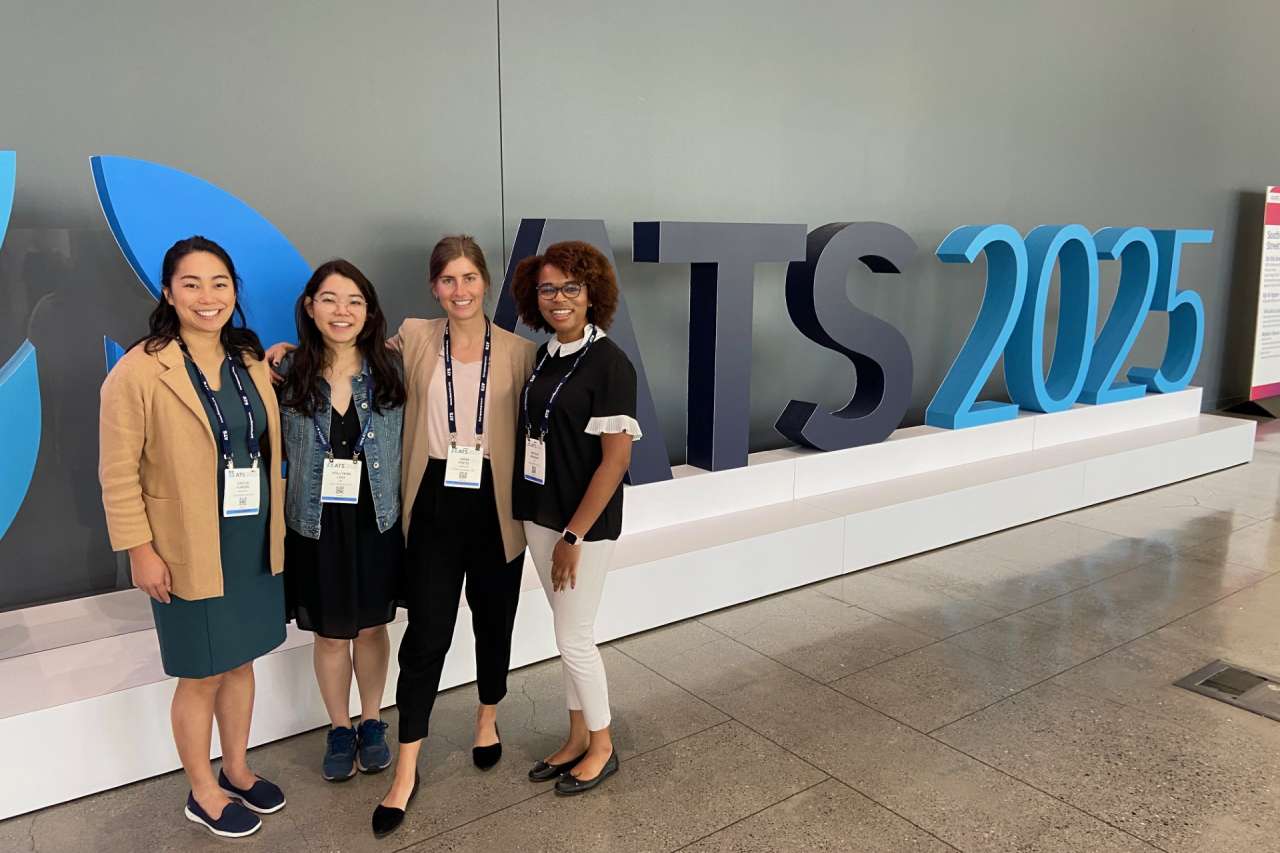
A key mission of our Division and a part of the Strategic Plan of the Department of Medicine is to produce the next generation of physician-scientists in the field of Pulmonary and Critical Care Medicine. We have a strong track record of graduates who have gone on to successful careers in basic, translational, clinical, and health services research. Many of our graduates are now NIH-funded investigators in key leadership positions around the country.
Those committed to careers as physician-scientists are encouraged to apply to the Physician Researcher Track through ERAS.
OVERVIEW:
- The research track is for fellows who intend to pursue an academic career as an NIH-funded physician-scientist. This track provides protected research time during the 2nd through 4th years of the PCCM fellowship.
- Beginning during the 2nd year of fellowship, research track participants will have 75% protected time for research and/or coursework and 25% clinical time. The clinical time will include high-yield core rotations, a once weekly half-day of ambulatory continuity clinic, and the opportunity for outpatient procedural experiences with different services (e.g., interventional pulmonology and pulmonary vascular disease).
- Research fellows will typically complete a 4th year of fellowship. During this year, fellows will maintain their continuity clinic with minimal inpatient clinical duties so that they can prioritize research during protected blocks. Funding is guaranteed for all 4 years.
Advanced degree programs:
At UCLA, fellows on the Research Track participate in one of our advanced degree programs:
- Specialty Training and Advanced Research (STAR) program
- STAR is an advanced degree (PhD) or post-doctoral program with 2 available tracks:
- Basic/translational science
- Health services research
- For those who already have a PhD, STAR supports post-doctoral training.
- Candidates apply to this program during their fellowship application cycle (with interviews conducted during a UCLA PCCM Fellowship interview day) or during their first year of fellowship
- This program provides:
- Funded advanced formal training (a PhD or post-doctoral fellowship)
- Protected research time during fellowship with a path to transition to junior faculty
- Special monetary support for scholarly activities
- A structured STAR curriculum, including seminars in grant writing, career development, and other core topics that are critical for physician-scientists
- Learn more:
- UCLA STAR website
- Our fellowship STAR page
- STAR is an advanced degree (PhD) or post-doctoral program with 2 available tracks:
- IGNITE-MSCR
- IGNITE is a Master of Science in Clinical Research program that provides 2 years of support
- There are 3 available tracks:
- Clinical Trials/Translational Research
- Biomedical Informatics
- Artificial Intelligence/Machine Learning
- Candidates formally apply to this program during their first year of fellowship. However, fellows can meet with IGNITE leadership during their UCLA PCCM Fellowship interview day if interested.
- This program provides:
- 1) Tuition for the MSCR program
- 2) Protected research time during fellowship
- Learn more:
We partner with STAR and IGNITE-MSCR, both of which have strong track records of fostering physician-scientist careers. These programs afford fellows a supported path to faculty as they work towards obtaining NIH K or equivalent career development awards. On your interview day, you will have the opportunity to meet with leadership from either the STAR or IGNITE-MSCR programs, which will allow you to learn more about the programs without necessarily committing you to either one.
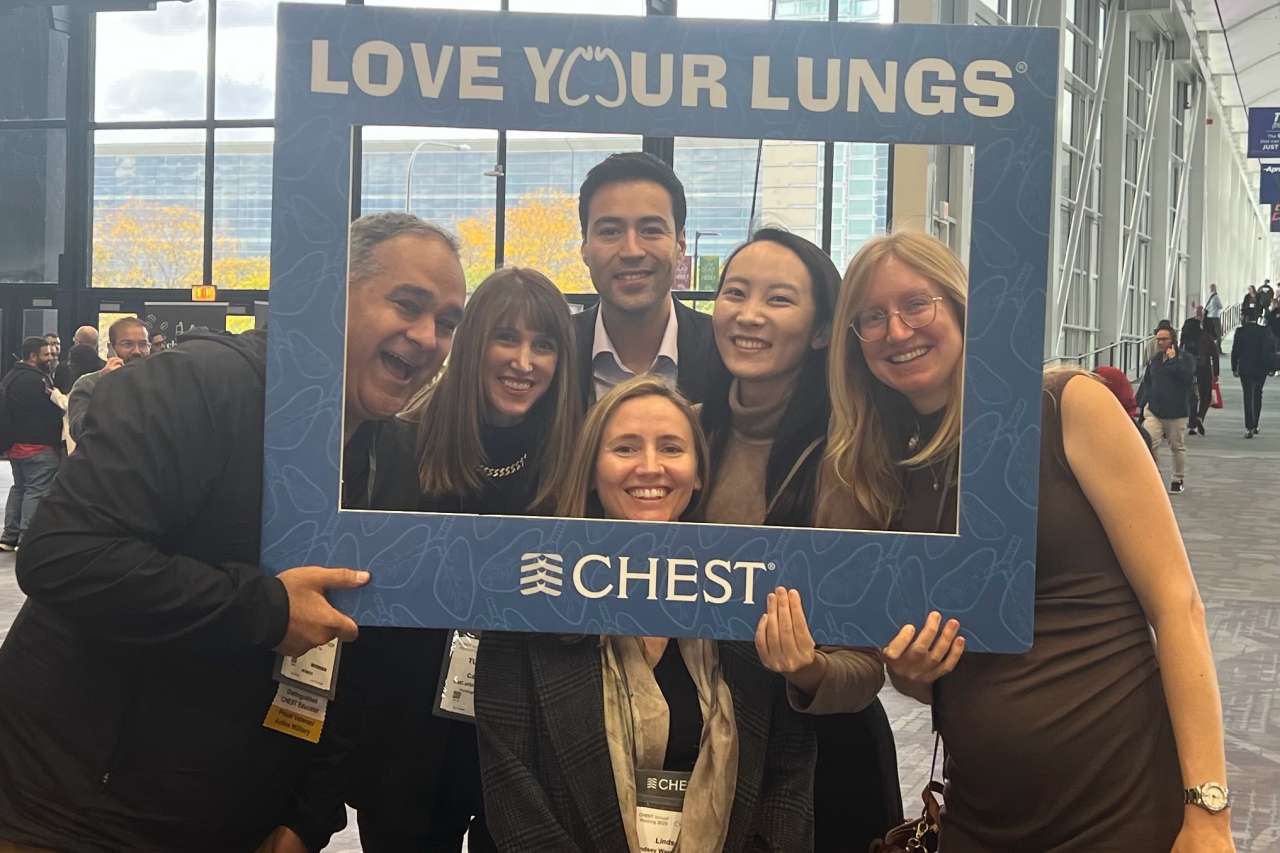
Mentorship and guidance:
- During the 1st year of fellowship, those selected for the research track will receive guidance from both the Pulmonary and Critical Care division leadership and the DOM STAR or IGNITE-MSCR program leadership (as applicable) to help select an appropriate research mentor/lab.
- A dedicated research retreat will take place in the Fall/Winter of the 1st year to help fellows interested in research identify mentors.
- By their 2nd year, research fellows will be directed to either our 1) Basic & Translational Research committee, or our 2) Health Services & Clinical Research committee. These internal PCCM division research committees have a joint monthly Research Seminar Series that are attended by senior physician-scientists, junior faculty, and research fellows. The purpose of these meetings is to provide feedback and guidance for scientific projects, grant writing, manuscript preparation, and career development. These meetings also provide an avenue to identify additional mentors.
- Our research fellows have had success with faculty mentors both within our Division and beyond (e.g., Immunology, Biophysics, Pathology, and General Internal Medicine and Health Services Research). Most fellows have relied on mentors at UCLA, but some have also received mentorship from other institutions. The profiles of research faculty in our Division can be found here.
- Facilities and programs available for clinical research training include the pulmonary function research laboratory, the UCLA Clinical and Translational Science Institute (CTSI) and Clinical Translational Research Center (CTRC), the VA Health Services Research & Development Center for the Study of Healthcare Implementation, Innovation, and Policy (CSHIIP), and an ongoing collaboration with the Los Angeles County Department of Health Services (DHS).
Funding and grant support:
- Our funding sources include the Pulmonary and Critical Care Division’s NIH T32 grant, the DOM STAR program, and the DOM IGNITE-MSCR program.
- Fellows on the research track will be placed on an NIH training grant during the research years of their fellowship.
Types of Research:
Basic & Translational Investigator Option
The basic and translational investigator option is open to fellows who are interested in the mechanisms of pathology and their translation to the bedside. Fellows in this pathway who enroll in the STAR program have the option of pursuing a PhD or postdoctoral training in a graduate school discipline through UCLA or Caltech. In recognition of the basic science education already received in medical school and concurrent clinical responsibilities, basic and translational science fellows in STAR generally have minimal coursework and no teaching assistant (TA) responsibilities.
The DGSOM campus includes prominent research laboratories, cutting-edge and comprehensive core and animal facilities, and opportunities for numerous collaborative relationships on campus and at the West Los Angeles VA. A small sampling of current projects that demonstrate the breadth and depth of our Division’s research opportunities include: the mechanisms of allograft rejection following lung transplant, innate immune responses in pneumonia and acute lung injury, biomarkers of disease severity in ARDS, tumor immunology for vaccine development in lung cancer, novel -omics analyses in models of pulmonary hypertension, effects of tobacco and cannabis on lung physiology, mitochondrial metabolism in lung cancer, cholesterol metabolism in pulmonary alveolar proteinosis, alveolar macrophage lipid immunometabolism in pulmonary fibrosis, iron metabolism in critical illness and inflammatory lung disease, and many more.
Clinical & Health Services Investigator Option
The Division also supports training for those interested in clinical and health services research. Faculty in the Division and the broader Department of Medicine have expertise in clinical trials, epidemiology, implementation science, health policy, ethics, health economics, and public health. Fellows in this pathway are encouraged to enroll in the STAR program to pursue a PhD or postdoctoral fellowship through the UCLA Fielding School of Public Health (FSPH), Division of General Internal Medicine & Health Services Research, or the Pardee RAND Graduate School.
Fellows who are interested in pursuing a Master of Science in Clinical Research (MSCR) are encouraged to apply for the IGNITE-MSCR program.
For further information about research and training opportunities available to our fellows, prospective applicants are invited to contact Heather Draper with inquiries:
Heather Draper
Fellowship Program Coordinator, Pulmonary and Critical Care Fellowship
Email: [email protected]