Metabolic Syndrome Research
Find your care
Our knowledgeable experts treat obesity and fatty liver disease while improving metabolic health.
At the center of the obesity epidemic is the metabolic syndrome - a cluster of conditions defined by excess body weight and the dysregulated processing of sugar and lipids (fats and cholesterol). As many as one in three Americans may be at risk for this syndrome, which is considered to herald the leading causes of death: diabetes, heart disease, and stroke. The liver is the workhorse organ for metabolism, so it is no surprise that metabolic syndrome is also closely associated with chronic liver disease. Understanding the relationships among metabolic syndrome and progressive liver disease, inflammation, scarring (fibrosis), and eventually cirrhosis could lead to novel treatments for this fundamental health problem.
The metabolic syndrome research conducted within COMET, is led by Dr. Simon Beaven. It focuses on how alterations of lipid metabolism promote liver damage and insulin resistance/diabetes. The team studies the role of endogenous nutrient receptors, called nuclear receptors, on the development of the component conditions of the metabolic syndrome: fatty liver, diabetes, dyslipidemia (high cholesterol), obesity, and atherosclerosis. Of particular interest is how altered lipid metabolism contributes to the liver's wound-healing response. In the face of any chronic injury, the liver generates scar tissue, a process known as fibrosis, which is mediated by a specialized liver cell called the hepatic stellate cell. Left unchecked, fibrosis can progress to cirrhosis (end-stage liver disease), the need for liver transplantation, and a dramatically reduced lifespan. Currently, there are no anti-fibrotic therapies that specifically target hepatic stellate cells in any liver disease.
Recently, Dr. Beaven made a major breakthrough with the observation that lipid metabolism, through liver X receptor (LXR) signaling, plays an important role in the activation of hepatic stellate cells and contributes to liver fibrosis susceptibility. This unexpected finding has opened up a new field of study - cholesterol metabolism in liver wound healing. A better understanding of how this scarring process occurs could lead to new approaches for slowing or halting the progressive fibrosis that is at the root of all chronic liver diseases, including the metabolic syndrome.
Metabolic syndrome research team
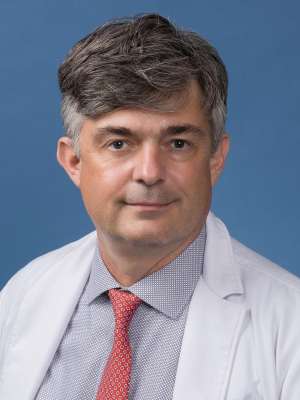
Simon W. Beaven, MD, PhD
Peter M. Clark, PhD