
Frequently Asked Questions
Find Your Care
We provide whole-person care to maximize your quality of life. Call 424-259-7009 to schedule an appointment or for general questions about outpatient palliative care. Call 424-259-8160 to learn more about inpatient palliative care services.
- What is the difference between Palliative Care & Hospice?
- Is Palliative Care right for me?
- Is Palliative Care available for children?
- Where do I go to receive Palliative Care services?
- Can I receive Palliative Care outside the hospital after I am discharged?
- Will I have a new doctor if I use Palliative Care?
- Are Palliative Care services covered by insurance?
- Does receiving Palliative Care mean that I am dying or giving up?
- Does receiving Palliative Care mean that I will die sooner?
- Can I still pursue active treatment of my disease (i.e. hemodialysis, chemotherapy, radiation) if I do Palliative Care?
- What kinds of symptoms does the Palliative Care team treat?
- What if I experience severe, unrelieved symptoms at home? Can I go back to the hospital?
- Will I become addicted to pain medications?
- What if I have side effects from my medications?
- What happens after my loved one dies?
What is the difference between Palliative Care & Hospice?
The goal of Palliative Care is to improve quality of life for patients and their families who have chronic or life-limiting illnesses.
- Pain/symptom management
- Improve/maintain quality of life
- Determining goals of care
- Discuss realistic expectations
- Clarification of code status
- Family/staff support during withdrawal of life support
- Psychosocial/spiritual support
- Coordination of care across settings
| Palliative Care | Hospice |
|---|---|
| Life-prolonging/disease-modifying treatments OK | Generally foregoes life-prolonging treatment |
| Terminal, chronic, or acute illness | Terminal illness |
| No time restrictions | |
| Not covered by all insurance plans | Insurance, Medicare usually covers |
Is Palliative Care right for me?
If you: (from sebastianhospicecare.com)
- Have a disease or injury that cannot be cured
- Have made multiple trips to the emergency room in the past 6 months
- Have pain or other symptoms that interfere with your daily activities
- Need assistance with setting your goals of care and treatment preferences
Take the “Is Palliative Care Right for You?" quiz.
Is Palliative Care available for children?
Yes! Palliative Care services are available for children while in the hospital through our Pediatric Palliative Care Program. After discharge, there are several agencies that specialize in Palliative Care services for children.
Where do I go to receive Palliative Care services?
Can I receive Palliative Care outside the hospital after I am discharged?
Will I have a new doctor if I use Palliative Care?
Are Palliative Care services covered by insurance?
Does receiving Palliative Care mean that I am dying or giving up?
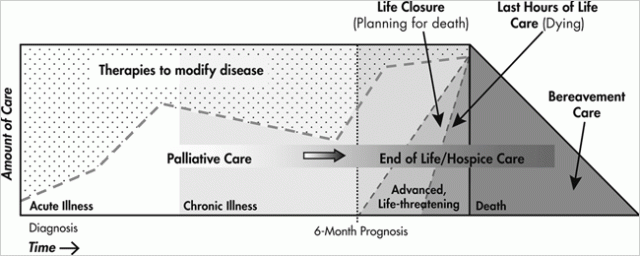
Does receiving Palliative Care mean that I will die sooner?
Can I still pursue active treatment of my disease (i.e. hemodialysis, chemotherapy, radiation) if I do Palliative Care?
What kinds of symptoms does the Palliative Care team treat?
Other than pain, the Palliative Care team may treat symptoms including:
- Nausea & vomiting
- Fatigue
- Constipation
- Diarrhea
- Insomnia
- Anorexia
- Shortness of breath
- Hiccups
- Anxiety and stress
- Depression, hopelessness, and isolation
- Anticipatory grief and bereavement
- Any other symptoms arising from your disease or treatment
What if I experience severe, unrelieved symptoms at home? Can I go back to the hospital?
Will I become addicted to pain medications?
Addiction is compulsive drug use despite harmful consequences and is characterized by an inability to stop using a drug, failure to meet obligations, and sometimes tolerance and withdrawal.
- Patients who take medications for the purpose of pain control very rarely become addicted. However, patients may develop tolerance to medications and require more to achieve a certain effect. This is different than addiction, and is an expected response to the medication.
- Pseudoaddiction is a collection of behaviors that resemble addiction or "drug seeking" behaviors. However, in pseudoaddiction these behaviors occur because of unrelieved pain, and they disappear when pain is effectively managed.