
Primitive Reflexes Integration in Practice Linking Movement, Sensory Integration, and Functional Outcomes
Primitive Reflexes Integration in Practice Linking Movement, Sensory Integration, and Functional Outcomes
March 15, 2026 and April 18, 2026
7:30 am to 3:30 pm Pacific Time
1000 Veteran Ave., Los Angeles, CA 90024
Registration:
UCLA Staff and other UC campuses (cost covers both days)
Non-UC participants (cost covers both days)
Note: The instructor requires all participants to attend on-site, although she will deliver the session remotely via Zoom.
Course Description: This dynamic, evidence-informed course explores the clinical application of primitive reflex integration with a focus on improving function in children. Through a therapeutic lens, participants will examine how retained reflexes impact postural stability, motor coordination, emotional regulation, and participation in daily routines. The course emphasizes hands -on strategies that integrate reflex work with sensory processing insights highlighting the ways in which movement and sensory input intersect to supp ort regulation, attention, and skill acquisition. Rather than addressing sensory integration as a stand -alone framework, this course weaves sensory concepts into the context of each reflex. Participants will learn to link clinical observations with developmental neuroscience, assess underlying systems, and design interventions that promote functional change. Real -life case studies, clinical reasoning tools, and reflex-specific strategies make this course highly practical and immediately applicable.
Learning Outcomes: By the end of this class, the participants will be able to:
1. Utilize motor control, sensory integration and primitive reflex integration theories simultaneously to facilitate improvement in function and occupation -based interventions.
2.Correlate the findings from a research study to the evaluation and treatment of retained primitive reflexes.
3. Determine how the structural development and alignment of the pelvis and trunk can impact a functional activity.
4. Choose an appropriate primitive reflex integration assessment to address a functional impairment.
5. Select a functional and individualized goal based on a primitive reflex integration assessment.
6. Update a treatment plan to address retained primitive reflexes that utilizes effective strategies to strengthen your client’s skills during functional activities.
Course Schedule/Agenda:
DAY 1 | 7:30 AM – 3:30 PM
7:30 – 7:40 Course Welcome and Orientation
7:40 – 8:20 Organizing Reflexes Across Development & Postural Foundations
Overview of primitive, postural, and equilibrium responses, with emphasis on posture and the role of rib cage and pelvic organization in reflex expression and movement.
8:20 – 8:45 Reflex Integration and Sensory Integration: A Shared Framework
Introduction to reflex integration and sensory integration as complementary theories used together to understand regulation, movement, and functional participation.
8:45 – 9:45 “Finding Gravity”: Early Anti-Gravity Reflexes
Exploration of reflexes that support orientation to gravity, early postural control, and movement in sagittal and vertical planes, including Hands Pulling, Tonic Labyrinthine Reflex (TLR), Landau, and Symmetrical Tonic Neck Reflex (STNR).
9:45 – 10:00 Break
10:00 – 11:30 “Finding Gravity”: Early Anti-Gravity Reflexes (continued)
Clinical observation, assessment considerations, and intervention strategies related to reflexes that support organization against gravity and postural stability.
11:30 – 12:00 The Somatosensory System
Examination of tactile and proprioceptive processing as the foundation for reflex modulation, postural stability, body awareness, and motor planning.
12:00 – 1:00 Lunch
1:00 – 1:45 The Emotional Brain and Polyvagal Theory
Exploration of the autonomic nervous system and its influence on emotional regulation, stress responses, behavior, and reflex expression.
1:45 – 2:45 Protective Reflexes and Survival Responses
Clinical examination of the Moro Reflex and Fear Paralysis Reflex, with emphasis on emotional regulation, stress reactivity, and functional implications of retained patterns.
2:45 – 3:30 Wrap-Up and Questions
DAY 2 | 7:30 AM – 3:30 PM
7:30 – 7:40 Day 2 Welcome / Review
7:40 – 8:40 Neuroanatomy Foundations for Reflex Integration
Overview of key brain structures supporting movement, tone regulation, and reflex modulation, with direct links to observable clinical patterns and functional outcomes.
8:40 – 9:45 Rotational Reflexes and Midline Organization
Examination of reflexes supporting trunk rotation, bilateral coordination, and midline integration.
9:45 – 10:00 Break
10:00 – 11:30 Rotational Reflexes and Midline Organization (continued)
Clinical assessment and treatment strategies addressing rotational movement patterns and functional application.
11:30 – 12:00 Distal Reflexes and Functional Hand Use
Examination of palmar, plantar, and Babkin–palmomental reflexes and their influence on fine motor development, grasp patterns, and functional participation.
12:00 – 1:00 Lunch
1:00 – 2:15 Distal Reflexes and Functional Hand Use (continued)
Clinical observation and intervention strategies related to distal reflex integration and hand function.
2:15 – 3:30 Case Study – Pulling It All Together
Guided discussion and clinical reasoning integrating reflexes, sensory processing, posture, emotional regulation, and neuroanatomy.
Instructional Methods: Lecture and lab
Target Audience: OT, COTA, PT, PTA
Educational Level: Introductory/Intermediate
Prerequisites: None
Completion Requirements: To earn a certificate of completion, participants must:
- Attend both courses (Parts 1 & 2). CEU approval applies to the full program and cannot be granted for individual courses.
- Complete post-course evaluation no later than 48 hours after the class. A link to the evaluation will be emailed to you following the class.
- Successfully demonstrated competency during the lab portion of the course.
- No partial credit will be awarded.
Cancellation Policy:
Provider Cancelation: The Rehab Education Committee reserves the right to cancel a course due to low enrollment, unforeseen circumstance, or instructor availability. In such cases, participants will be notified via email as soon as possible.
Participant Cancellation: If you are unable to attend, please email [email protected] at least 7 days before the course date. This course is non-refundable.
Complaint Policy: UCLA Rehabilitation Education Committee strive to provide professional development that highlights today’s best practices. If you have complaints, please contact [email protected] no later than a week after the event and the Education Committee will review your concerns and respond to you as soon as possible.
Accommodation Request: For questions and accessibility request, contact Joan Vicente at [email protected] or at 424-440-0369 seven days before the course date.
Instructor Bios
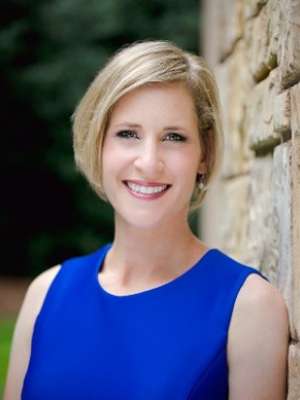
Janine Wiskind, MS, OTR/L
Janine Wiskind, MS, OTR/L is a pediatric occupational therapist with 20+ years of clinical experience. She began her career in brain injury rehabilitation, transitioned into school-based practice, and now serves as the founder of On Solid Ground, a private pediatric clinic in Atlanta specializing in reflex integration, sensory processing, and family - centered care.Janine is known for her dynamic, engaging teaching style and her ability to make complex neuroscience and clinical concepts practical and accessible. For more than 15 years, she has been presenting nationally sharing evidence-informed strategies that help therapists not only understand what to do, but also the critical why behind children’s behaviors and developmental needs. In addition to her clinical and teaching work, Janine is the founder of Body & Brain Parenting, an online platform that provides parents with accessible education and tools to view parenting through the lens of occupational therapy. As a clinician, educator, and mother of two teenagers, Janine brings both professional expertise and lived perspective to her teaching. Her commitment to lifelong learning equips therapists to grow in confidence and creativity while supporting the children and families they serve.
UCLA Health Rehabilitation Services is recognized by the PT Board of California as a Continuing Competency Approval Agency to approve providers offering continuing competency courses. This course is approved for 1.35 CEUs (13.5 contact hours).