
Last year, the Simms/Mann UCLA Center for Integrative Oncology hired a dedicated social worker to meet the specialized and often unmet psychosocial needs of young people with cancer.
It’s part of the Simms/Mann Center’s collaboration with the UCLA Health Adolescent and Young Adult (AYA) Cancer Program, working with patients age 15 to 39.
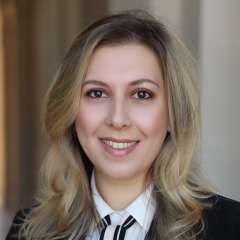
Although relatively small in number, younger cancer patients often experience outsize effects from a diagnosis, said Valentina Ogaryan, PhD, clinical director of the Simms/Mann Center and a clinical psychologist. Cancer can derail everything from playing a sport in high school to planning a wedding or applying to grad school.
“AYA patients are typically navigating really critical developmental milestones and life transitions related to independence, education, career, developing relationships and fertility, all of which become extremely disrupted,” Dr. Ogaryan said. “They really do require a lot more individual and community-based support.”
Meeting needs
According to the National Cancer Institute, an estimated 85,480 adolescents and young adults are diagnosed with cancer annually in the U.S., accounting for about 4.2% of all cases.
Teens and young adults may feel isolated from friends their age who can’t relate to what they are experiencing, while also feeling out of place among other cancer patients.
“It can be disorienting if you’re sitting in an infusion chair and you look around and most people are much older than you,” Dr. Ogaryan said.
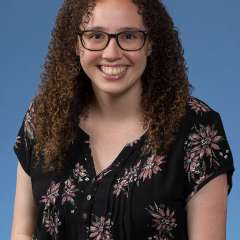
In February 2025, Carly Nahin, LCSW, joined the Simms/Mann Center as its first clinical oncology social worker dedicated exclusively to AYA patients. She works at the UCLA Health Bowyer Oncology Center in Ronald Reagan UCLA Medical Center where she can connect with younger patients right where they go for treatment.
“We’re now as an institution and a center moving toward this ongoing effort in developing more informed multidisciplinary models of care that intersect young adult medical treatment with psychosocial support and peer connection,” Dr. Ogaryan said. “Having an AYA social worker like Carly, who is embedded, allows the support to be relational, to be intimate, to be timely.”
Nahin, a young adult herself, has worked to flexibly meet her patients in the ways they are most comfortable. That may mean communicating via text message or talking informally, as other options in addition to booking official sessions.
“Traditional communication and what we’re used to when working with older people in health care is different for younger generations,” Nahin said. “A lot of quick, less formal rapport-building conversations have been really helpful. Having the flexibility to provide support through more spontaneous visits versus planning far in advance can be extremely beneficial for establishing and maintaining connections with the AYA population.”
Nahin leads a Simms/Mann Center support group for patients 18 to 39 that meets virtually to help them work through the ways cancer changes their lives and perspectives.
“When young people are diagnosed with cancer, their lives are unexpectedly put on hold,” Nahin said. “This population experiences significant grief related to shifts in identity as well as changes in perspective that often impact their sense of self, relationships and values. A cancer diagnosis impacts everything – the ways in which they connect with the world and define what is meaningful to them.”
She said they are free to discuss anything, including topics that might feel uncomfortable in a non-peer group.
“I describe this group as uncensored,” she said. “There’s cursing. They’ll talk about sex, physical changes in their body and struggles with self-esteem. Patients would not feel as comfortable with these discussions in a group with older people – and those topics are so important.”
Kristin Doss, a 37-year-old patient with brain cancer and a mother of two, said she feels seen and heard when she attends the AYA support group. She’s become friends with another young woman, with whom she’s exchanged contact information.
“We text back and forth or send memes on Instagram,” Doss said. “I love the vibes of the group. I look forward to seeing new people and the same ones who keep coming back.”
Nahin offers individual support and counseling to patients 15 to 39 in whatever format suits them. That could be a video appointment, phone call or chatting when they visit the clinic for other appointments. If they need to postpone a session, they can shoot her a text rather than cancel via MyChart.
“The AYA role requires flexibility to also be able to do more informal work with these patients,” Nahin said. “Patients with cancer have a lot of things that are out of their control. My time with the patients is supposed to be a source of support versus another appointment that they have to be at on time.”
Future growth
As word spreads and demand for services grows, Dr. Ogaryan said the Simms/Mann Center could potentially offer specialized AYA support groups that are diagnosis-specific, or more community events.
She noted that patients of any age can take advantage of the free services provided at the Simms/Mann Center that include spiritual care, mindfulness meditation and nutritional services.
Nahin said she would like to see more services provided outside of traditional business hours to accommodate the schedules of younger patients.
“It’s an exciting time now because we do have opportunity to expand and develop and see what the growing needs are,” Dr. Ogaryan said. “We just got up to a year and we’ve already done so much.”