Physicians and scientists from the UCLA Health Jonsson Comprehensive Cancer Center will present new research at the American Association for Cancer Research (AACR) Annual Meeting, highlighting advances in targeted therapies, cancer immunology, early detection and treatment strategies across a range of tumor types. The studies span preclinical discoveries and clinical trial results, offering insights into overcoming drug resistance, enhancing immune responses and improving outcomes for patients with difficult-to-treat cancers.
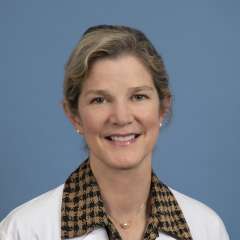
At this year’s scientific meeting, Dr. Joann Elmore, professor of medicine at the David Geffen School of Medicine at UCLA and of health policy and management at the UCLA Fielding School of Public Health, is part of the Presidential Select Symposium on April 20, where she will discuss the role of artificial intelligence in cancer diagnosis, including its promise, performance and the human-AI factor.
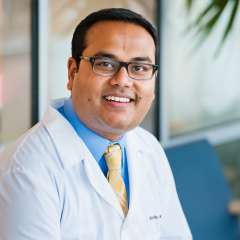
Dr. Aditya Bardia, director of the Breast Oncology Program and Translational Research Integration at the UCLA Health Jonsson Comprehensive Cancer Center, will be discussing therapeutic advances in antibody-drug conjugates (ADCs) during the Clinical Trial Plenary Session on April 19.
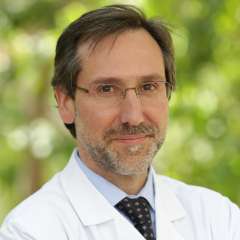
Additionally, Dr. Antoni Ribas, professor of medicine and director of the UCLA Health Jonsson Comprehensive Cancer Center’s Tumor Immunology & Immunotherapy Program, has been selected as the recipient of the AACR Margaret Foti Award for Leadership and Extraordinary Achievements in Cancer Research as part of the 2026 AACR Scientific Achievement Awards class.
More than 30 abstracts from UCLA investigators have been selected for presentation at the conference, including several late-breaking studies highlighting clinical trial results. These include the TROFFi trial, which explores targeting cellular senescence to help reverse chemotherapy-related muscle aging in breast cancer survivors; the PROFFI study evaluating fisetin combined with exercise in postmenopausal breast cancer survivors; a phase 2 trial of ivonescimab for previously treated thymic carcinoma; and a study comparing amivantamab plus FOLFIRI with cetuximab or bevacizumab plus FOLFIRI in patients with recurrent, unresectable or metastatic RAS/BRAF wild-type colorectal cancer.
Other notable studies presented by UCLA researchers include:
Abstract 1323: Improving targeted drug delivery for colorectal cancer
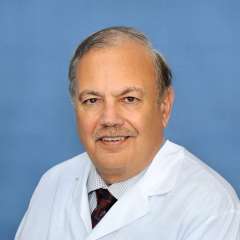
Dr. Neil A. O’Brien, an adjunct professor of medicine at UCLA, will present findings on a promising targeted therapy approach for colorectal cancer that could help overcome drug resistance, one of the biggest challenges in cancer treatment. The team studied ADCs, which are designed to deliver cancer-killing drugs directly to tumor cells while limiting harm to healthy tissue, by targeting a protein called CDH17 that is commonly found on colorectal cancer cells but also present in normal intestinal tissue. In preclinical models, two different drug payloads were tested. Both shrank tumors, but a topoisomerase 1 inhibitor was more effective in cancers with high levels of P-glycoprotein (P-gp), a protein linked to treatment resistance. The researchers also found that CDH17 in normal gut tissue can quickly clear these therapies from the body, underscoring the need for optimized dosing strategies. The research, led by Dr. Dennis Slamon, director of clinical and translational research at the UCLA Health Jonsson Comprehensive Cancer Center and chief of hematology/oncology at the David Geffen School of Medicine at UCLA, will be shared on Sunday, April 19, from 3 to 5 pm PT during the Advanced Antibody, Conjugate, and Targeted Therapeutic Platforms Minisymposium.
Abstract 5418: COVID-19 infection linked to higher risk of breast cancer recurrence
Dr. Lisa Zhang, a hematology/oncology fellow at UCLA, will present findings from a large retrospective study evaluating the impact of COVID-19 infection on breast cancer outcomes. The analysis included more than 24,000 patients with localized breast cancer and found that individuals who developed COVID-19 after their diagnosis had a significantly higher risk of recurrence compared with those who did not. COVID-19 was associated with an increased risk of both local recurrence (HR 2.47, 95% CI 2.00–3.04; p<0.001) and distant recurrence (HR 1.50, 95% CI 1.22–1.85; p<0.001). Notably, COVID-19 accompanied by subsequent lymphopenia was associated with a 2.46-fold increased risk of distant recurrence (HR 2.46, 95% CI 1.25–4.85; p=0.009). Exploratory molecular analyses suggest that COVID-19 may impair immune surveillance through alterations in key tumor suppressor pathways. The study, led by Dr. Bardia, underscores the importance of ongoing monitoring and survivorship care in patients with breast cancer who have experienced COVID-19. These findings will be presented on Tuesday, April 21, from 9 am to 12 pm PT during the Retrospective Observational Studies Poster Session.
Amanda Creech, an MD/PhD candidate at the David Geffen School of Medicine at UCLA, will share preclinical findings showing that targeting the KRAS-G12D mutation, a key driver of pancreatic cancer, can enhance tumor immune recognition and improve responses to mRNA-based immunotherapy. In lab studies, inhibiting KRAS-G12D in pancreatic cancer cells increased the expression of proteins involved in antigen processing and presentation and doubled the diversity and abundance of tumor antigens displayed on MHC-I molecules, making cancer cells more visible to T cells. In mouse models, combining KRAS-G12D inhibition with a vaccination using mRNA encoding a tumor antigen led to significant and sustained tumor regression compared with either treatment alone. This combination also preserved functional tumor-specific T cells in tumors and lymphoid organs and maintained MHC-I and MHC-II expression on cancer cells. The study, led by Dr. Caius Radu, professor of molecular and medical pharmacology at UCLA, in collaboration with Revolution Medicines, suggests that pairing allele-specific KRAS inhibitors with antigen-targeted immunotherapy could be a promising strategy to boost immune responses and improve outcomes in pancreatic cancer, supporting further clinical investigation. Findings will be presented on Tuesday, April 21, from 2 to 5 pm PT during the Oncogenic Pathways and Cancer Immunity Poster Session.
Abstract 4243: How the immune system shapes mutations in lung cancer
Dr. Amy Cummings, assistant professor of medicine at UCLA, will discuss research showing how the immune system influences which mutations persist in non-small cell lung cancer. The team, led by Dr. Edward Garon, professor of medicine and director of the Signal Transduction and Therapeutics Program at the UCLA Health Jonsson Comprehensive Cancer Center, analyzed whole-genome sequencing data from 219 lung cancer tumors to examine how HLA class I genes, which help the immune system recognize cancer cells, affect tumor mutations. Using computational models, they found that certain HLA types, including A02, B27, and B44, were associated with the selective depletion of highly antigenic mutations, meaning the immune system had effectively edited out some mutations that could trigger an immune response. The findings demonstrate that immune pressure shapes the tumor mutation landscape in an HLA-specific way. This approach improves the prediction of neoantigens, which are tumor-specific targets for immunotherapy, and provides a new framework for personalizing immune-based treatments in lung cancer. The data will be shared on Tuesday, April 21, from 9 am to 12 pm PT during the Adaptive Immunity in Cancer Poster Session.
Cole Peters, a project scientist in the department of pediatrics at UCLA, will share new research highlighting a promising combination therapy for PAX3-FOXO1–positive alveolar rhabdomyosarcoma, an aggressive pediatric cancer with limited treatment options. Researchers developed an engineered oncolytic herpes simplex virus designed to selectively target and kill tumor cells while sparing healthy tissue. In laboratory studies, the modified virus showed enhanced cancer cell killing compared to earlier versions and maintained a strong safety profile. In mouse models, treatment with an anti-PD1 immunotherapy alone had little effect. However, when combined with the oncolytic virus, the therapy significantly reduced tumor growth and improved survival. The combination also increased immune cell infiltration into tumors and enhanced anti-tumor immune activity. The study, led by Dr. Theodore Scott Nowicki, assistant professor-in-residence of pediatric hematology/oncology and microbiology, immunology, and molecular genetics at UCLA, suggests that pairing oncolytic viral therapy with immune checkpoint inhibitors may help overcome resistance to immunotherapy and offer a promising new strategy for treating this difficult-to-treat cancer. Findings will be presented on Monday, April 20, from 9 am to 12 pm PT during the Combination Immunotherapies Poster Session.
Abstract 1080: New model enables sensitive cerebrospinal fluid testing for leptomeningeal cancer
Dr. Eileen Shiuan, a hematology/oncology fellow at UCLA Health, will present preclinical research on a newly developed mouse model of leptomeningeal disease (LMD), a severe condition in which cancer spreads to the meninges and spinal fluid and remains difficult to diagnose and monitor. Using brain-tropic melanoma and lung cancer cell lines engineered to express fluorescent and bioluminescent markers, the team injected cancer cells intracranially into the lateral ventricles of mice and tracked tumor growth over time. The study demonstrated that circulating tumor cells in the cerebrospinal fluid (CSF) were detectable using flow cytometry, and that tumor burden over time could be quantified via secreted Gaussia luciferase with even higher sensitivity, requiring only 1 ul CSF per sample. Tumor clusters were also confirmed in brain tissue, and clinical decline in mice was observed around day 12 post-implantation. This model supports the testing of a rapid, point-of-care CSF liquid biopsy assay and may ultimately improve early detection and monitoring of LMD in patients, offering a potential breakthrough for managing this aggressive complication, with testing in human CSF already underway. The research, led by Dr. Robert Prins, professor of neurosurgery and of molecular and medical pharmacology, will be shared on Sunday, April 19, from 2 to 5 pm PT during the Circulating Tumor Cells, Metastasis, and Dissemination Biology 1 Poster Session.