Investigators at the UCLA Health Jonsson Comprehensive Cancer Center are part of a new multi-institution research effort aimed at improving care and outcomes for patients diagnosed with glioblastoma, one of the most aggressive and difficult-to-treat cancers.
Funded by the U.S. Department of Defense, this initiative is part of $8 million in grants to teams across five cancer research centers to tackle some of the biggest challenges in glioblastoma —including treatment resistance, the tumor’s ability to evade the immune system and the lack of reliable ways to predict which therapies will work— with the goal of developing more personalized approaches to care, extending survival and improving quality of life for patients.
Glioblastoma is the most common malignant brain tumor in adults and among the most aggressive. Despite decades of research, outcomes for people with glioblastoma have improved only modestly, and most patients survive less than two years after diagnosis.
“We’ve moved from maybe 12 to 14 months of survival to something closer to 14 to 18 months,” said Timothy Cloughesy, MD, distinguished professor and director of the Neuro-Oncology Program and co-director of the UCLA Brain Tumor Center. “That’s not the kind of progress we’re looking for.”
Part of the problem, he said, is how little doctors can see during treatment. “We don’t really know what each therapy is doing inside the tumor.”
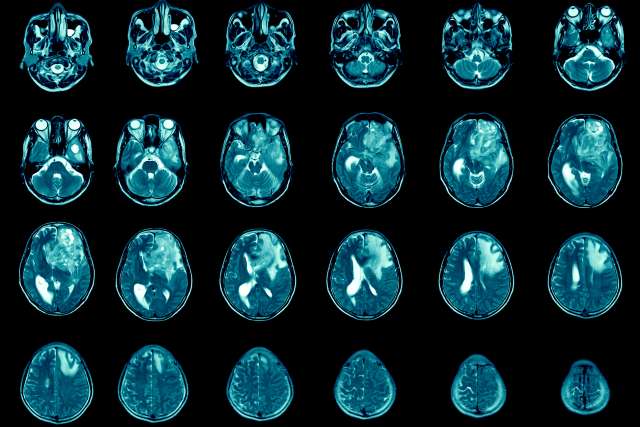
Typically, tumor tissue is collected at diagnosis and, if the cancer returns, during a second surgery. In between, physicians rely largely on imaging scans, which can be difficult to interpret and may not fully capture how a tumor is changing.
At UCLA, Dr. Cloughesy and his team are leading a project focused on developing new ways to monitor the disease as it evolves, giving physicians earlier insight into how tumors are responding to therapies and how to adjust them.
Tracking tumor changes in real time
The UCLA-led project will combine advanced brain imaging with detailed analysis of tumor tissue samples and blood tests collected throughout treatment to better understand both how treatments directly affect the tumor and how they impact the surrounding environment in the brain
By studying how tumors and the immune system change over time, the researchers hope to build a more dynamic picture of the disease and better understand not just whether a therapy works, but how it works and why it may work for some patients but not others.
“We often see a subset of patients who do very well, while others show little to no benefit, and we still don’t fully understand why,” said David Nathanson, PhD, professor of molecular and medical pharmacology at the David Geffen School of Medicine at UCLA. “This effort is about learning from those differences so we can make better decisions for patients as the disease evolves.”
If researchers can identify biological patterns, known as biomarkers, that distinguish patients who respond well to certain treatments, it could help guide future decisions by matching therapies or clinical trials to those most likely to benefit. This insight could also reduce the need for invasive procedures and allow doctors to make more informed decisions in real time.
A nationwide collaboration
The broader initiative, called the McCain/Bayh Glioblastoma Consortium, brings together experts across disciplines, including neurosurgery, immunotherapy, genomics and data science, to tackle the complexity of glioblastoma from multiple angles.
Each institution is leading a complementary research project:
- Duke University is testing a combination of immunotherapy drugs to better understand how to activate the immune system against glioblastoma and identify which patients are most likely to benefit.
- University of California San Francisco is mapping the genetic makeup of tumors across different regions to understand why some areas respond to treatment while others do not.
- Memorial Sloan Kettering Cancer Center is studying tumor DNA in cerebrospinal fluid to develop less invasive ways to monitor tumor changes and treatment response.
- MD Anderson Cancer Center is investigating how the microbiome may influence how well patients respond to immunotherapy.
“Each of us is looking at a different piece of the puzzle,” said Dr. Cloughesy. “The hope is that each of these pieces eventually will come together and we get this holistic understanding and insight of what’s going on.”
For patients and families facing the disease, that shift could mean more than just new therapies, it could mean faster answers and, ultimately, better outcomes.
“The hope is that by changing the paradigm, we'll get answers faster and we'll be able to adapt based on the data,” Dr. Cloughesy said. “Each piece of information will be meaningful, and every patient involved can make a real difference, not just for them, but for future patients as well.”
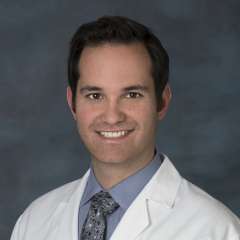
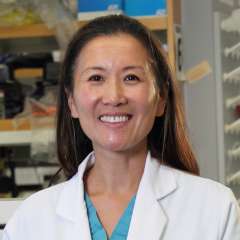
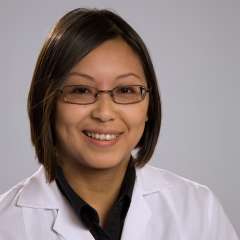
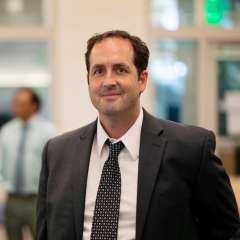
Along with Dr. Cloughesy and Dr. Nathanson, the UCLA team also includes Aparna Bhaduri, PhD; Benjamin Ellingson, PhD; Richard Everson, MD; Linda Liau, MD, PhD; Leia Nghiemphu, MD, PhD; and Robert Prins, PhD.