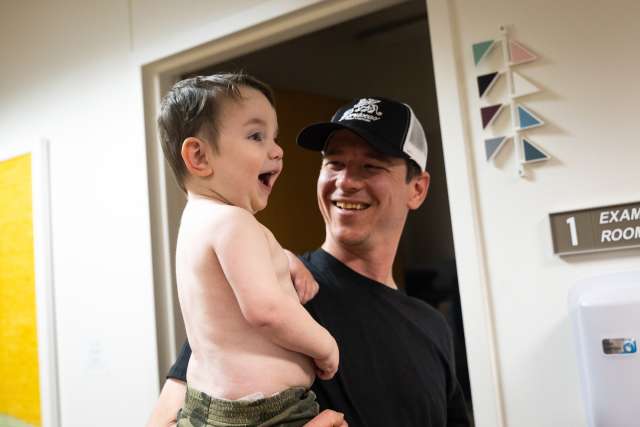
Before their son was even a month old, Karen and Kevin Brutocao faced a monumental choice.
Their baby had a fatal heart condition and they could provide comfort care, or they could begin the grueling process of seeking a heart transplant.
The Northern California couple wanted to do everything possible to save their second-born son. But after deciding on a transplant, top hospitals in their area were unable to take on such a medically complex newborn.
Before they gave up hope, Liam’s Bay Area cardiologist reached out to UCLA Health.
“He said, ‘UCLA thinks outside the box,’” Karen, 36, said. “He really thought we would have a chance to be accepted at UCLA. He was right.”
The family, who live amid the vineyards of Hopland where Kevin works at his family’s winery, headed to Ronald Reagan UCLA Medical Center to begin an uncertain wait for a heart.
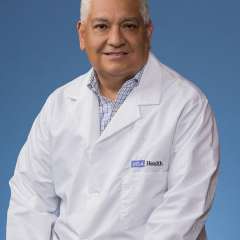
“I tell families the average is about six months but it could be tomorrow or it could be a year and a half or more,” said UCLA Health pediatric cardiologist Juan Alejos, MD, medical director of the Pediatric Heart Transplant and cardiomyopathy program.
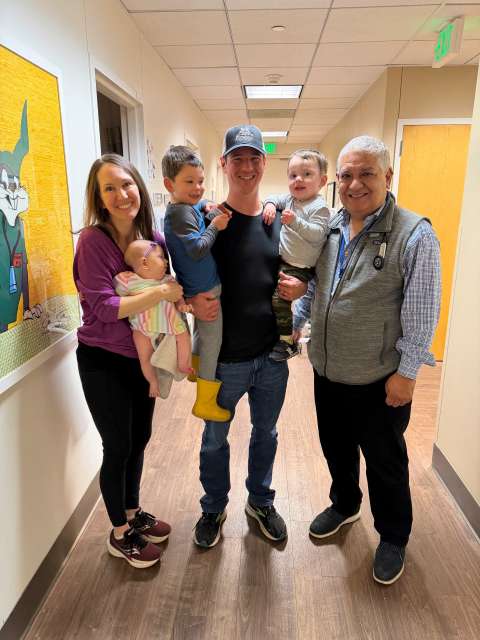
In all, Liam, who is now 2, would wait four months until his successful transplant. Together, his cardiac team and parents kept him going through many unpredictable, precarious moments.
“We’re so grateful and the team there is just so good,” Kevin, 37, said. “They listened to us and worked with us, which I think Liam benefitted from. They were willing to try things that hadn’t been done.”
A surprise at birth
Liam was born in November 2023 weighing more than 9 pounds after a routine pregnancy. Ultrasounds had showed no signs of abnormality in his heart.
But immediately after delivery his heart rate was low and he looked blue.
“I got to see him for just half a second before they started working on him,” Karen said.
Kevin accompanied Liam to the NICU and Karen visited him before he was airlifted to UC San Francisco.
She cried seeing his hands and feet strapped down and tubes covering his face but she did not feel sorry for herself, she said.
“It was absolutely shocking but it was like what do we need to do next, and I feel like that was how we handled his whole course,” Karen said. “For whatever reason, God gave Liam to someone who could handle it.”
Preliminary imaging revealed a very large heart. He was soon diagnosed with hypertrophic cardiomyopathy (HCM). The condition is a thickening of the walls of the left heart chamber that impedes the heart’s ability to pump blood.
In adults, it has been found in elite athletes who have experienced sudden cardiac death during physical exertion. In children, doctors look for a genetic cause, either inherited or from a mutation that occurs randomly. For Liam, genetic testing at the time did not identify a cause.
Dr. Alejos explained that not only can the condition inhibit necessary blood flow to the brain and organs, but the muscle of the heart may not be able to access enough needed blood, leading to abnormal heart rhythms that can be fatal.
“I’ve never seen a case that severe in a baby that young,” Dr. Alejos said. “Even in an adult, it would have been severe.”
Liam needed supplemental oxygen to breathe and at six days old he received a feeding tube for Karen’s pumped breast milk.
Just before Thanksgiving, the Brutocaos were told Liam would not survive without a transplant and that even if he were listed, he might not live.
They were given the choice of how to proceed.
“For the next 24 hours, we debated whether to actually list him or not because we just didn’t know anything about it. We didn’t want to create a terrible life for a child,” Karen said. “Then we decided we have to go for it.”
Dr. Alejos was not involved in that conversation, but he explained that while most families opt to pursue a transplant, their full buy-in is essential. He said that’s for reasons including the scarcity of donor hearts, the extent of care after a transplant and the emotional investment of knowing the transplant won’t be a permanent fix.
“For us, transplant is a parental choice because of the care that is involved,” he said. “A transplanted heart may last 12 to 15 years or may last 20 if all goes well, and then you have to do it all over again.”
A move for Liam
Liam had just turned 1 month old when he was flown to UCLA Health. The family, including Karen’s parents, relocated to Westwood. Big brother James, then 2, finally got to meet him.
In mid-December, Liam was officially listed for a transplant after a medical and psycho-social evaluation to ensure the Brutocaos were a good fit for all the process would entail.
Dr. Alejos had hoped Liam could wait as an outpatient because he was doing so well on the cardiac floor. With him requiring less nursing care, his parents started changing diapers and helping him practice using a bottle.
“For a few weeks there, we were taking care of a baby,” Karen said. “Then he really started showing signs of going downhill, signs of not getting enough oxygen.”
Once he began to decompensate, Liam went on to spend most of his stay in the pediatric intensive care unit, always with a family member by his side. Karen’s mother, Debbie, played an instrumental role by spending nearly every night with him so his parents could rest.
“We were able to be huge participants in his care,” Karen said. “We paid attention to everything and whenever we didn’t know what was going on, we asked.”
When Liam needed blood transfusions at various times, Karen wanted to minimize the risk of potential rejection of a new heart because of antibodies from the donor. For consistency, she meticulously orchestrated timely blood donations from Kevin, Kevin’s brother and both of their mothers.
“I went up the elevator each day like I was going to my job. This job was keeping my son alive,” she said. “As heartbreaking as it was to not take my son home, I think focusing on the job at hand allowed me to stay positive.”
By late December, Liam was intubated so his body would receive enough oxygen as his heart continued to enlarge and press against his lungs.
Liam’s UCLA Health team had always anticipated that while waiting for transplant he would likely need a ventricular assist device (VAD), which is a mechanical pump that can act as a bridge for patients waiting for a heart transplant.
In mid-February, he underwent open heart surgery by cardiac surgeons Ming-Sing Si, MD and Reshma Biniwale, MD, for the placement of the VAD.
In late March, Liam was experiencing heart failure because his heart chambers were getting too thick and the VAD couldn’t work properly.
The only other option was a short-term, last resort, placing him on a heart and lung bypass life-support machine called Extracorporeal Membrane Oxygenation (ECMO).
Dr. Alejos said both the VAD and ECMO were riskier on such a young baby.
“It is hard to try to find ways to bridge them to getting a heart,” Dr. Alejos said. “The things we use as bridges are usually machines and those have a high risk of having devastating complications like strokes and brain bleeds.”
Karen said Dr. Si ingeniously adapted the VAD and ECMO devices to minimize complications and maximize effectiveness in Liam’s hypertrophic heart.
Dr. Alejos said as the team took Liam’s care day by day, they were able to find solutions as new complexities arose.
“There are very few programs that have seen anything like this,” Dr. Alejos said. “It was so unique and so severe at such a young age. The only way for him to get through was going to be with us thinking outside the box and taking risks. You really are going outside of the norm in order to make it work.”
An end to the wait
On April 18, 2024, the Brutocaos answered a 7 a.m. phone call from one of Liam’s cardiologists.
He said UCLA Health had provisionally accepted a heart for Liam, but the team still needed to ensure it was suitable.
“You can imagine it’s like the best feeling in the world to be told they might have a heart for your son,” Karen said. “It was overwhelmingly exciting.”
Liam underwent transplant surgery late in the day led by Drs. Biniwale and Si. Karen remembers her mom crying and hugging Kevin as they saw him off.
“It was just so joyous,” she said. “All three of us had been working so hard to get him to this moment.”
Then it was another wait, although only hours instead of months.
“The waiting in the hospital is the hardest for me,” Karen said. “That was the worst part of the whole thing.”
Before midnight, they received word that surgery had gone well.
“We were told it was a perfect match,” Karen said. “That is pretty much all that we were told. Some other family made a sacrifice and I don’t take that lightly. We pray for them all the time.”
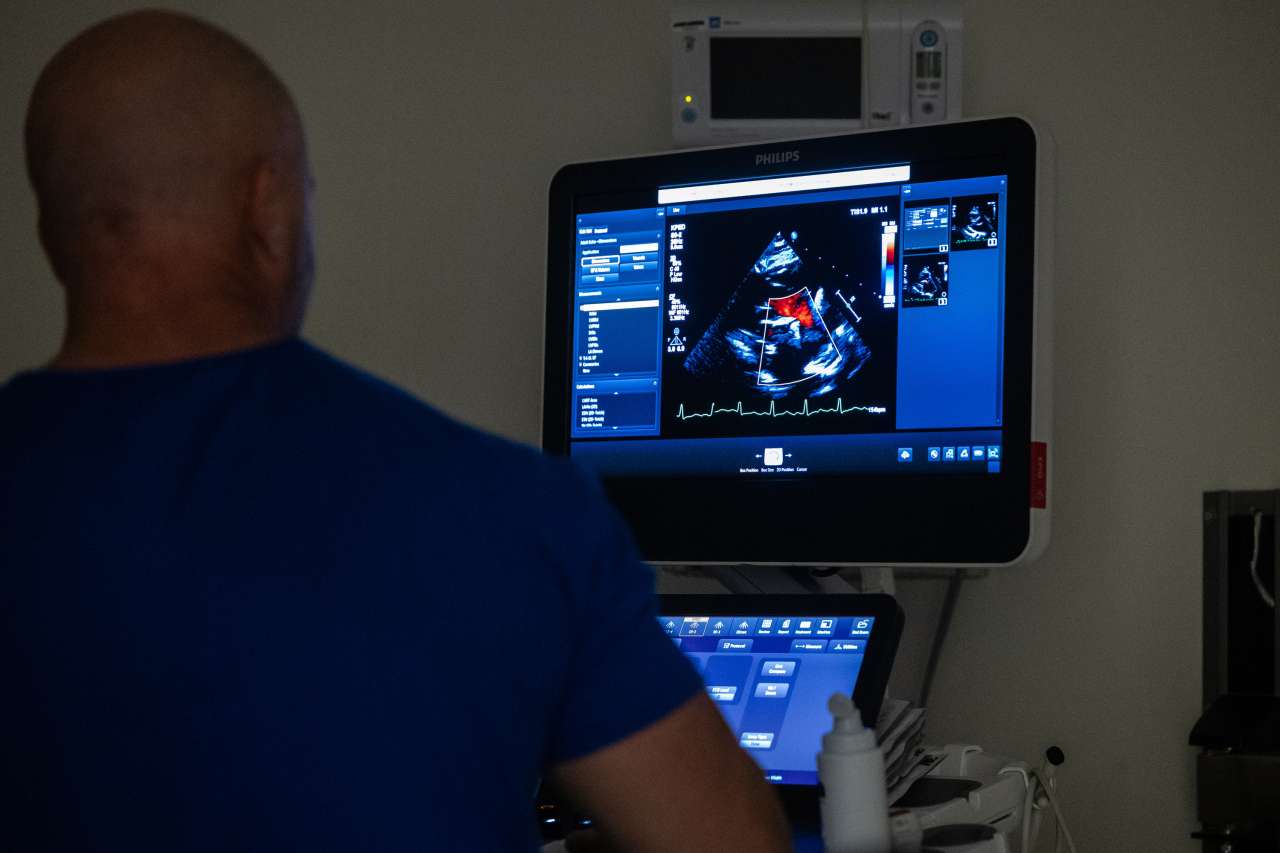
Dr. Alejos said Liam’s enlarged heart weighed 287 grams, which is roughly 10 times what a healthy heart should weigh for a baby his age.
Additionally, when Liam’s old heart was genetically tested, doctors discovered a rare mutation that had affected only the cells in his heart and most likely developed spontaneously during his development in utero.
Dr. Alejos said after a transplant, babies can often spend months in the hospital because they were so sick going in.
“Getting the transplant was great, but we were braced for a long recovery,” Dr. Alejos said. “He flew out of here. He did so well, he surprised us.”
Liam was released to the family’s temporary rental home in May, about five weeks after the transplant.
In August, when Liam was 9 months old, his family finally brought him home to Hopland, which was still stocked with newborn diapers and clothes.
“Getting back to our house was like a scene from a movie that’s been paused,” Kevin said. “Everything was how we left it.”
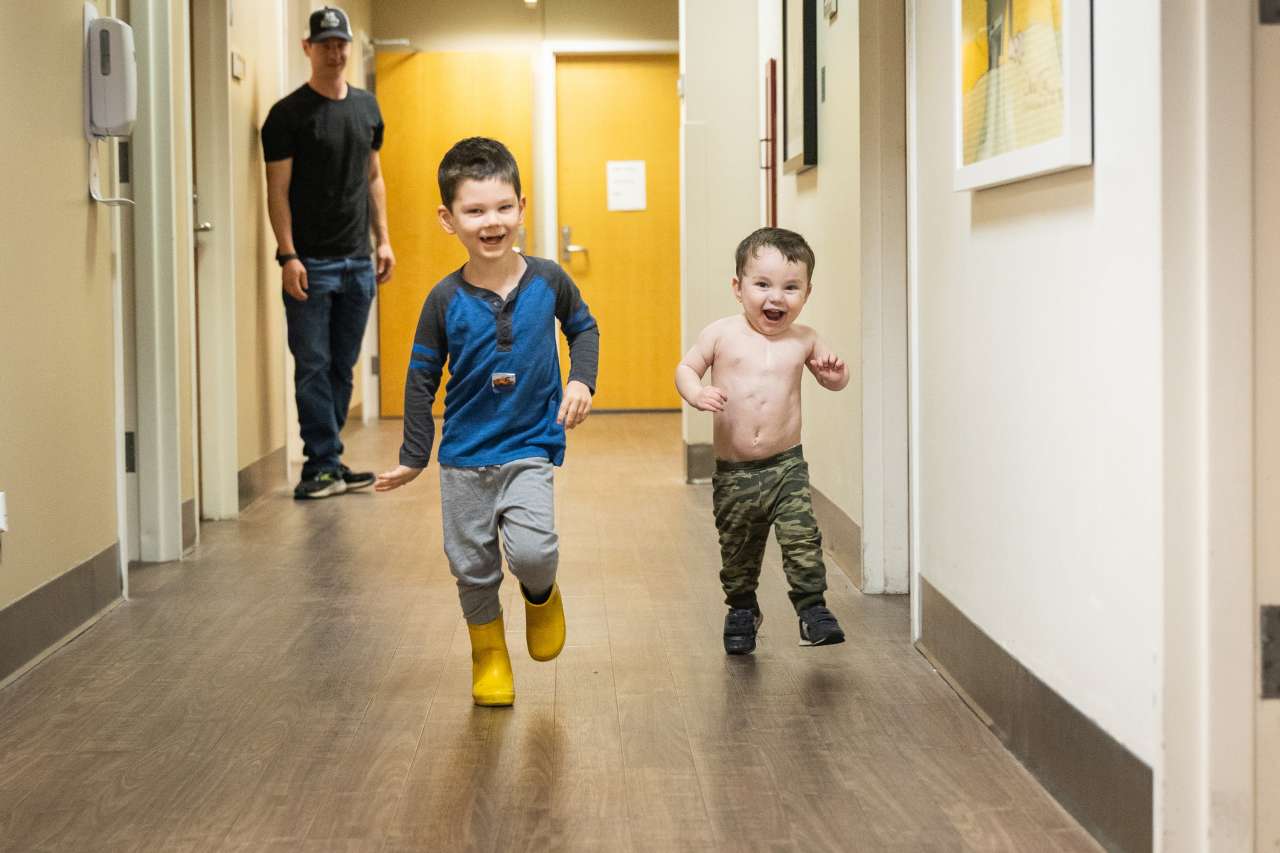
Liam still had a feeding tube and needed many medications administered and others to wean from. At one point, he developed a kidney stone as a side effect of anti-rejection medications.
But compared to when he was fighting for his life, Kevin said any other challenges have felt small.
“You kind of feel like you’ve been through so much, you can do anything,” he said. “I think Liam gave us a lot of great perspective on everything.”
A big brother now
When he was almost 13 months, Liam had the feeding tube removed. Some of his favorite foods include pizza, pasta and roasted broccoli with lemon.
Kevin said Liam is very physical and loves to push heavy objects around the house. He’s talking more, repeating everything and showing off his sense of humor.
“It’s so fun to see Liam’s personality come out,” Kevin said. “He likes to make you laugh and he likes to laugh.”
Karen said he can run and play like any other toddler.
“You wouldn’t be able to tell he had a heart transplant by looking at him except you can see his scars,” she said.
In October, Karen gave birth to a baby girl, Sophia, who was born in the same hospital room as Liam. Liam adores her and wants to hug her every day.
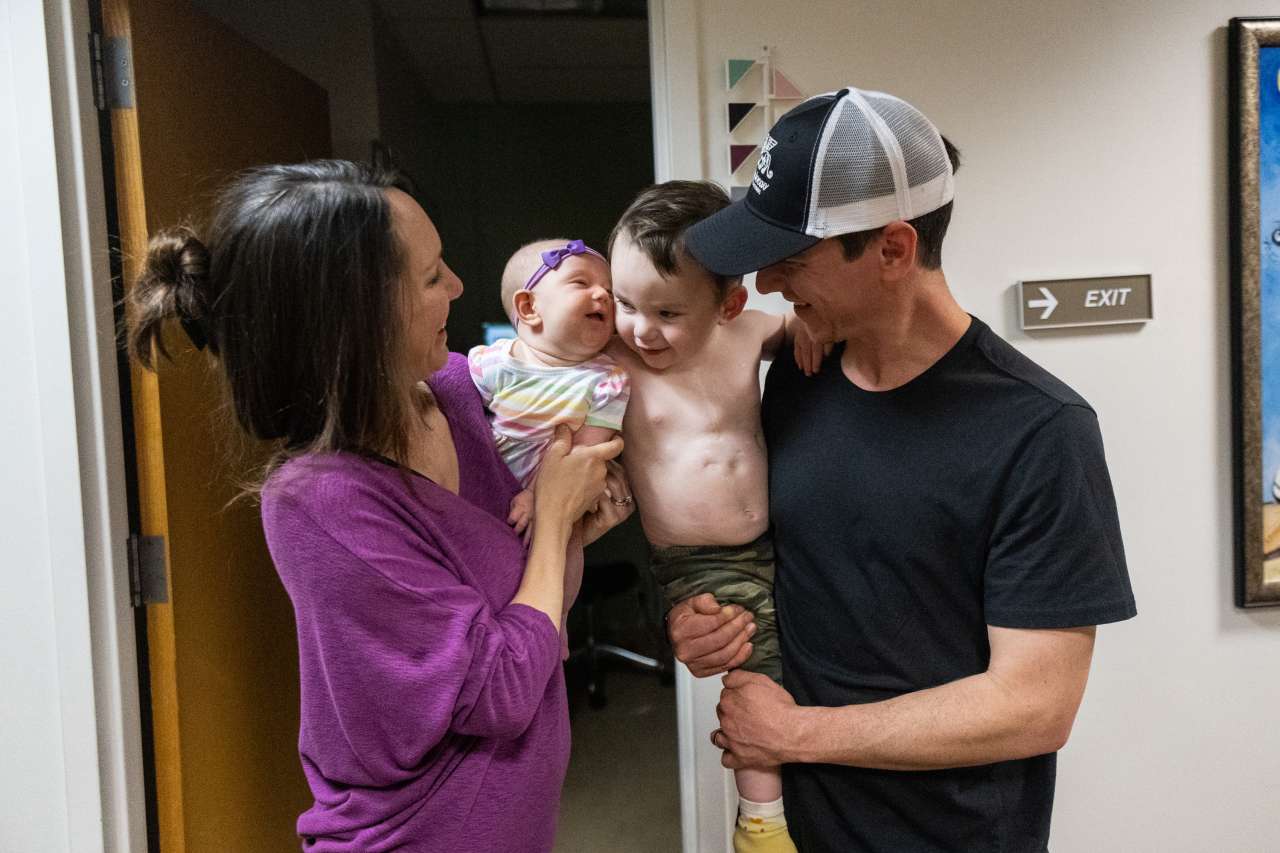
In early February, the family drove to UCLA Health for labs and a checkup. Liam wanted to play hide and seek with James instead of sitting still.
“He’s doing great,” Dr. Alejos said. “It’s a wonderful feeling to see how well he did.”
Karen said she cannot recommend UCLA Health’s pediatric cardiac specialists highly enough.
“I believe they saved my son and gave him a chance when others wouldn’t,” she said. “I feel like UCLA did such a good job treating us like we were part of the team. It was Team Liam and we had the same goal.”