
Research Overview
Research Overview
In our research, we bring an interdisciplinary approach—by combining principles of physical sciences, engineering, materials science, biology, and medicine, and through strong collaborations with basic scientists and physicians—to tackle several rising challenges. Our laboratory works on a diverse area ranging from basic sciences to tools to translatable technologies. A recurring theme in our approach is developing ex vivo platforms (smart biomaterials and miniature organs) with organ/tissue specific properties and employing them to address biomedical questions and gain new fundamental understandings with a focus on health, disease, and aging. Moving forward we test these findings in vivo using clinically relevant animal models. Through a series of “why”, “how”, and “so what’, we have made new discoveries leading to new approaches and technologies. Some examples include the: “bone bandage”, “cell pouch”, “DraBot”, “self-healing hydrogel”, “self-repairing lubricants”, etc. Current research activities in our lab can be broadly divided into four categories:
Smart Biomaterials which includes 3D hydrogel cultures for cells to cell transplantation devices to stimuli-responsive delivery units and active materials.
Miniature Organs which includes organoids and organ-on-chip models.
Rejuvenation which includes healthy healing to age-mediated tissue degeneration and impaired healing to pain.
Bench to Bedside which involves novel therapies and technologies to promote tissue regeneration, treat diseases, and restore organ function.
Research Topics
Smart Biomaterials
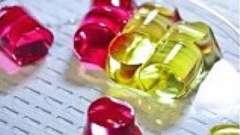
Biomaterials with tissue specific functions and properties are engineered and used to: (i) study cell-matrix interactions in health and diseases; (ii) develop novel devices; (iii) assist with tissue regeneration and deliver biomolecules. Recently we have also extended some of these approaches to design soft-robots and actuators.
Miniature Organs
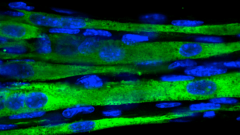
Harnessing the ability of stem cells to promote regeneration of compromised tissues could be of great potential to wound healing, tissue repair, and reinstating the functionality of dysfunctional tissues/organs.
Rejuvenation
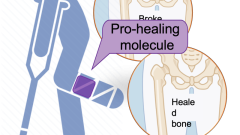
Functional decline of tissues and organs and increased risk of complications are key characteristics of ageing. “Rejuvenating” interventions have been touted as a potential strategy to address age-associated complications and promote “healthy” aging.
Bench to Bedside
We have a strong interest in moving our research findings from the laboratory into the clinic so that they can benefit the public. We are currently working with a number of technologies to: (i) promote fracture healing, (ii) mitigate pain, (iii) treat osteoporotic fractures and bone loss, (iv) treat joint injuries, (v) augment compromised organ function by developing technologies for cell transplantation.