
Climate Action & Resiliency
Climate Action
In 2023, the University of California system updated its Sustainable Practices Policy with a Climate Action Section and replaced the former goal of achieving carbon neutrality by 2025 with a new set of targets and requirements. All campuses and health systems in the UC will reduce greenhouse gas emissions from all scopes 90% by 2045 (from a 2019 baseline) and neutralize any remaining emissions through carbon removal. Locations will also set interim reduction targets for 2030, 2035, and 2040, and update their climate action plans.
UCLA completed a decarbonization study in October 2024 which included Ronald Reagan UCLA Medical Center and on campus UCLA Health facilities. In 2025, UCLA has been in the process of updating its Climate Action Plan – which is inclusive of UCLA Health locations – and is primarily focused on scope 1 emissions.
Climate Resiliency Planning
At UCLA Health, we are committed to integrating an equity-centered approach into our climate resilience planning and through a multi-year effort are aiming to develop a resiliency plan that will –
- Build on the capacity of the health system to protect and improve population and workforce health in an unstable and changing climate;
- Improve health, reduce inequities, and address vulnerabilities for our patient populations, workforce and communities; and
- Enhance preparedness to effectively anticipate, monitor, and manage the risks, emergencies, and environmental drivers of health associated with climate change.
Together, we strive to create a health system that is not only prepared for climate challenges but also fosters equity and inclusivity at its core. Our resiliency planning process has included over 70 multidisciplinary team members and operates under for primary pillars – Clinical Care; Infrastructure and Operations; Workforce Development and Well Being; and Community Engagement and Accountability.
Over the 2024-2025 period, our teams conducted hazard vulnerability assessments and SWOT analyses to identify and prioritize system needs and begin to develop action and implementation components of the plan.
Renewable Electricity Procurement
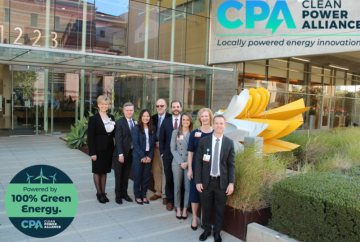
Since May 2019, our Santa Monica hospital campus has been purchasing 100% renewable electricity through the Clean Power Alliance. This program is important because it incentivizes the greening of our grid through community clean energy programs. Several of our UCLA Health locations also participate in the UC Clean Power Program, which manages a portfolio of renewable and carbon-free electricity sources that is delivered to participating campuses by the state’s investor-owned utilities.
Greenhouse Gas Emissions Reporting
To view our Greenhouse Gas Emissions reporting data, visit our Greenhouse Gas Dashboard. UCLA Health has added new hospital locations which are currently in the process of being incorporated into our 2019 baseline data as well as our annual reporting.
In 2025, UCLA Health, as part of UC Health, published a Scope 3 Emissions Inventory Report based on CY 2022 data, and covering 7 Categories of Scope 3 emissions. From this report, UCLA Health aims to pursue key strategies for Scope 3 reductions across the categories inventoried. Some of this work has begun, including conducting analyses of highest contributing supply categories, product packaging, logistics and transportation, as solution pathways for reducing emissions form purchased goods and services.
Climate Council
The Health Care Climate Council is a leadership body of health systems committed to protecting their patients and staff from the health impacts of climate change and becoming anchors for resilient communities. The hospitals within the UC Health System are all members, and UCLA Health participates monthly to drive the transformation to climate-smart healthcare. The council is focused on three pillars for action:
- Mitigation: reducing the carbon footprint of health care delivery and using the leverage of supply chains to drive market transformation to a low-carbon economy.
- Resilience: preparing for the impacts of climate change by building resilient hospitals that serve as anchors for healthy, sustainable communities.
- Leadership: acting as critical messengers for communicating the health impacts of climate change and advocating for climate-smart policies at all levels of government.
For more information, visit the Healthcare Climate Council.