
Multiple Sclerosis
Contact:
Patient scheduling:
Ramona Hernandez
[email protected]
310-794-1195
Patient Coordinator:
Anmol Kaur
[email protected]
310-794-1195
Contact the Multiple Sclerosis (MS) Program Research Coordinator directly:
Noriko Ito, BS, MS
[email protected]
310-206-4640
Giving
Your gift to the UCLA Multiple Sclerosis program makes a difference.
Media Coverage
Select Media in 2025:
Oprah’s Prime Time Special, The New York Times, NBC’s The Today Show, LA Magazine, ABC7 News, BBC Science, The Independent, and Maria Shriver’s Sunday Paper.
"Bedside to Bench to Bedside" Approach
UCLA's MS Program uses a “Bedside to Bench to Bedside” approach. Clinical observations in MS are investigated in UCLA MS faculty labs leading to novel clinical trials in MS, with 6 such MS clinical trials to date.
Current clinical questions that we are addressing include:
- Why do MS disabilities (walking, vision, cognition) differ so much between MS patients?
- Does aging contribute to the transition from relapsing to progressive MS?
- Why are females more susceptible to MS?
- Why do MS men have worse disability progression than women?
- Why is pregnancy protective in MS?
The UCLA MS Program’s “Bedside to Bench to Bedside” strategy has been recognized globally through international and national awards. MS Program Faculty have had funding in grants from the National Institutes of Health (NIH) for the last 25 years, with consistent funding from the Conrad N. Hilton Foundation. Philanthropic donors to the UCLA MS Program make research discoveries possible by providing seed money for early high-risk, high-impact funding, which is then funded by the NIH. Finding neuroprotective treatments to improve disabilities in MS patients is a top priority for the UCLA MS Program.
Mission
To improve the lives of patients suffering from multiple sclerosis and other neurodegenerative diseases.
Overview
The Multiple Sclerosis (MS) Program at UCLA aims to improve the lives of MS patients by developing new therapies for MS and providing expert clinical care. This is accomplished through basic science in neuroscience, genetics, neuroimmunology, neuroendocrinology, neuroimaging, novel therapeutic trials and a full spectrum of clinical care from inpatient to unique outpatient programs. MS patients are seen by dedicated specialists with decades of combined experience and fellowship training in the diagnosis and treatment of this difficult disease. UCLA is a designated MS Comprehensive Care Center.
The Marilyn Hilton Multiple Sclerosis Achievement Center at UCLA
As an adjunct service to the diagnostic, treatment and consultative services provided, UCLA also offers access to this unique center that provides rehabilitative, recreational, and education services in a small group setting. The center, a joint effort of the Conrad N. Hilton Foundation, the National Multiple Sclerosis Society, and the UCLA Department of Neurology, offers a broad continuum of care that complements the medical management of MS.
The Team
A major strength of the UCLA MS Research Program is that it is part of the UCLA Health System. Also, collaborations occur with scientists of extraordinary expertise within the UCLA neuroscience community, focusing this tremendous pool of minds on finding a cure for MS. The UCLA campus has six buildings dedicated to neuroscience, a major focus of the university and an extraordinary resource for the UCLA MS Program.
The Environment
A major strength of the UCLA MS Program is that it is on the UCLA Westwood campus, which has six buildings dedicated to neuroscience. Now that there are over 20 MS treatments that target the immune system in MS, the major unmet need is to find MS treatments that target the brain and spinal cord to halt and repair disabilities. Development of a directly neuroprotective treatment is the major focus of the UCLA MS Program, and UCLA’s neuroscience footprint on the Westwood campus is unparalleled.
Who We Are
Director
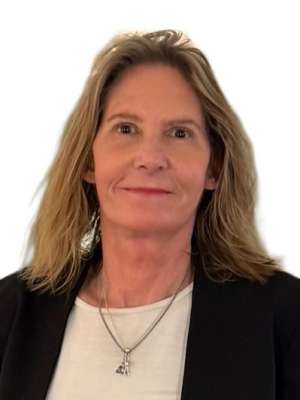
Rhonda Voskuhl, M.D.
Rhonda Voskuhl, M.D. is a Professor of Neurology at the University of California, Los Angeles (UCLA), the Director of the UCLA Multiple Sclerosis Program, and holds the Jack H. Skirball Chair in MS Research. She is the Founding Neurologist for the UCLA Comprehensive Menopause Program and the Inventor for UCLA patents licensed by CleopatraRX for a brain protective menopause hormone treatment selected in Fall of 2025 as the #17 top invention by UCLA in the 21st century. She is the PI of a National Institutes of Health R35 Research Program Award in Neuroscience (2023-2031), one of 10-15 selections per year nationwide in the field of neuroscience. In 2024, Voskuhl received the John Dystel Prize in MS Research from the American Academy of Neurology, the most prestigious global award in the field of MS. In 2023, she was awarded the inaugural Rachel Horne Prize in Women’s Health Research in MS from the European and American Committee for Research and Treatment in MS, in 2019 the Kenneth P. Johnson Keynote Award for the American Committee for Research and Treatment in MS, and in 2018 received the Berlin Institute of Health (BIH) Excellence Award for Sex and Gender Aspects in Health Research. Dr. Voskuhl’s research focuses on the study of sex hormone and sex chromosome effects to discover neuroprotective treatments. Her career was profiled in Lancet Neurology in 2024 and in Biology of Sex Differences in 2026. In the UCLA Neurology Clinic in Westwood, Dr. Voskuhl sees healthy women with cognitive issues of menopause focusing on novel treatment strategies, as well as patients with MS focusing on the initial diagnosis of MS as well as possible changes in MS disease modifying treatments.
Research Faculty
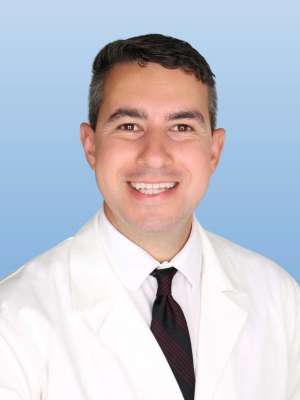
Albert Aboseif, D.O., M.Sc.
Dr. Albert Aboseif is an Assistant Professor of Neurology and neuroimmunologist in the University of California, Los Angeles (UCLA) Department of Neurology. He completed his neurology residency at the Cleveland Clinic, serving as Chief Resident, followed by dual clinical fellowships in Multiple Sclerosis and Autoimmune Neurology at the Mayo Clinic in Rochester, Minnesota. He subsequently completed the Eugene and Marcia Applebaum Multiple Sclerosis Research Fellowship at the Mayo Clinic while earning a Master of Science in Clinical and Translational Science with a concentration in clinical trial design. His research interests include pre-symptomatic and tumefactive forms of multiple sclerosis, immune-mediated cognitive impairment, and predictive biomarkers in autoimmune encephalitis.
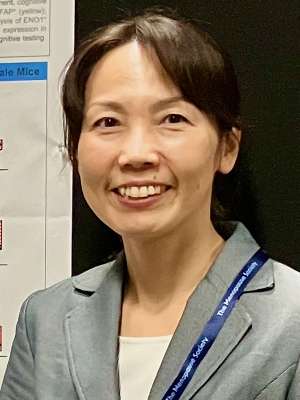
Noriko Itoh, M.S.
Noriko Itoh, M.S., Associate Specialist, Department of Neurology, has expertise in molecular biology, transcriptomics, and neuropathology in models of multiple sclerosis (MS) and neurodegenerative diseases. She established the cell- and region-specific RiboTag transcriptomics platform in the Voskuhl Lab, which enabled the discovery of disability-specific neuroprotective treatment targets in MS. She led studies demonstrating that ovarian hormone loss contributes to cognitive decline and neuropathology during aging and identified astrocytic estrogen receptor beta (ERβ) as a therapeutic target to reverse these changes. Her work has advanced understanding of sex-specific mechanisms underlying MS, menopause-related cognitive decline, and neurodegeneration.
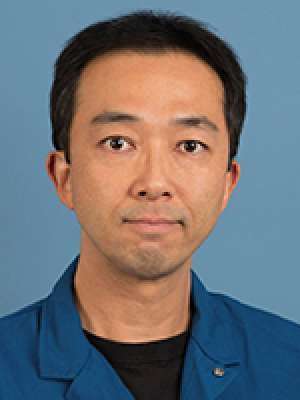
Yuichiro Itoh, Ph.D.
Yuichiro Itoh, PhD, Associate Researcher, Department of Neurology, specialized in genetic analysis and bioinformatics. Dr. Itoh has identified the role of X chromosome genes in the increased susceptibility for women to get MS as compared to men. He also determined gene expression changes in each cell type in the brain in MS patients and the MS model, aiming to discover novel treatments to reverse this abnormal gene expression in the brain in MS.
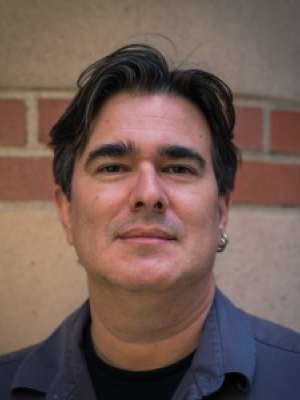
Allan Mackenzie-Graham, Ph.D.
Allan Mackenzie-Graham, PhD, Associate Professor, Department of Neurology, is a neuroimaging expert in MS who is a faculty member in the UCLA Brain Mapping Center. He showed halting of brain atrophy in MS women in the estriol clinical trial and in MS men in the testosterone clinical trial. Dr. Mackenzie-Graham was the first to create a map of brain atrophy for each MS disability. He also showed brain atrophy in the most widely used MS model in the world, creating a tool to screen drugs to halt this atrophy. Most recently he showed more regional brain atrophy in men compared to women with MS, which aligns with worse MS disability in men.
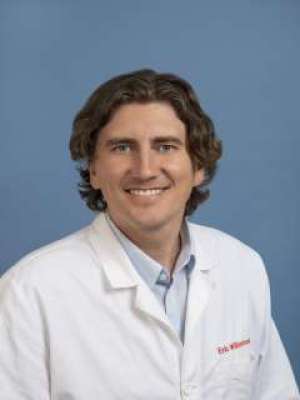
Eric Williamson, M.D.
Eric Williamson, MD, Professor, Department of Neurology, is an expert in MS patient care. In addition to being a mainstay of the UCLA MS Program, he extends UCLA MS expertise to the Westwood Veteran’s Administration (VA) hospital, through a joint appointment. His expertise is in disease modifying treatment management in MS and related neuro-immune diseases.
The unique approach: Bedside to Bench to Bedside
Next Steps – Summary of Projects
Our goal is to harness the tremendous neuroscience expertise at UCLA to find a neuroprotective treatment to repair disabilities in MS and extend this approach to other neurodegenerative diseases. Specific areas include:
- Disability specific treatment discovery in MS, focusing on gene expression in brain areas for walking, cognition and vision, optimizing a treatment for each disability.
- Disability specific brain neuroimaging in MS to be used as sensitive outcomes for disability specific clinical trials.
- Identify X or Y sex chromosome genes that affect neurodegeneration in MS and other neurodegenerative diseases.
- Understand the role of brain aging in the disability worsening in MS and other neurodegenerative diseases, including the effect of menopause in women and andropause in men.
Investing in the future
Education
The UCLA MS Program is training the next generation of MS faculty. This includes post-doctoral fellows (M.D. or Ph.D.), graduate students, and undergraduates, all being trained in MS. Support for trainees for one year can provide time for them to apply for outside funding for three additional years support, thereby amplifying the investment in their future, and in the future of MS.
Clinical MS Patient Care
We have five MS clinicians, which permit MS expert care to be provided to MS patients in the Los Angeles area and beyond, also boosting our clinical research testing new treatments to repair disabilities that are optimally tailored for women and men.
Research
Funds for our projects in their earliest stages transform an idea into a reality.
The Request
The UCLA MS Program owes much of its success to the philanthropic support it has received. Support of highly innovative projects in their infancy requires vision and this support at early, critical moments was central in generating the results needed to capture more traditional funding, exponential expanding the impact of giving. Indeed, without the support of our visionary partners, the award winning accomplishments of the UCLA MS Program would not have been possible.
We request that you partner with us at UCLA in this paradigm shifting approach to find neuroprotective treatments to improve disabilities in MS by giving online today, or for more information, please contact Jessica Vrazilek at [email protected]
Selected Recent Papers
- Itoh, N., Itoh, Y., Patil, R., Till, C., Smith, M., Schwartz, J., Davis, B., Oberman, E., Romeroso, B.D., Voskuhl, R.R., Targeting Hormone Treatment for the Brain in Menopause. Scientific Reports, in press, 2026.
- Itoh, Y., Itoh, N., Wendin, S., Higgins, N., Voskuhl, R.R. Deletion of the X gene, Kdm6a, in microglia of female mice ameliorates neuroinflammation and restores translatome profiles. Science Translational Medicine, Vol. 17 Issue 820 Pages eadq3401; PMID: 41091915, PMCID: PMC12952533, 2025.
- Itoh, N., Itoh, Y., Meyer, C.S., Suen, T., Cortez Delgado, D., Rivera Lomeli, M., Wendin, S., Somepall, S.S., Golden, L., MacKenzie-Graham, A., Voskuhl, R.R. Estrogen receptor beta in astrocytes modulates cognitive function in mid-age female mice. Nature Communications PMCID: PMC105533869, 2023.
- Meyer, C.E., Smith, A.W., Padilla-Requerey A.A., Farkhondeh, V., Itoh, N., Itoh, Y., Gao, J.L., Herbig, P.D., Nguyen, Q., Ngo, K.H., Oberoi, M.R., Siddarth, P., Voskuhl, R.R., MacKenzie-Graham, A. Neuroprotection in cerebral cortex induced by the pregnancy hormone estriol. Laboratory Investigation, 103: 8, 100189, PMID:37245852, 2023.
- Itoh, N., Itoh, Y., Stiles, L., Voskuhl, R.R. Sex differences in the neuronal transcriptome and synaptic mitochondrial function in cerebral cortex of a multiple sclerosis model. Frontiers in Neurology 14:1268411, PMCID: PMC10654219, 2023.
- Voskuhl, R.R., Itoh, Y. The X Factor in Neurodegeneration. Journal of Experimental Medicine, 10.1084/jem.20211488, 2022.
- Voskuhl, R., Kuhle, J., Siddarth, P., Itoh, N., Patel, K., MacKenzie-Graham, A. Decreased neurofilament light chain levels in estriol-treated multiple sclerosis. Annals of Clinical & Translational Neurology, (9)1316-1320, PMC9380170, 2022.