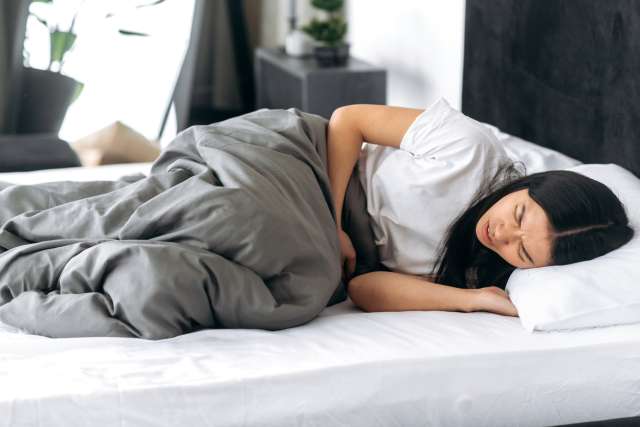
If you, or someone you know, has endometriosis, you’re probably well aware of its most common health effects. Women with the condition typically deal with extremely painful periods, heavy bleeding and abdominal pain even when it’s not that time of the month.
“We know there’s a hormonal connection, particularly related to the fluctuation of estrogen,” says Kathryn Goldrath, MD, an OB/GYN and minimally invasive gynecologic surgeon at UCLA’s Marina del Ray OB/GYN clinic. “For most women, the symptoms seem to correlate with their menstrual cycle and peak around the time of their periods.”
The tricky thing about endometriosis is that it can also cause numerous, seemingly unrelated, health issues. Learn how to spot them and what can help you feel better.
What is endometriosis?
“Endometriosis is a chronic inflammatory disease that often shows up in early adulthood,” says Dr. Goldrath. It develops when endometrial cells, which normally line the uterus, grow outside the uterus.
The rogue cells can show up anywhere in the pelvis, including in the ovaries, fallopian tubes, peritoneum (a membrane that lines the abdomen), rectum and bladder. They can also appear beyond the pelvis, in the lungs, diaphragm and other organs.
There is currently no cure for endometriosis, but treatments can help manage symptoms and keep the disease from progressing.
How endometriosis impacts your reproductive health
The most common symptoms of endometriosis are those related to reproductive health. These often peak right before or during your period.
You may experience:
- Extremely painful menstrual cramps
- Heavy bleeding
- Painful intercourse
Having endometrial cells growing where they don’t belong can also lead to scarring and blockages in the reproductive organs. That’s one of the reasons it can lead to infertility.
Endometriosis and gut issues
Many women see an increase in GI issues around their periods, but for those with endometriosis, the symptoms can be more severe. “It’s not uncommon to have pain with bowel movements, constipation, diarrhea or even blood in your stool,” says Dr. Goldrath.
These symptoms tend to be most severe when endometrial cells spread to the bowel surfaces or even invade the inside of the rectum or bowels. “Women with these types of GI symptoms often go down a frustratingly long road looking for a diagnosis,” says Dr. Goldrath. “They’ll see a GI specialist, have colonoscopies, change their diets, and nothing helps.”
Endometriosis and chronic fatigue
Endometriosis and chronic fatigue syndrome may seem unrelated, but many women suffer from both. “The two conditions are correlated,” says Dr. Goldrath. “It may be that they share a similar inflammatory process.”
In one small study, researchers found that more than a third of women with chronic fatigue had also been diagnosed with endometriosis. Other research has shown that intense fatigue is a common and debilitating symptom of the condition.
Other unexpected ways endometriosis affects your health
The inflammatory aspect of endometriosis may also help explain why women with the condition are at higher risk of heart disease. They often have an increase in risk factors such as high cholesterol and high blood pressure.
When endometrial cells grow in the urinary tract, they can lead to painful urination or difficulty emptying your bladder. Endometriosis can sometimes put enough stress on your pelvic floor muscles that it impacts the bladder muscle, causing an overactive bladder or incontinence.
A significant, but often not talked about, aspect of endometriosis is the toll it can take on mental health. “This is a disease that causes chronic pain, and often, chronic stress from the struggle to get an accurate diagnosis and effective treatment,” says Dr. Goldrath. “It’s very common to see patients with depression, anxiety or eating disorders from living with endometriosis.”
Endometriosis treatments
While there’s no actual cure for endometriosis, the good news is that there are many effective ways to treat it and manage symptoms.
“Because endometriosis can cause a constellation of symptoms, treating it often requires a multipronged approach,” says Dr. Goldrath. “Be patient, though, because it may take some trial and error to find what works for you.”
Some possible treatment options include:
- Acupuncture: Acupuncture has been shown to help relieve pelvic pain associated with endometriosis.
- Dietary changes: Following an anti-inflammatory diet (such as the Mediterranean diet) can help reduce chronic inflammation in the body.
- Hormonal medication: Birth control pills and other medications that suppress ovulation can help with symptoms related to changes in estrogen levels.
- Mindfulness techniques: Working with a GI psychologist can help teach your brain how to better cope with stress and chronic pain to reduce its impact.
- Pelvic floor physical therapy: Muscle tension in the pelvic floor can increase pain. Learning techniques for relaxing those muscles can relieve tension.
- Surgery: Minimally invasive laparoscopic surgery can help doctors find and remove endometrial tissue from other organs.
“The most important thing to remember is that you’re not alone,” says Dr. Goldrath. “Find a doctor who understands the conditions and find a community to support you as you navigate treatment.”