Cancer in adolescents and young adults is rare, accounting for less than 5% of all cancer diagnoses. Yet, the rate of cancer among this population is rising and comes with its own set of unique challenges.
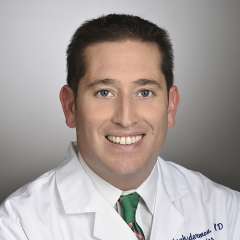
"Cancer is a leading cause of death from disease in the adolescent and young adult (AYA) population, which includes people ages 15 to 39," says Noah Federman, MD, UCLA Health pediatric hematologist-oncologist, director of the Pediatric Bone and Soft Tissue Sarcoma Program and investigator at the UCLA Health Jonsson Comprehensive Cancer Center.
AYA cancers are increasing at a rate of 0.3% each year. While the growth may seem small, it can add up. Some researchers expect the incidence of early-onset cancer to increase by 30% between 2019 and 2030. As a result, the medical community is adjusting its approach to AYA cancer treatment to meet the needs of this unique population.
Dr. Federman addresses common questions about AYA cancer:
Why is cancer in adolescents and young adults increasing?
There are many theories about why early-onset cancer incidence is rising. Screening has become more advanced and commonplace in this age group, and genetic sequencing can help with early diagnoses. But Dr. Federman says those advancements do not entirely account for the increase.
"The truth is that no one knows for sure why early-onset cancers are increasing," Dr. Federman says. "The reason is likely multi-factorial and not dependent on just one thing."
The most likely culprits? Environmental toxins, known carcinogens and lifestyle factors, such as:
- Ionizing radiation from increased exposure to sunlight
- Microplastics, which can lead to the development of cancer cells
- Obesity, which is linked to a variety of cancers
- Smoking and vaping, which involve carcinogens known to cause cancer — and not just lung cancer
"The good news is that our approach to treating early-onset cancer has improved at a high rate," Dr. Federman says. "As a result, the death rates from these cancers are falling at a greater rate than the incidence is climbing."
Which types of cancer are increasing in adolescents and young adults?
AYA cancers can be anything from liquid cancers to solid tumors. The cancer types with the highest prevalence include:
- Breast
- Colorectal
- Leukemia
- Lymphoma
- Melanoma
- Ovarian
- Sarcoma
- Testicular
- Thyroid
"We are also seeing more young people with genetic predispositions to cancer," Dr. Federman says. "There are several genetic germ-line mutations that predispose you to a variety of different cancers."
What are the challenges associated with AYA cancers?
Every cancer diagnosis is different. But the overall survival rates for AYA cancer are high — greater than 85%.
The bigger concern is survivorship. When adolescents and young adults survive cancer, they still have long lives ahead. The effects of cancer treatment can impact their quality of life.
"The focus has always been on curing our patients, but we have to stop and think about what happens after the cure," Dr. Federman says. "Cancer treatments often involve intensive therapies, aggressive surgeries and radiation therapy, all of which can have lifelong effects."
The most common challenges facing adolescents and young adults with cancer include:
- Fertility: Treating cancer at younger ages can impact reproduction. Before undergoing treatment, people with early-onset cancer should consider counseling, egg or sperm preservation, and protection for their reproductive organs.
- Risk of new cancers: Since treatment of early-onset cancer can be aggressive and increase the exposure to carcinogens, cancer specialists are looking for ways to dial back therapy while still achieving good results.
- Emotional health: This population has unique needs for psychosocial support and well-being. Addressing their emotional needs before, during and after treatment is critical.
- Heart disease: Some systemic cancer treatments can increase the risk of heart failure. Newer drugs help to reduce the risk of heart disease caused by cancer treatment.
- Hearing toxicity: One side effect of certain cancer treatments has been hearing loss. Experts are finding ways to combat that issue.
"We are trying to deal with some of these issues before treatment even begins," Dr. Federman says. "The goal of cancer treatment in this age group is to give adolescents and young adults their entire lives back. So, we want to make sure they experience the lowest amount of long-term treatment effects possible."
Dr. Federman adds that advances in understanding and treatment of AYA cancers are largely due to testing performed during clinical trials. However, it has been challenging to enroll enough adolescent and young adult participants.
"Adolescents and young adults diagnosed with cancer should ask their primary oncologist about participation in clinical trials if appropriate," Dr. Federman says. "These trials are critical to address needs specific to this population."
What can adolescents and young adults do to reduce their cancer risk?
Some cancer risk factors, such as genetic predisposition, cannot be avoided. Exposure to environmental toxins is another risk factor that may be beyond your control. But Dr. Federman says there are steps adolescents and young adults can take to reduce their risk of cancer, such as:
- Avoid radiation whenever possible: Talk to your providers about reducing unnecessary imaging.
- Examine your skin: Check your skin for suspicious spots and changes regularly and have your primary care physician (PCP) do a thorough check yearly.
- Get vaccinated: The human papillomavirus (HPV) vaccine can help prevent HPV and cervical cancer.
- Maintain a healthy weight: Get regular exercise and eat a healthy diet.
- Make healthy lifestyle choices: Use sun protection, eat a balanced, plant-forward diet, and avoid alcohol, smoking and vaping.
- Practice personal screening: Perform self-exams as recommended by your PCP and be sure to talk to them about any abnormality you find.
- See your PCP regularly: A medical professional who knows you and your health history can provide personalized guidance for cancer prevention.
- Talk to a genetic counselor: If you or members of your family have known predispositions for cancer, genetic counseling can help you navigate screening and prevention.