After treatment for gynecologic cancer, some women experience sexual side effects or sudden onset of menopausal symptoms that diminish their quality of life.
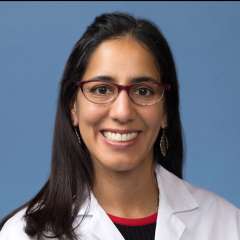
UCLA Health’s innovative Gynecologic Oncology Survivorship Program combines leading-edge research and tailored medical management to bring women relief for an array of concerns, said Ritu Salani, MD, MBA, director of the Division of Gynecologic Oncology at the David Geffen School of Medicine at UCLA.
“It’s easy to just focus on the cancer care for patients, but patients are living longer and they want to live better – and they should,” Dr. Salani said. “Prioritizing survivorship really should be at the forefront of cancer care.”
Umbrella of services
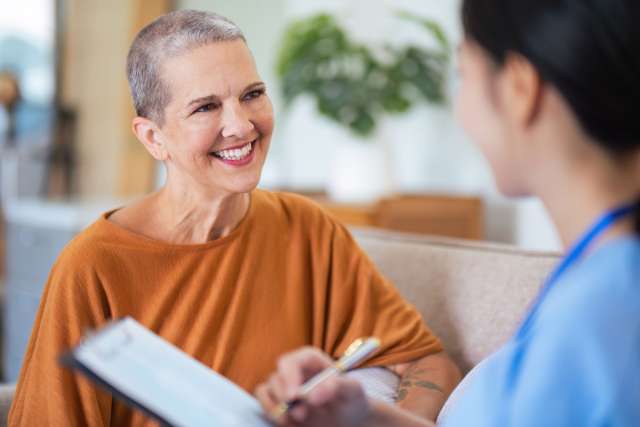
Dr. Salani, who is a member of the UCLA Health Jonsson Comprehensive Cancer Center, said after curative intent treatment, women are offered a survivorship visit to help put their experience in context and prepare for what comes next.
“During their cancer care they are dealing with the mental stress of cancer and the side effects,” she said. “Then there’s this decompression phase. That’s when we can help them understand what they just went through.”
Visits may center on surveillance and early signs of recurrence, symptoms of toxicity from treatment, and overall wellness topics including diet and exercise.
The survivorship program offers high-level supportive cancer care under one umbrella rather than sending patients to multiple doctors, which can be particularly taxing after undergoing treatment.
“When patients have completed cancer care, they still have a lot of needs that often are not typically handled by their cancer care team,” Dr. Salani said. “This can result in a fracturing of their care.”
The program aims to unify their care, providing easier access to symptom management and genetic testing, as well as no-cost counseling services from the Simms/Mann UCLA Center for Integrative Oncology.
For other needs, the survivorship program can quickly connect patients with specialists, such as a neurologist for severe neuropathy.
In addition to addressing medical concerns, the survivorship program offers a range of free programs, including a weekly yoga and meditation class.
One popular event focused on hair care after cancer, featuring a UCLA Health dermatologist and an ovarian cancer survivor who works as a hairstylist in Hollywood.
“Combining our resources can be really empowering,” Dr. Salani said of the partnership between the medical expertise of physicians and the lived experience of patients.
Survivorship and menopause
Dr. Salani said the survivorship team is especially proud of creating a menopause management program for women whose cancer results in sudden menopause from surgery or treatment, often at a younger age. For women who already had menopausal symptoms, cancer treatment can make them worse.
“We’ve created evidence-based best practices, which allows all the practitioners to have those conversations about hormonal therapy, when it’s safe, and alternatives if it’s not desired,” Dr. Salani said.
Treatment does not impact patients’ cancer outcomes, she said.
“We can start implementing treatment for menopausal symptoms at the onset,” she said. “We don’t have to wait until a patient is experiencing difficulty.”
The specialized program tailored to gynecologic cancer is so unique that referrals are coming from outside UCLA Health.
“In the short time we’ve implemented this, patients have noticed a significant improvement in their day-to-day symptoms and quality of life,” she said. “It’s clearly a high need that’s not offered elsewhere.”
Research driven by patient need
In addition to menopause, Dr. Salani said sexual health is another understudied topic in women’s cancer care.
In conjunction with the radiation oncology team, the survivorship team is researching ways to optimize sexual health after radiation among cervical and uterine cancer patients.
Dr. Salani said cervical cancer most typically affects younger women, and sexual health is often an important concern.
“We’re looking at how to maintain vaginal health after radiation, how to support hormone supplementation, if it’s an option, preventing stenosis and managing radiation necrosis,” Dr. Salani said. “It’s been well received by patients.”
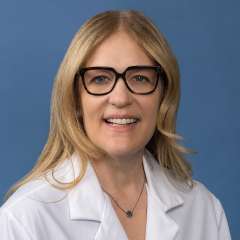
In another research project, Dr. Salani said, gynecologic oncologist Dana Chase, MD, is using artificial intelligence to manage side effects during and after cancer care.
“This will allow patients to have a way of reporting symptoms in real time and help them navigate symptom management in real time,” Dr. Salani said.
Dr. Salani said the survivorship team also has begun exploring potential research into cognitive deficits such as brain fog after cancer treatments.
“It’s high on our radar because it affects so many patients,” she said. “It’s understanding what patients are experiencing, trying things and seeing what works, and developing some research.”
She said it’s important for the survivorship program to continue growing and pursuing areas of patient concern for research and care.
“As some symptoms become better managed, others will emerge,” Dr. Salani said.
Dr. Salani said colleagues around the nation often ask how UCLA Health built such a comprehensive survivorship program.
“One thing we’re proud to do is share it,” she said. “It takes a lot of work and a lot of people who are invested in this.”
Related articles
UCLA OB/GYN global health initiatives spark learning, innovation and training