
Heat Illness Prevention
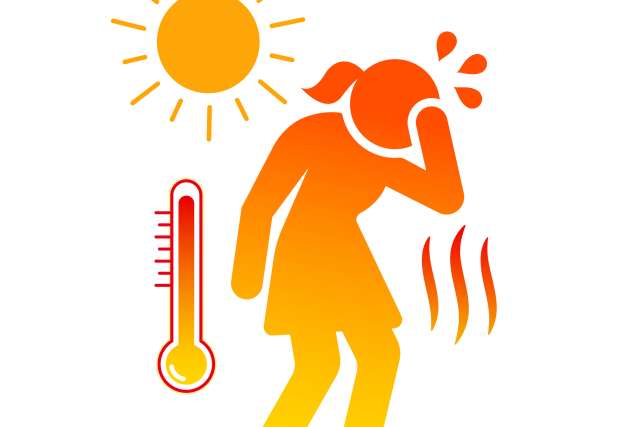
UCLA Health Heat Illness Prevention Program
Heat illness can affect anyone exposed to hot environments, especially during strenuous work or prolonged exposure to heat. The UCLA Health Office of Environmental Health & Safety is committed to helping our workorce recognize the signs and symptoms of heat illness, understand risk factors, and take practical steps to stay safe.
This page provides heat illness prevention education, training, resources, and guidance to help UCLA Health employees prepare for and respond to heat exposure in the workplace. Explore the resources below to learn how to prevent heat illness, recognize when someone may need help, and respond quickly when symptoms occur.

Heat Illness Prevention Education
Learn how to recognize, prevent, and respond to heat illness in the workplace.
Topics include:
• Heat illness risk factors
• Signs and symptoms
• Prevention strategies
• Hydration and rest
• Acclimatization
• Emergency response
UCLA Health Heat Illness Prevention Education
- Go to the Cornerstone portal and login using your UCLA AD credentials.
- Navigate to “My Learning.”
- Search for the course by title: “Heat Illness Prevention Training”.
- Click Launch to start the training.
Know the Signs
Heat illness can progress quickly. Recognizing symptoms early can help prevent a medical emergency.
| Symptom | Signs | Treatment |
|---|---|---|
| Heat Rash | Itching/irritation of the skin from clogged sweat glands. | Keep the affected area dry. Apply powder if necessary to absorb moisture. |
| Heat Cramps | Painful spasms in arms, legs or abdomen. Hot, moist skin. | Drink fluids. Massage cramped areas. Rest in shade. |
| Heat Exhaustion | • Heavy sweating • Intense thirst • Pale and cool skin • Rapid pulse • Fatigue/weakness • Nausea • Headache • Blurred vision |
Move to cool, shaded area. Rest with legs elevated. Loosen clothing. Drink plenty of fluids. |
| Heat Stroke | • Very high body temperature • Lack of sweating • Hot, red, dry skin • Rapid pulse • Fatigue/weakness • Headache • Dizziness • Rapid pulse |
Call 911 immediately. Move to shade. Provide water. Apply cool, wet towels. Use ventilation or fan. |

Prevent Heat Illness
Stay Hydrated
Drink water regularly throughout your work period. Don't wait until you feel thirsty.
Take Appropriate Breaks
Use designated rest or cooling areas and take appropriate breaks when working in hot conditions.
Stay Cool
Use available cooling methods and avoid unnecessary exposure to excessive heat.
Know Your Risk
Certain work activities, environments, PPE, and individual factors can increase the risk of heat illness.
Acclimatize
Employees who are new to working in hot environments or returning after an extended absence may need time to gradually adjust to the heat.
Look Out for Each Other
Know the signs of heat illness and speak up if you or a coworker begins experiencing symptoms.
First Aid for Heat Illness
- Stop
Stop the person's exposure to heat. - Move
Move them to a cooler location. - Cool
Begin appropriate cooling measures. - Assess
Monitor the person's condition and follow applicable emergency procedures. - Get Help
If symptoms are severe or do not improve, call 911 immediately

Resources and Tools
UCLA Health Heat Illness Prevention Plan
Cal/OSHA Heat Illness Prevention Standard: Indoor / Outdoor
Cal/OSHA Heat Illness Prevention Resources
CDC/NIOSH - Heat Stress and Workers
National Weather Service Heat Index
UCLA News: What do we know – and need to know - about extreme heat?
UCLA Health Heat Illness Prevention Poster
UCLA Health Site-Specific Heat Illness Prevention Plan template
Questions? Contact the UCLA Health Office of Environmental Health & Safety at [email protected].