
Hepatobiliary Surgery
Our surgeons offer advanced hepatobiliary surgeries for liver, bile duct and gallbladder conditions.


Why Choose UCLA Health for Hepatobiliary Surgery
Hepatobiliary surgeons at UCLA Health offer advanced surgical care for cancerous (malignant) and noncancerous (benign) conditions that affect your liver, bile ducts and gallbladder. These organs are part of your hepatobiliary system. UCLA Health hepatobiliary surgeons are nationally recognized for their expertise in performing complex and routine procedures with excellent outcomes.
You benefit from:
- Experienced surgeons: Our fellowship-trained hepatobiliary surgeons have deep expertise in performing complex procedures such as liver transplants, liver resections, bile duct surgery and advanced vascular reconstructions of the portal vein, hepatic vein and hepatic artery.
- Full range of surgical options: From open to minimally invasive and combination (hybrid) procedures, we offer a full spectrum of techniques. When possible, our surgeons perform laparoscopic or robotic surgeries through small incisions. These approaches help you heal faster with less pain and scarring.
- Advanced cancer care: Our surgeons and cancer specialists work together to offer presurgical (neoadjuvant) treatments that shrink tumors, making surgical removal less risky. We also offer hepatic artery infusion (HAI) pump chemotherapy. This treatment can improve surgical outcomes for unresectable bile duct cancer and metastatic cancer that spreads to the liver from other parts of the body.
- Help for complex cases: Doctors from across the world refer challenging, difficult-to-treat cases to us. We offer surgical treatments for complex and uncommon conditions, including injuries and cancer of the bile duct, cancer that spreads to the liver from another organ (liver metastases), and tumors involving major blood vessels.
- Seamless transition to liver transplantation: Unlike programs where hepatobiliary and liver transplant surgery are separate, our surgeons perform both. You benefit from a streamlined evaluation, fewer delays and optimal continuity of care — whether you need a liver resection, transplant or both. Patients who need a liver transplant receive expert care at the UCLA Health Liver Transplant Program, one of the nation’s most established and experienced programs.
- Evidence-based treatments: We’re active in the latest research and clinical trials for hepatobiliary diseases. As a patient, you benefit from the latest science-backed treatments and may receive promising new therapies not widely available.
- Easier access to care: You receive coordinated care through the Pfleger Liver Institute and Dumont-UCLA Liver Cancer Center in Los Angeles and our regional hepatology and oncology clinics. We also offer virtual appointments for consultations and follow-up care.
Who Can Benefit From Liver Surgery or Bile Duct Surgery at UCLA Health
You may need hepatobiliary surgery if you have:
- Primary cancer that starts in the liver, bile ducts or gallbladder
- Metastatic cancer that spreads to the liver
- Noncancerous (benign) liver tumors that cause symptoms or concerns
- Complex bile duct disorders, strictures or injuries
- Conditions that occur while waiting for a liver transplant
Your multidisciplinary care team
Our specialists work together to customize a treatment plan for your unique diagnosis and needs. You may receive care from experts in:
Find Your Care
We offer surgeries for all types of liver and bile duct diseases. To learn more, call
310-825-1412.
Conditions We Treat
Hepatobiliary surgery treats a range of conditions that affect your liver, bile ducts and gallbladder. We offer comprehensive surgical care for common and rare conditions.
Primary liver cancer
Primary liver cancer starts in liver cells. Primary liver cancers we treat include:
- Hepatocellular carcinoma (HCC): HCC is the most common type of primary liver cancer. In the U.S., it typically affects people who have liver cirrhosis (scarring) or chronic viral hepatitis B or C. But the disease is on the rise among people who have diabetes, high cholesterol, high blood pressure or steatotic liver disease without cirrhosis.
- Angiosarcoma: This rare cancer begins in cells that line blood vessels in the liver.
- Hepatoblastoma: This rare liver cancer typically affects young children.
Metastatic liver cancer
Metastatic liver cancer occurs when cancer cells from another organ spread to your liver. These cancerous tumors are known as liver metastases. Types include:
- Metastatic colorectal cancer: Colorectal cancer that spreads to your liver is the most common cause of liver metastases. Patients with metastatic colorectal cancer receive specialized care at the UCLA Health Colorectal Cancer Treatment Program. We also have a specialized liver transplant program for patients with colorectal liver metastases that can’t be surgically removed (unresectable).
- Metastatic neuroendocrine tumors (NETs):Gastrointestinal neuroendocrine tumors (NETs) most often start in your small intestine or rectum. Cancer cells from NETs can spread to your liver, causing metastatic liver cancer that may be treated with surgery. Patients with NETs receive specialized care at the UCLA Health NET Program, the largest of its kind in Southern California and the Southwest.
Bile duct cancer (cholangiocarcinoma)
Cholangiocarcinoma is the medical term for bile duct cancer. Bile ducts are small, thin tubes inside and outside your liver. These ducts carry bile (a digestive fluid) from your liver and gallbladder to your small intestine. Bile duct cancers we treat include:
- Intrahepatic cholangiocarcinoma: This cancer type starts in cells that line bile ducts inside your liver.
- Perihilar (hilar) cholangiocarcinoma: This cancer starts in the area just outside your liver, where the common hepatic duct begins. Klatskin tumor is another name for this cancer, which is the most common bile duct cancer.
- Distal cholangiocarcinoma: This bile duct cancer forms where the liver and gallbladder bile ducts join to form the common bile duct.
- Gallbladder cancer: Gallbladder cancer and bile duct cancer are often related. Cancer starts in the gallbladder, which stores bile from the liver.
Noncancerous liver and bile duct conditions
We offer surgical care for these noncancerous liver and bile duct conditions:
- Hepatic hemangioma: A hepatic hemangioma, the most common noncancerous liver tumor, is a tangle of small blood vessels within your liver. It rarely grows or causes problems. You may need surgery if a hemangioma becomes very large or causes symptoms.
- Focal nodular hyperplasia (FNH): FNH is an overgrowth of normal liver cells that form around a central scar. It rarely requires treatment. You may need surgery if the mass grows, causes symptoms or we can’t confidently tell if the tumor is noncancerous or cancerous.
- Hepatic adenoma: This benign liver tumor starts in liver cells called hepatocytes. Hormonal factors can cause hepatic adenomas in people who use oral contraceptives or anabolic steroids. Tumors can also form during pregnancy. Hepatic adenomas can bleed, and in rare instances, become cancerous. You may need surgery if the tumor is larger than 2 inches (5 centimeters), grows over time, causes symptoms or shows signs of becoming cancerous.
- Liver cysts: These fluid-filled sacs rarely cause problems. You may need surgery if a cyst grows large, blocks bile ducts or causes abdominal pain, nausea and other symptoms.
- Polycystic liver disease: This rare, inherited condition causes multiple liver cysts to form. Surgery to remove the cystic part of the liver can help if you have abdominal pain, bloating, shortness of breath and other symptoms. In rare instances, you may need a liver transplant.
- Choledochal cyst: This rare condition is present at birth (congenital) but may not cause symptoms until adulthood. Bile ducts that are too large allow fluid-filled cysts to form. The cysts can cause inflammation in the bile ducts (cholangitis) or pancreas (chronic pancreatitis). In some instances, a choledochal cyst may lead to bile duct cancer.
- Bile duct stricture: A stricture is a narrowing in one of the bile ducts. It blocks the flow of bile from your liver to your intestine. Previous procedures, as well as inflammation, gallstones and tumors, can cause bile duct strictures. You may need treatment if strictures cause jaundice, infections or liver damage. Endoscopic procedures often treat bile duct strictures, but some people need surgery.
Treatments We Offer
We offer a full range of hepatobiliary surgery options, including liver removal, bile duct surgery, advanced vascular reconstruction and liver transplants. Our surgeons perform all types of complex hepatobiliary procedures and are part of a multidisciplinary tumor board. These specialists meet weekly to review cases, ensuring you get the most effective therapies for your unique diagnosis.
When possible, our surgeons perform minimally invasive procedures using scope devices (laparoscopic surgery) and robotic technology. These procedures take place through small cuts in your skin. You heal faster with less pain, blood loss and scarring.
Liver surgery and resection
Liver resection surgery removes part or all of a diseased liver. Hepatectomy is the medical term for liver resection surgery. In some instances, your care team may recommend chemotherapy or another treatment to shrink a tumor before surgery. This approach helps minimize surgical risks.
Liver surgery types include:
Partial hepatectomy
A surgeon removes the portion of the liver with the tumor or diseased tissue. Our surgeons are experts in anatomic and tissue-sparing resections. An anatomic resection removes tumors within the affected liver segment. A tissue-sparing resection preserves as much of the functioning liver as possible.
Liver-sparing surgery
This treatment is for noncancerous liver tumors, small cancerous liver tumors and metastatic liver cancer. It involves removing the tumors and a small amount of surrounding tissue. Your liver regenerates faster with this approach, allowing you to get additional treatments in the future if needed.
Extended hepatectomy
Our surgeons’ transplant-level expertise allows us to safely perform partial and extended resections, as well as other procedures and vascular reconstructions, on tumors located close to veins. This approach expands surgical options for complex cancers.
Liver transplantation
In select cases where surgeons are unable to remove part of the liver, a patient may be able to get a liver transplant. The same surgeons who perform your evaluation and liver resection surgery perform the transplant, ensuring seamless care.
You undergo surgery at one of the country’s most experienced transplant oncology programs. Our surgeons have performed more than 1,000 liver transplants for patients with unresectable liver cancer, bile duct cancer and metastatic disease.
Robotic and laparoscopic liver surgery
Our surgeons use minimally invasive techniques to perform surgery through smaller incisions. This approach minimizes postoperative pain and blood loss, helping you resume daily activities faster.
Blood flow optimization before surgery (liver hypertrophy procedures)
Sometimes, we need to increase the size and function of the remaining part of the liver before surgery to prevent liver failure after surgery. This is often the case for patients with borderline liver function or who need to have a large portion of their liver removed. The advanced surgical techniques we use allow more patients to safely undergo curative surgery and enable us to remove tumors previously considered unresectable.
Liver hypertrophy procedures include:
Portal vein embolization (PVE) or hepatic vein embolization (HVE)
Our skilled interventional radiologists perform these outpatient procedures through a thin tube (catheter) that runs through a blood vessel to your liver. PVE and HVE redirect blood flow into the portion of the liver that remains after surgery. The treatment causes the healthier liver tissue to grow rapidly (hypertrophy), making major liver resection safer.
Approximately five weeks before liver surgery, an interventional radiologist delivers a substance that cuts off blood flow to the diseased part of the liver. Embolization shrinks that part of the liver and helps the healthy tissue grow so that you have a safer, faster postsurgical recovery.
Hepatic artery embolization (HAE)
Our interventional radiologists deliver chemotherapy drugs (transarterial chemoembolization or TACE) or radioactive beads (radioembolization or Y-90) through a catheter into the hepatic artery. HAE may take place in combination with PVE or HVE to shrink tumors and make them easier to remove. HAE also enhances regeneration of the remaining liver segment.
Hepatic artery infusion chemotherapy pump
Hepatic artery infusion (HAI) chemotherapy helps patients with metastatic colorectal liver cancer or unresectable large intrahepatic bile duct cancer. This specialized treatment is available at only a handful of centers nationwide.
First, we surgically implant a pump reservoir under the skin in your abdomen. Then, we connect the pump to the liver through a catheter placed in the hepatic artery, which carries blood to the liver. The pump delivers high-dose chemotherapy directly to the liver, achieving higher drug concentrations than systemic chemotherapy that circulates in your bloodstream. There are also fewer whole-body side effects. HAI chemotherapy can shrink tumors, control disease progression and improve the success of future liver surgeries.
Bile duct surgery
UCLA Health is internationally recognized for expertise in bile duct surgery, including complex resection and reconstruction for bile duct cancer, bile duct injuries and congenital or inflammatory biliary disorders. Our transplant expertise means we have unparalleled experience working on major bile ducts and liver artery branches, allowing for safer, more precise surgery.
Types of bile duct surgery we perform include:
Bile duct resection (removal) and reconstruction
After we surgically remove diseased (strictured) or cancerous bile ducts, we reconstruct the bile ducts to restore normal bile flow. We have deep experience performing these procedures to treat perihilar cholangiocarcinoma.
Bile duct stenting
We surgically place small tubes (stents) inside blocked bile ducts to treat obstructions or leakage. Our surgeons often collaborate with specialists in interventional endoscopy or interventional radiology to perform this procedure.
Biliary bypass surgery
Complex strictures, advanced cancers or other conditions can block bile ducts. When other treatments can’t relieve a bile duct blockage, we create a new pathway for bile to drain into the intestine.
Gallbladder surgery (cholecystectomy)
Surgery to remove the gallbladder (cholecystectomy) can cure gallbladder cancer. If the cancer has spread outside the organ or there’s a high risk of the cancer coming back, your surgeon may perform an extended (radical) cholecystectomy. This surgery removes the gallbladder, nearby lymph nodes and a small part of your liver (partial liver resection).
Pfleger Liver Institute
Meet Our Team
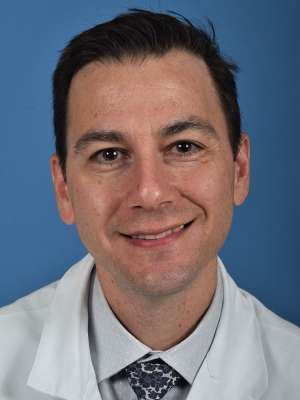
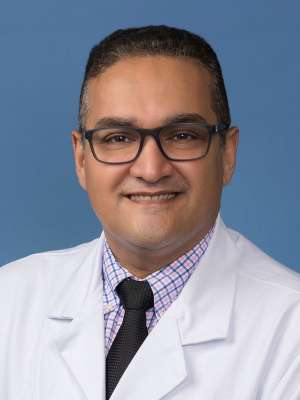
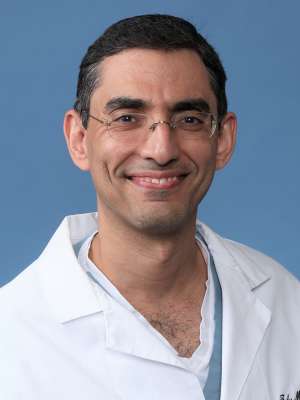
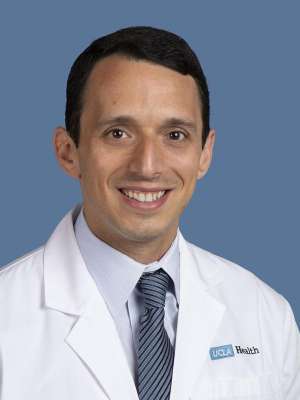
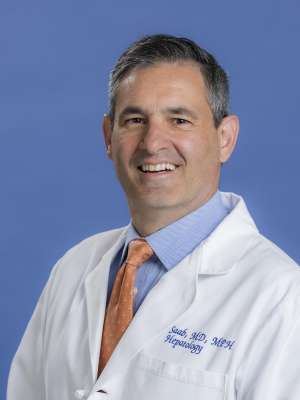
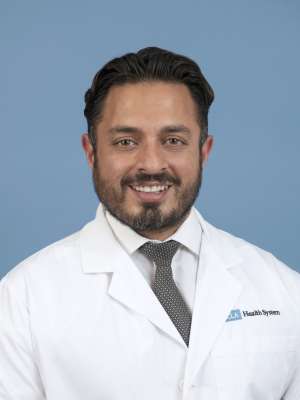
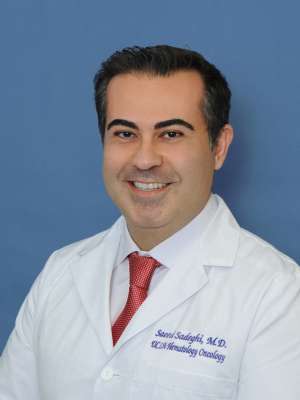
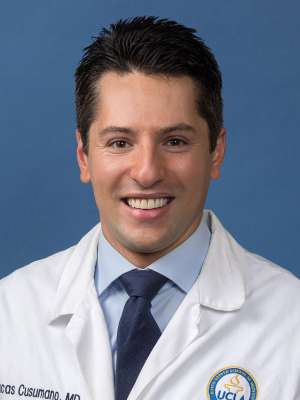
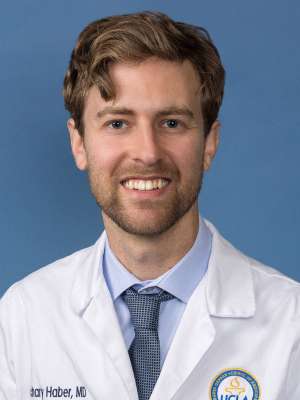
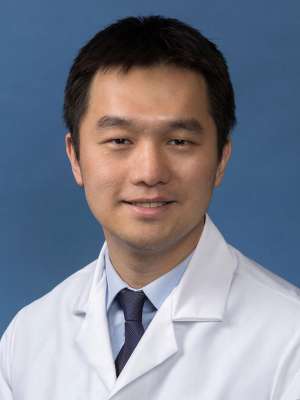
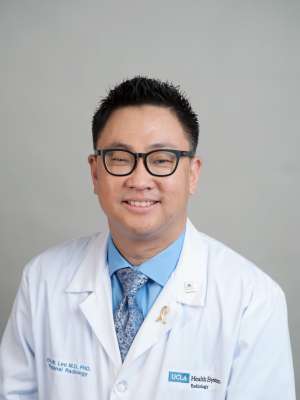
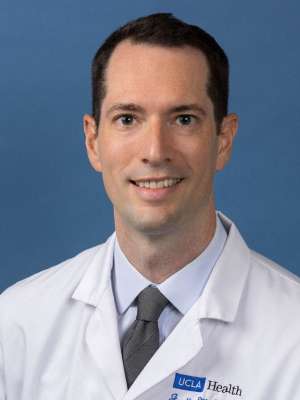
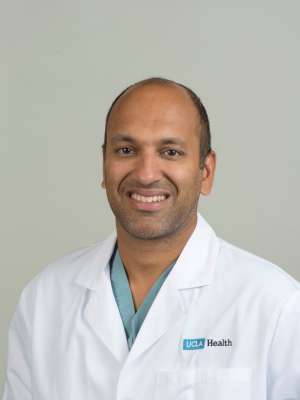
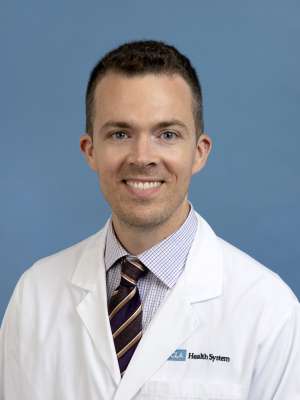
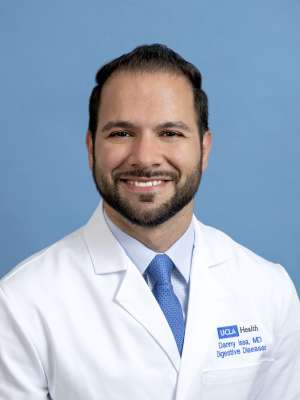
At UCLA Health, you undergo hepatobiliary surgery under the care of board-certified, fellowship-trained surgeons. Our hepatobiliary surgeons are national leaders in minimally invasive techniques, complex vascular and bile duct reconstruction, cancer surgery and liver transplants. We use advanced techniques and robot-assisted approaches to aid recovery and provide you with exceptional surgical outcomes.
Surgeons

Hepatology






Medical Oncology




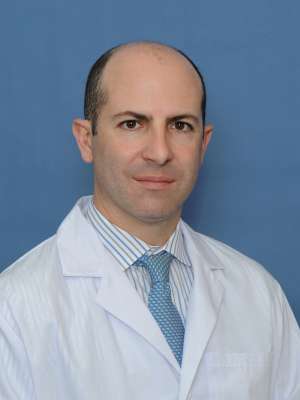
Interventional Radiology






Interventional Endoscopy




Radiation Oncology


GI/Liver Pathology






Contact Us
Call 310-825-1412 to request an appointment with a hepatobiliary expert at UCLA Health.